




Overview of the Agri-Business Consulting Industry in New Zealand
Current Landscape of Agri-Business Consulting
New Zealand’s agri-business consulting sector plays a vital role in the country’s farming innovation.
Firms like GreenFields Advisory and Southern Agri Solutions lead the market with cutting-edge expertise.
Consultants support farmers by offering tailored strategies to improve productivity and sustainability.
Moreover, the industry focuses heavily on integrating technology and data analysis into farm operations.
This approach helps farmers adapt to climate change and evolving market demands efficiently.
Key Services Offered by Agri-Business Consultants
Consultants provide a wide range of services addressing various agricultural challenges.
These services include farm management, market analysis, financial planning, and environmental compliance.
Additionally, experts assist with precision farming techniques to optimize resource usage.
Clients also benefit from supply chain optimization and risk management strategies offered by consultants.
By leveraging specialized knowledge, consultants enable farmers to maximize profitability and sustainability.
Industry Growth Drivers
The agri-business consulting industry grows rapidly due to increased demand for innovative farming methods.
Government incentives and research funding further accelerate sector expansion across New Zealand.
Furthermore, global food security concerns drive the need for smarter, more efficient agriculture practices.
This momentum attracts new talent, fostering a dynamic workforce in the consulting field.
As a result, more young professionals consider agri-business consulting a promising career path.
Personalized Career Consulting
Unlock your potential with expert career advice tailored to your goals. Get personalized guidance and actionable steps toward your dream career in New Zealand.
Get StartedRole of Technology and Innovation
Technology adoption remains a cornerstone of New Zealand’s agri-business consulting industry.
Consultants employ drones, IoT sensors, and AI-driven analytics to enhance farm performance.
Such innovations enable precise monitoring of soil health, crop conditions, and livestock welfare.
Innovative solutions also help reduce waste and environmental impact significantly.
Therefore, consultants continuously update their skills to stay ahead in this fast-evolving sector.
Prominent Companies and Influential Figures
Agri-Biz Partners Ltd. stands out as a leader in sustainable farm consultancy services.
Jane McAllister, a senior consultant there, has pioneered numerous digital transformation initiatives.
Meanwhile, Kiwi Harvest Advisors focus on regenerative agriculture and have earned national recognition.
David Thomson, their chief agronomist, often speaks at industry conferences about resilient farming systems.
Together, these companies and individuals shape the future of New Zealand’s agricultural success.
Key Roles and Responsibilities of Agri-Business Consultants
Advising on Farm Management and Business Strategy
Agri-business consultants guide farmers to improve operational efficiency.
They analyze current farm management practices and suggest enhancements.
Moreover, they help develop long-term business strategies to boost profitability.
Consultants such as Emily Strathmore from GreenFields Advisory specialise in strategic planning.
Transform Your Career with a Professional CV and Cover Letter
Stand out to employers with an ATS-optimized resume and tailored cover letter designed to match your dream role. Let us craft your job application materials for success!
Get StartedAdditionally, they support clients in navigating changing market demands effectively.
Implementing Agricultural Technology and Innovations
Consultants evaluate new technology to increase farm productivity.
They assist in integrating precision agriculture tools and data analytics systems.
For example, Jackson McLean helps farms adopt drone monitoring and soil sensors.
This role requires staying updated on cutting-edge agricultural innovations continuously.
By doing so, consultants drive smarter resource management for sustainable growth.
Financial Planning and Risk Management Support
Agri-business consultants prepare detailed financial forecasts and budgeting advice.
They identify risk factors such as climate variability or market price fluctuations.
Consultants collaborate with agencies like KiwiAg Financial Services to offer tailored solutions.
Effective risk management helps farms reduce losses and stabilize income streams.
Furthermore, they assist with securing funding or investment opportunities when needed.
Facilitating Compliance and Environmental Sustainability
Consultants ensure farms comply with local regulations and environmental standards.
They support implementation of sustainable farming practices to minimize ecological impact.
Helena Carter from Sustainable Agri Solutions provides expert guidance in this area.
Boost Your Career with a Standout LinkedIn Profile
Attract recruiters and expand your network with a fully optimized LinkedIn profile tailored to highlight your strengths and professional goals. Let your profile open doors to new opportunities!
Get OptimizedMoreover, consultants help prepare necessary documentation for regulatory audits.
This responsibility increases farm credibility and fosters community trust over time.
Training and Capacity Building for Farmers and Staff
Agri-business consultants organize workshops to uplift farmers’ technical skills.
They deliver training on best practices, health and safety, and technological tools.
For instance, Thomas Reeve conducts hands-on sessions on crop management techniques.
Such training improves workforce competence and farm productivity concurrently.
Consultants also mentor farm managers to enhance leadership and decision-making abilities.
Emerging Technologies Driving Innovation in NZ Farming
Precision Agriculture Transforming Farm Management
Precision agriculture uses data to optimize farming practices across New Zealand.
Farmers today rely on GPS-guided equipment for accurate planting and fertilising.
Additionally, soil sensors provide real-time insights into moisture and nutrient levels.
Consequently, this technology improves crop yields and reduces waste effectively.
Tech companies like GreenFields Solutions help farmers deploy these advanced tools.
Robotics Enhancing Productivity and Efficiency
Robotic systems automate repetitive tasks in dairy and crop farming sectors.
For example, AgriBot Innovations developed milking robots deployed in Waikato farms.
These robots increase milking efficiency while reducing manual labour needs.
Moreover, autonomous drones monitor crop health and perform targeted spraying safely.
This automation allows farmers to focus on strategic decision-making and farm growth.
Biotechnology Advancing Sustainable Practices
New biotech advancements improve crop resistance to pests and harsh climates.
Companies like Kiwi BioAgri lead research on environmentally friendly crop protection.
These innovations reduce reliance on chemical pesticides and lower environmental impact.
Also, gene editing tools allow faster development of high-quality pasture grasses.
Farmers benefit from stronger, more resilient crops that require fewer inputs.
Digital Platforms Connecting Farmers and Advisors
Digital platforms enable seamless communication between farmers and agri-business consultants.
FarmLink NZ offers cloud-based software for comprehensive farm management reporting.
By using such tools, consultants like Ohara Agri Advisory provide tailored advice faster.
As a result, farmers make informed decisions that boost productivity and sustainability.
Furthermore, these platforms support data-driven strategies that adapt to market changes.
Renewable Energy Technologies Powering Farms
More farms adopt solar and wind energy systems to reduce carbon footprints.
BrightHarvest Energy supplies off-grid solutions tailored to rural New Zealand conditions.
This shift lowers energy costs and promotes environmentally responsible farming.
Alongside this, biogas digesters convert farm waste into valuable energy resources.
Consequently, renewable energy integration supports New Zealand’s green farming future.
Learn More: How Irrigation Specialists Improve NZ’s Water Management in Agriculture
Essential Skills and Qualifications for Aspiring Agri-Business Consultants
Educational Background and Industry Knowledge
A solid educational foundation is crucial for success as an agri-business consultant.
Most consultants hold degrees in agriculture, agribusiness, economics, or related fields.
For example, Emma Richardson earned her degree in agricultural science from Lincoln University.
Furthermore, understanding New Zealand’s unique farming environment adds significant value.
This knowledge enables consultants to tailor strategies to local conditions and trends.
Additionally, staying updated on technological advancements helps improve farm productivity.
Analytical and Problem-Solving Skills
Effective consultants analyze complex data to provide practical solutions.
For instance, Daniel Cooper uses financial models to optimize farm budgets successfully.
Therefore, proficiency in data analysis software is often necessary.
Moreover, creative problem-solving supports innovation in farm management practices.
Consultants must anticipate challenges and develop adaptable strategies quickly.
Communication and Interpersonal Abilities
Clear communication is essential when working with farmers and stakeholders.
Olivia Bennett excels at explaining technical jargon in understandable terms.
Likewise, strong listening skills help consultants identify client needs precisely.
In addition, relationship-building fosters trust and long-term collaboration.
Consultants often coordinate with agricultural suppliers, banks, and government bodies.
Relevant Certifications and Practical Experience
Certifications like the New Zealand Diploma in Agribusiness add professional credibility.
Jack Thomson gained this qualification before joining Greenfields Advisory Services.
Hands-on farm experience enhances understanding of day-to-day challenges.
Internships and field work provide valuable practical insights.
Furthermore, ongoing professional development ensures skills remain current and competitive.
Technical Competence and Digital Literacy
Modern agri-business consultants leverage technology to optimize operations.
Tools like precision agriculture software and remote sensing improve decision-making.
Consultants must be comfortable using farm management systems and apps regularly.
Emma Green, for example, integrates drone data analysis to assess crop health effectively.
Consequently, digital skills differentiate successful consultants in a competitive market.
You Might Also Like: Why Agricultural Technicians Are Vital to NZ’s Farming Innovation
Career Pathways and Progression Opportunities in Agri-Business Consulting
Starting Roles and Skill Development
Agri-business consulting careers often begin with entry-level analyst or advisor positions.
New consultants gain practical skills by working closely with experienced professionals.
Consultants develop expertise in farm management, crop sciences, and agricultural technologies.
For example, Emily Thompson started as a farm systems analyst at GreenPastures Advisory.
Moreover, hands-on fieldwork enhances understanding of real-world farming challenges.
Professionals build strong communication and problem-solving skills at this stage.
Consequently, early career consultants focus on broadening their agricultural and business knowledge.
Advancing to Specialist and Senior Consultant Roles
After a few years, consultants specialize in niche areas like precision agriculture or sustainability.
Jacob Sinclair advanced to a senior consultant role focusing on water resource management.
Senior consultants lead projects and mentor junior staff members effectively.
They frequently collaborate with technology providers and research institutions.
Furthermore, specialists evaluate new farming innovations and recommend tailored solutions.
This phase demands stronger leadership and strategic planning capabilities.
Thus, professionals progress by gaining credibility and expanding their client portfolio.
Leadership and Management Opportunities
Experienced consultants can move into roles such as project managers or consulting directors.
For instance, Laila Ngata oversees multi-disciplinary teams at AgriFuture Solutions.
Managers coordinate complex projects and cultivate high-level client relationships.
They also influence industry best practices and contribute to sector development strategies.
In addition, these roles often involve business development and staff training responsibilities.
Leadership positions require mastery of both agricultural expertise and organizational skills.
Therefore, career progression includes cultivating vision and fostering innovation in the sector.
Entrepreneurial and Consultancy Business Ownership
Some consultants establish their own agri-business advisory firms.
Mark Renwick started TerraVantage Consulting to provide specialized farm innovation services.
Business owners shape market trends and customize client solutions independently.
They build networks with government programs, suppliers, and farming communities.
Running a consultancy demands resilience, adaptability, and strong financial acumen.
Moreover, entrepreneurship allows for personal fulfillment and industry impact.
Hence, this path suits those aspiring to lead change and expand agri-food innovation.
Continuous Learning and Professional Development
Throughout their careers, consultants pursue certifications and participate in workshops.
Agri-tech advancements and regulatory changes require ongoing education.
For example, attending seminars like the New Zealand Farm Innovation Summit is common.
Joining professional bodies, such as the New Zealand Institute of Primary Industry Management, offers networking.
Continuous learning ensures consultants provide up-to-date, effective advice.
It also supports career growth and adaptability in a dynamic sector.
Ultimately, embracing lifelong learning is crucial for successful consultancy careers.
Learn More: How Forestry Managers Sustain NZ’s Woodlands for Future Generations
Impact of Sustainable Practices on Farm Innovation and Consulting
Driving Innovation through Sustainability
Farmers increasingly adopt sustainable practices to improve environmental outcomes.
This shift encourages agri-business consultants like Emma Caldwell to develop innovative solutions.
For example, Emma assists Hawke’s Bay Farms in integrating renewable energy into their operations.
Consequently, this fosters creativity in farming techniques and technology use.
Sustainable practices push consultants to explore precision agriculture and digital monitoring tools.
Enhancing Soil and Water Management
Farming practices that are sustainable focus heavily on improving soil health and water efficiency.
Consultants such as Liam Turner guide farms on crop rotation and organic fertilization methods.
Moreover, they help implement irrigation systems that minimize water waste.
As a result, farms reduce costs while boosting long-term productivity.
Consulting firms like GreenGrowth NZ specialize in these resource management strategies.
Supporting Economic and Community Benefits
Adopting sustainable methods increases farm profitability through efficiency gains.
Consultants like Rachel Ngai work closely with local farmers to identify cost-saving measures.
Additionally, sustainable farms often receive better market access and certifications.
This enhances the reputation of both farmers and consultants in the industry.
Importantly, sustainable practices strengthen rural communities by promoting responsible land use.
Challenges and Opportunities in Consulting
Consultants face challenges in convincing traditional farmers to adopt new methods.
However, they have opportunities to provide tailored advice and hands-on support.
For instance, InnovAgri Consulting offers workshops on sustainable pest management.
Furthermore, digital tools facilitate remote monitoring and decision-making support.
Thus, consultants play a critical role in accelerating sustainable farm innovation growth.
Find Out More: How Foresters Balance Conservation and Industry in New Zealand
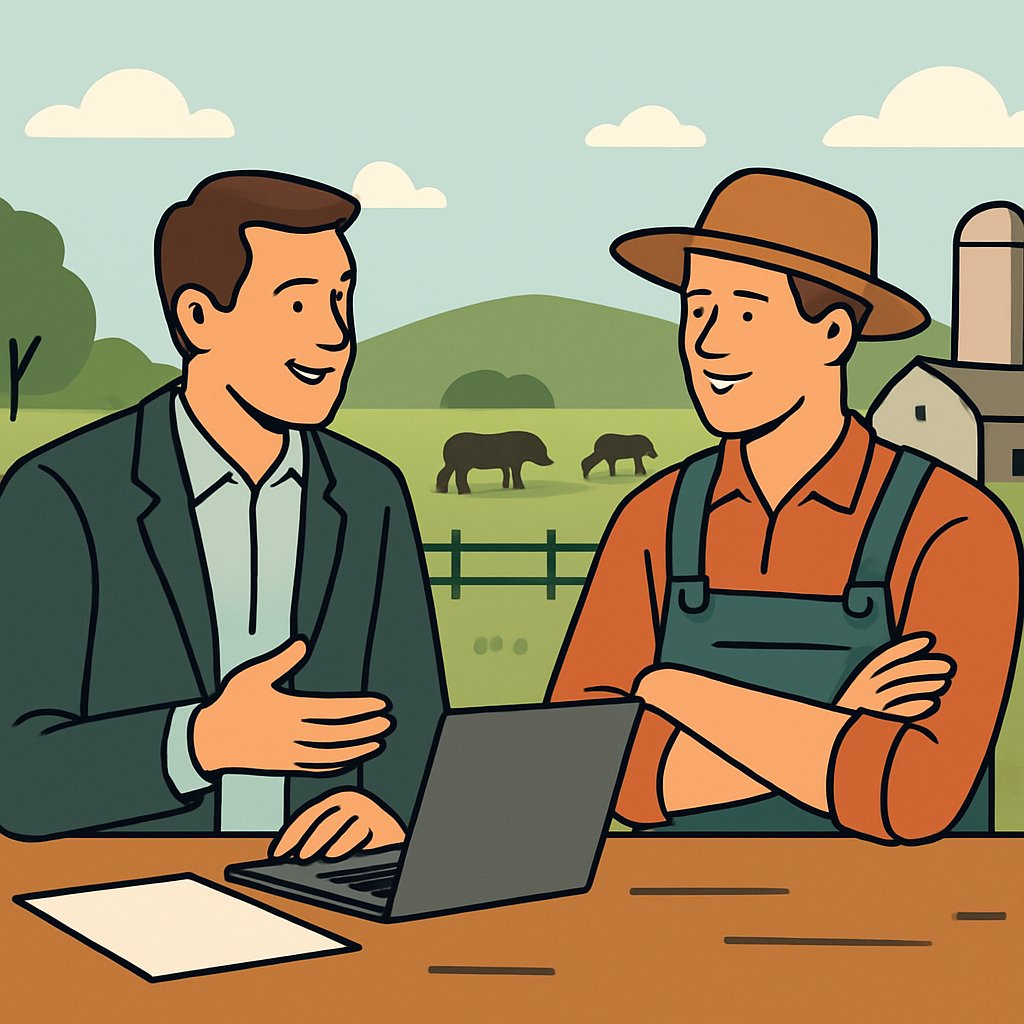
Challenges and Opportunities Facing Agri-Business Consultants in NZ
Adapting to Rapid Technological Changes
Agri-business consultants in New Zealand must stay updated with emerging farm technologies.
They regularly integrate robotics, precision agriculture, and IoT devices into their strategies.
Consequently, staying current requires continuous learning and collaboration with tech developers.
For example, consultants like Emma Riddell help dairy farms implement automated milking systems effectively.
Moreover, this rapid change offers unique opportunities to innovate and increase farm productivity.
Navigating Environmental Regulations and Sustainability
The growing focus on environmental sustainability challenges consultants to advise on responsible practices.
New Zealand imposes strict regulations regarding water use, emissions, and biodiversity conservation.
Therefore, consultants such as Liam Patel guide farms in complying with standards while maintaining profitability.
They also promote regenerative agriculture techniques that improve soil health and carbon sequestration.
In light of these shifts, consultants help farms access sustainability grants and certification programs.
Managing Market Volatility and Global Trade Dynamics
Global market fluctuations significantly impact New Zealand’s agricultural exports.
Consultants like Sarah Ng analyze trade trends to help farmers diversify crops and target emerging markets.
Additionally, they create risk management strategies to mitigate price and supply chain uncertainties.
Consultants assist in navigating trade agreements and biosecurity measures affecting export access.
These efforts enable farms to remain competitive amid shifting international demands.
Building Strong Relationships and Trust with Farmers
Effective communication is vital for consultants advising diverse farming operations.
Consultants such as Jack Thomson invest time to understand each farm’s unique challenges and goals.
Trust-building fosters long-term partnerships, leading to more successful project implementations.
Moreover, consultants facilitate knowledge-sharing workshops to empower farming communities.
These relationships enhance adoption rates of innovative practices and technologies.
Seizing Opportunities Through Digital and Data-Driven Insights
New Zealand’s agri-business consultants increasingly rely on data analytics to optimize farm performance.
For instance, companies like GreenGrowth Consulting use satellite imagery and sensor data for precision planning.
Such insights improve decision-making in irrigation, fertilization, and pest management.
Furthermore, digital tools enable real-time monitoring, reducing risks and costs effectively.
This data-driven approach positions consultants as essential partners in farm innovation and growth.
How Agri-Business Consultants Support Farmers in Improving Productivity
Personalized Farm Assessments
Agri-business consultants begin by conducting thorough farm assessments.
For instance, Katrina Mitchell from GreenFields Consulting visits farms to analyze soil and crop conditions.
They evaluate existing practices and identify areas for improvement.
Moreover, consultants consider local climate and ecological factors affecting productivity.
This personalized approach allows tailored strategies to fit each farm’s unique needs.
Implementation of Innovative Technologies
Consultants introduce innovative technologies that optimize farm productivity.
James Rutherford of AgriTech Solutions helps farmers adopt precision agriculture tools.
These tools enable accurate monitoring of soil nutrients and crop health.
Consequently, farmers reduce waste and enhance yields effectively.
Consultants also recommend automated irrigation and drone surveillance systems to save time and resources.
Financial Planning and Risk Management
Consultants support farmers in creating sound financial plans.
Clara Bennett from Harvest Advisory Ltd. assists farmers in budgeting and investment decisions.
She guides them to maximize returns on farm inputs and technology adoption.
Additionally, consultants help manage risks by advising on insurance and diversification strategies.
Therefore, farmers can sustain productivity even during market fluctuations or adverse weather.
Training and Capacity Building
Agri-business consultants provide continuous training to farmers and staff.
For example, Michael Tanaka of Rural Solutions NZ hosts workshops on best farming practices.
These sessions improve skills in pest management, soil care, and equipment use.
Furthermore, consultants encourage adopting sustainable methods to preserve long-term productivity.
Empowered farmers confidently implement new techniques and technologies.
Building Market Connections
Consultants assist farmers by linking them to profitable markets.
Emily Lawrence from KiwiAg Networks connects producers with local and export buyers.
This connection enables farmers to fetch better prices for their products.
Additionally, consultants advise on product diversification to meet changing consumer demands.
Therefore, farmers improve profitability alongside productivity gains.
The Role of Government Policies and Funding in Agri-Business Careers
Supporting Innovation Through Policy
New Zealand’s government actively fosters innovation in the agri-business sector.
For instance, the Ministry of Primary Industries implements strategies to boost farm productivity.
These policies encourage the adoption of cutting-edge technology on farms nationwide.
Consequently, agri-business consultants find more opportunities to advise on new practices.
Policy frameworks also emphasize sustainable farming methods and environmental responsibility.
As a result, career paths increasingly include expertise in eco-friendly agricultural solutions.
Access to Funding and Grants
The government allocates funds specifically to support agricultural research and development.
Programs such as Primary Growth Partnership channel investments toward innovative farming projects.
These initiatives allow agri-business firms like Rotorua Agri Solutions to expand their consulting services.
Moreover, grants help startups develop smart farming tools and precision agriculture techniques.
Therefore, professionals benefit from more roles requiring knowledge of funded technologies.
Training and Skill Development
Government-backed training programs enhance the skill sets of agri-business consultants.
For example, Mana Learning Institute offers courses funded to teach digital farm management.
Such education equips consultants like Olivia Turner to support farmers more effectively.
Additionally, ongoing workshops keep professionals updated on policy changes and funding opportunities.
Thus, career advancement aligns closely with evolving governmental priorities and support.
Collaborative Partnerships and Networks
Policies promote collaboration among public institutions, private companies, and agri-business experts.
These partnerships improve research outcomes and knowledge sharing in agricultural innovation.
For example, GreenFields Consultancy partners with AgriTech Ventures under government programs.
They jointly develop solutions that boost farmer productivity and sustainability.
Consequently, consultants gain access to broader networks and diverse career pathways.
Networking Opportunities for Agri-Business Consultants
Building Connections with Industry Leaders
Networking plays a vital role in career growth for agri-business consultants.
Attending conferences such as the New Zealand Agritech Expo opens doors to new partnerships.
Consultants like Emma Watson regularly connect with top innovators in the field.
Moreover, regional events organized by AgriGrowth NZ help establish local industry ties.
These connections foster knowledge exchange and new business opportunities.
Utilizing Digital Platforms
In addition to in-person events, digital platforms accelerate networking efforts.
LinkedIn groups dedicated to New Zealand agriculture provide active discussion forums.
Consultants like Liam Te Rangi engage with peers through webinars hosted by FarmForward.
Furthermore, online communities facilitate sharing cutting-edge farming innovations nationwide.
This virtual networking complements physical meetings efficiently and conveniently.
Professional Development for Consultants
Continuous Learning Programs
Professional development ensures consultants stay current with evolving farm technologies.
Institutes such as Manaaki Whenua offer short courses on sustainable land management.
Consultants Sarah Ngatai and Michael Reynolds participate in these to enhance their expertise.
Regular training helps consultants advise clients with confidence and accuracy.
In addition, professional certifications from the New Zealand Institute of Primary Industry sustain credibility.
Mentorship and Skill-Building Workshops
Mentorship programs connect experienced consultants with newcomers to nurture talent.
AgriMentor NZ organizes workshops focusing on communication, data analysis, and farm economics.
Consultants benefit from skill enhancement under guidance from mentors like Rachel King.
Interactive workshops also promote practical problem-solving abilities through real case studies.
Consequently, consultants build both technical skills and client management expertise.
Role of Industry Associations for Agri-Business Consultants
Advocacy and Support Services
Industry associations represent consultants’ interests in policy and regulatory discussions.
The New Zealand Farm Consultancy Association offers legal support and market insights.
Consultants such as Jacob Morrison rely on these resources to navigate compliance challenges.
Associations also provide insurance options and dispute resolution services.
This advocacy strengthens the sector’s professional standards and consultant security.
Access to Industry Insights and Research
Associations grant members access to exclusive reports and agricultural data.
For instance, the Rural Innovation Network publishes trends on precision agriculture regularly.
Consultants use these insights to tailor solutions that improve farm productivity and sustainability.
Furthermore, collaborative projects through these networks spur innovation on a wider scale.
Participation motivates consultants to contribute to New Zealand’s farm advancement actively.
Additional Resources
No relevant external resources were found for this topic at the time of publishing.