




Overview of Irrigation Specialists and Their Role in New Zealand Agriculture
Who Irrigation Specialists Are
Irrigation specialists are professionals focused on efficient water use in agriculture.
They possess expertise in irrigation technologies, systems design, and water management.
For example, Luke Fraser from Clearwater Solutions applies advanced techniques to optimize water delivery.
Moreover, specialists often collaborate with farmers and agribusinesses to tailor irrigation practices.
These experts stay updated on environmental regulations and sustainable water management policies.
Key Responsibilities in Agricultural Water Management
Irrigation specialists assess soil type, crop needs, and climate conditions to recommend irrigation plans.
They design irrigation systems that maximize water efficiency and minimize waste.
Furthermore, they monitor water usage and adjust schedules according to seasonal variations.
Consultants like Emma Reihana at WaiTech assist farms in adopting smart irrigation technologies.
They also train farm workers on proper irrigation techniques and system maintenance.
Impact on New Zealand Agriculture
New Zealand’s agriculture heavily relies on effective irrigation to maintain crop yields.
Therefore, irrigation specialists play a crucial role in sustaining food production and farm profitability.
They help reduce water consumption while improving crop health and soil conservation.
For instance, Farming Innovations Ltd. credits irrigation specialists for lowering water costs by 30%.
Additionally, specialists support compliance with New Zealand’s water-use regulations and environmental targets.
Personalized Career Consulting
Unlock your potential with expert career advice tailored to your goals. Get personalized guidance and actionable steps toward your dream career in New Zealand.
Get StartedCollaboration with Stakeholders
Irrigation specialists work closely with farmers, environmental agencies, and irrigation suppliers.
They promote integrated water management strategies that benefit both agriculture and ecosystems.
Also, specialists engage in community workshops to share knowledge on water sustainability.
Companies like GreenWave Consulting lead initiatives that connect specialist advice with practical farm applications.
Such partnerships ensure irrigation supports New Zealand’s agricultural resilience and environmental stewardship.
Techniques Used by Irrigation Specialists to Optimize Water Usage
Advanced Soil Moisture Monitoring
Irrigation specialists employ advanced soil moisture sensors to track water availability precisely.
These sensors provide real-time data.
This enables accurate irrigation scheduling.
Consequently, farmers avoid overwatering.
They reduce water waste effectively.
Specialists like Rachel Turner from Greenfields Irrigation Solutions advocate for integrating this technology.
Precision Irrigation Systems
They design and implement precision irrigation systems tailored to specific crop needs.
Techniques such as drip and micro-sprinkler irrigation deliver water directly to plant roots.
This targeted approach increases water efficiency substantially.
Transform Your Career with a Professional CV and Cover Letter
Stand out to employers with an ATS-optimized resume and tailored cover letter designed to match your dream role. Let us craft your job application materials for success!
Get StartedMoreover, irrigation consultant Marcus Reed often emphasizes the benefits of these systems on vineyard farms.
Utilizing Weather Data and Forecasting
Irrigation experts analyze weather patterns and forecasts before scheduling water applications.
This approach helps avoid irrigation before rain events.
It conserves water resources.
Technology providers like AquaSmart Analytics offer tools to integrate weather data efficiently.
Automation and Smart Controls
Automation allows irrigation systems to adjust water delivery based on sensor inputs automatically.
Smart controllers regulate irrigation durations according to soil moisture and crop requirements.
As a result, water use becomes more responsive.
This reduces wastefulness.
Specialist companies such as Kiwi AgriTech lead in developing these smart solutions.
Regular System Maintenance and Audits
Irrigation professionals conduct routine maintenance to detect leaks and system inefficiencies.
They perform irrigation audits to evaluate system performance comprehensively.
Timely repairs and adjustments help maintain optimal water application.
Consultants like Emily Lawson from Southern Water Management highlight the importance of these practices.
Boost Your Career with a Standout LinkedIn Profile
Attract recruiters and expand your network with a fully optimized LinkedIn profile tailored to highlight your strengths and professional goals. Let your profile open doors to new opportunities!
Get OptimizedFarmer Education and Customized Training
Experts provide farmers with training on efficient irrigation scheduling and water management.
Customized advice considers farm-specific crop types, soils, and weather conditions.
This knowledge empowers farmers to optimize irrigation independently.
Organizations like the New Zealand Irrigation Association facilitate such educational programs.
Integration of Sustainable Water Practices
Irrigation specialists promote water recycling and the use of renewable water sources.
They encourage adopting water-saving practices such as mulching and cover cropping.
These methods complement irrigation efforts for overall water conservation.
Firms like EcoFarm Solutions incorporate these strategies into their consulting services.
Impact of Efficient Irrigation on Crop Yield and Farm Profitability
Enhancing Crop Yields with Precision Irrigation
Efficient irrigation techniques deliver water directly to crops’ roots.
This targeted approach reduces water wastage significantly.
Consequently, plants receive optimal moisture for growth and development.
Farmers like Megan Collins from Canterbury have observed increased yields using these methods.
Moreover, precision irrigation helps crops withstand dry spells better.
Ultimately, higher yields improve food production consistency across seasons.
Boosting Farm Profitability through Water Savings
Efficient irrigation lowers farmers’ water consumption costs substantially.
Additionally, it reduces energy expenses related to pumping water.
For example, Silver Creek Farms saved thousands in utility bills after upgrading irrigation systems.
Water savings also support sustainable farming practices, appealing to environmentally aware consumers.
Furthermore, decreased water usage decreases resource strain on local water supplies.
Therefore, farms can reinvest savings into other productivity-enhancing technologies.
Supporting Sustainable Agricultural Growth
Efficient irrigation promotes soil health by preventing overwatering and erosion.
Healthy soil sustains crop vigor and long-term agricultural viability.
Farmers such as Emma Wright emphasize how better water management sustains their land.
This approach helps maintain biodiversity by preserving local ecosystems.
In turn, sustainability practices improve farm reputations with buyers and regulators.
Hence, efficient irrigation not only raises profits but also supports future farming success.
Adopting Modern Irrigation Technologies
New tools like soil moisture sensors improve irrigation scheduling accuracy.
Sensors provide real-time data, enabling farmers to water crops only as needed.
Tech companies like Hydrosense NZ offer tailored solutions for regional climatic conditions.
These innovations empower specialists to optimize water delivery efficiently and effectively.
Consequently, farmers achieve better resource management and increased crop productivity.
Investment in such technology leads to measurable improvements in farm profitability.
Uncover the Details: Why Agricultural Technicians Are Vital to NZ’s Farming Innovation
Implementation of Sustainable Water Management Practices
Assessment and Planning
Irrigation specialists begin by assessing farm water needs precisely.
They evaluate soil type, crop requirements, and local climate conditions.
Furthermore, specialists analyze water sources and availability throughout seasons.
Based on data, they develop tailored water management plans for farms.
These plans aim to optimize water use while preserving local ecosystems.
Adoption of Efficient Irrigation Technologies
Modern irrigation systems play a key role in reducing water waste.
Professionals recommend technologies such as drip and microsprinkler irrigation.
These systems deliver water directly to plant roots, enhancing efficiency.
Additionally, many farms implement sensors that monitor soil moisture levels.
Consequently, farmers irrigate only when necessary, preventing overwatering.
Water Recycling and Rainwater Harvesting
Experts encourage the reuse of agricultural runoff and drainage water.
They assist farms in installing treatment solutions to recycle water effectively.
Moreover, rainwater harvesting systems capture precipitation for irrigation use.
These approaches reduce reliance on groundwater and surface water sources.
Ultimately, recycled and harvested water sustains crop growth responsibly.
Training and Farmer Engagement
Irrigation specialists provide hands-on training to farm operators.
They teach techniques that conserve water while maintaining crop yields.
For example, specialists demonstrate scheduling irrigation based on real data.
They also promote continuous monitoring to adjust water use dynamically.
Engaging farmers ensures sustainable practices become routine across New Zealand.
Monitoring and Continuous Improvement
Ongoing evaluation enables specialists to refine water management strategies.
They use data analytics to track irrigation performance and water savings.
Additionally, they recommend system upgrades as technology advances.
Regular feedback loops help farms adapt to changing environmental conditions.
Therefore, sustainable water management remains effective and resilient long term.
Gain More Insights: How Forestry Managers Sustain NZ’s Woodlands for Future Generations
Use of Technology and Data Analytics in Irrigation Planning and Monitoring
Advancements in Irrigation Technology
Irrigation specialists in New Zealand adopt innovative technologies to enhance water management.
They integrate precision irrigation systems that deliver water efficiently to crops.
Smart sensors monitor soil moisture and provide real-time data to farmers.
This technology reduces water waste and promotes sustainable agricultural practices.
For example, Greenfield Irrigation Services uses IoT devices for remote system control.
Consequently, farmers improve water distribution while lowering operational costs.
Role of Data Analytics in Optimizing Irrigation
Data analytics plays a key role in transforming irrigation planning in New Zealand.
Experts analyze historical weather patterns to predict water needs accurately.
Additionally, satellite imagery helps monitor crop health and field conditions precisely.
BrightGrow Technologies employs advanced algorithms to customize irrigation schedules for farms.
Therefore, they enhance crop yield by supplying optimal water amounts at the right time.
Farmers can also detect leaks and inefficiencies early through data-driven monitoring tools.
Benefits of Integrating Technology and Analytics
Combining technology with data analytics yields significant benefits for water management.
It conserves water resources by preventing over-irrigation and runoff.
Additionally, it supports compliance with New Zealand’s environmental regulations effectively.
Furthermore, it strengthens decision-making through actionable insights and automated alerts.
Irrigation specialists like SilverStream Consultants provide tailored solutions using these tools.
As a result, agricultural productivity and sustainability improve simultaneously across regions.
See Related Content: How Foresters Balance Conservation and Industry in New Zealand
Challenges Faced by Irrigation Specialists in New Zealand’s Diverse Climates
Adapting to Regional Climate Variations
New Zealand’s climate varies significantly from region to region.
Irrigation specialists must tailor solutions for each microclimate.
For example, Canterbury experiences dry conditions.
The West Coast remains wet throughout the year.
This contrast requires precise management of water allocation and delivery.
Specialists like Lucas McFarlane at Alpine Irrigation focus on region-specific designs.
They rely on climate data and seasonal forecasts to adjust plans accordingly.
Managing Water Scarcity and Allocation
Water scarcity poses a critical challenge, especially during dry summer months.
Irrigation companies such as Southern Flow Solutions face increasing demand amid limited resources.
They must balance agricultural needs with environmental regulations to prevent overuse.
They coordinate with local councils to secure sustainable water permits.
Careful planning ensures crops receive adequate irrigation without depleting water sources.
Implementing Efficient Irrigation Technologies
Introducing modern irrigation technology in diverse landscapes presents logistical challenges.
Specialists like Emma Sinclair from GreenTech Irrigation advocate for precision irrigation systems.
Rugged terrain and varying soil types complicate installation and maintenance.
Upfront costs and farmer acceptance can hinder widespread adoption.
They train farmers to use technology effectively to maximize water use efficiency.
Addressing Environmental and Sustainability Concerns
Environmental stewardship remains a major focus for irrigation professionals.
They must mitigate runoff, avoid waterlogging, and protect local ecosystems.
For example, Mark Reynolds at EcoWater Solutions integrates buffer zones in irrigation plans.
They promote drip irrigation and soil moisture monitoring to reduce waste.
These measures support sustainable agriculture while preserving New Zealand’s natural resources.
Navigating Regulatory Compliance and Community Expectations
Irrigation specialists operate within complex regulatory frameworks at both regional and national levels.
The Resource Management Act shapes water use policies that they must adhere to.
Companies such as Kiwi Irrigation Experts work closely with authorities to remain compliant.
They engage local communities to address concerns about water allocation fairness.
Building trust and transparency ensures long-term project success amid competing interests.
Delve into the Subject: Agri-Tech Innovation: How Smart Farming is Transforming NZ’s Agriculture
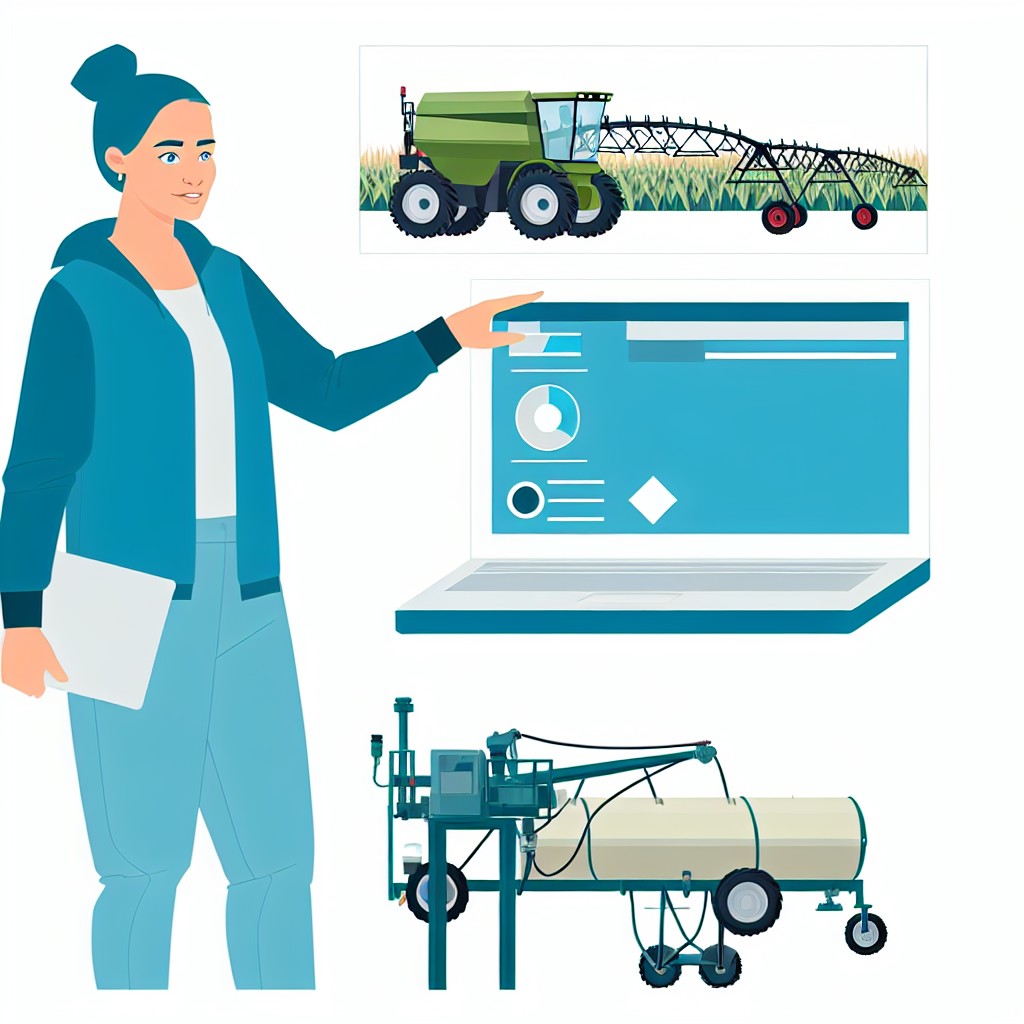
Collaboration between Irrigation Specialists, Farmers, and Policymakers
Building Effective Partnerships
Irrigation specialists actively engage with farmers to understand on-ground water challenges.
They tailor irrigation solutions that suit specific farm conditions and crop requirements.
Farmers provide valuable feedback that helps improve irrigation technologies and practices.
Moreover, specialists organize workshops and field days to share knowledge directly with growers.
These events foster trust and encourage the adoption of efficient water use methods.
Collaboration ensures irrigation systems optimize water use and reduce waste effectively.
Working Closely with Policymakers
Irrigation experts advise policymakers on sustainable water management strategies for agriculture.
They contribute scientific data and practical insights for informed decision-making processes.
Policymakers rely on this input to draft regulations that balance productivity and resource conservation.
Consequently, policies support innovations that increase water use efficiency on farms.
Specialists also help interpret policies for farmers, easing implementation at the grassroots level.
Regular dialogue between all parties promotes adaptive management aligned with environmental goals.
Shared Goals for Water Sustainability
The core goal of this collaboration is to preserve New Zealand’s water resources.
Farmers, specialists, and policymakers jointly aim to reduce water consumption without sacrificing yields.
This alliance encourages integrated water management approaches that promote resilience to climate variability.
They also work to protect freshwater ecosystems affected by agricultural runoff and overuse.
By uniting expertise and experience, they create a sustainable framework for future generations.
Collectively, they demonstrate how coordinated action advances New Zealand’s agricultural and environmental interests.
Contribution of Irrigation Specialists to Environmental Conservation and Water Resource Protection
Promoting Efficient Water Use
Irrigation specialists design systems that reduce water wastage across farms.
They implement technologies like drip irrigation to deliver water precisely to crops.
Consequently, these practices help farmers conserve water and protect local waterways.
Moreover, specialists train farmers to monitor soil moisture and adjust irrigation schedules.
This approach minimizes over-irrigation and reduces runoff that can pollute rivers or lakes.
Protecting Soil and Ecosystem Health
Irrigation experts carefully select watering techniques to prevent soil erosion.
They promote soil conservation by maintaining optimal moisture without waterlogging.
Additionally, specialists advocate for planting cover crops that enhance water retention.
These methods preserve soil fertility and support diverse plant and animal life on farms.
By balancing water use, they help sustain natural habitats adjacent to agricultural lands.
Collaborating with Environmental Agencies
Irrigation specialists regularly work alongside local councils and conservation groups.
Together, they develop water management plans that align with regional environmental goals.
This collaboration ensures that agricultural water use complies with sustainability standards.
Experts also participate in monitoring programs that track water quality and availability.
Such partnerships enable prompt responses to emerging water challenges in farming areas.
Innovating Sustainable Irrigation Practices
Specialists at firms like PureFlow Irrigation implement cutting-edge water-saving technologies.
They introduce sensor-based systems that automate irrigation based on real-time data.
Consequently, farmers reduce water consumption while maintaining crop yields.
Furthermore, irrigation experts research drought-resistant crop varieties to optimize water use.
These innovations contribute significantly to New Zealand’s long-term water sustainability in agriculture.
Training and Career Pathways for Irrigation Specialists in New Zealand
Education Foundations for Aspiring Specialists
Many irrigation specialists begin their journey with a diploma or degree in agricultural engineering.
Others choose horticulture as their educational focus to enter the field.
Institutions like Lincoln University and Massey University offer specialized programs focused on water management.
These programs combine theory with practical skills in irrigation technology and water conservation.
Students learn about soil science, hydrology, and sustainable farming practices essential for irrigation planning.
Consequently, graduates develop a solid groundwork for tackling New Zealand’s unique agricultural challenges.
Industry Training and Certifications
After formal education, irrigation specialists often pursue industry-recognized certifications.
The Irrigation NZ organisation provides valuable professional development courses and qualifications.
Such certifications cover efficient irrigation design, installation, and system maintenance techniques.
Moreover, these courses emphasize compliance with environmental regulations and water resource management laws.
Completing these certifications improves specialists’ credibility and career prospects significantly.
Career Development and Opportunities
Irrigation specialists can work in various roles including system design, consultation, and project management.
For instance, specialists may join companies like AquaFlow Solutions or GreenTech Farming to gain field experience.
Over time, professionals can move into senior positions involving strategic water resource planning.
Additionally, some choose to work with regional councils to support sustainable agriculture policies.
Networking through industry events and irrigation forums enhances career growth and continuous learning.
On-the-Job Learning and Skill Enhancement
Many irrigation specialists develop expertise through hands-on experience on farms and construction sites.
They learn to adapt irrigation systems to diverse crop types and varying climatic conditions.
Experts like David Harper from ClearWater Irrigation highlight the value of mentoring in skill advancement.
Specialists often update their knowledge about emerging technologies like smart irrigation controllers.
This constant learning ensures they provide efficient water use solutions that align with sustainability goals.
Future Trends in Irrigation and Water Management in Agriculture
Advances in Smart Irrigation Technologies
Smart irrigation systems are becoming increasingly popular among New Zealand farmers.
These systems use sensors to monitor soil moisture and crop water needs precisely.
Furthermore, automated controls adjust water delivery based on real-time data.
Consequently, this technology reduces water waste and boosts crop yields effectively.
Local companies like AquaSense Innovations lead development of these solutions.
Integration of Data Analytics and AI
Data analytics play a vital role in modern water management strategies.
They enable farmers to predict irrigation needs by analyzing weather and soil data.
Moreover, artificial intelligence helps optimize water usage dynamically throughout growth cycles.
For instance, Meridian Agri-Tech utilizes AI algorithms tailored for varied New Zealand climates.
This approach improves efficiency while conserving precious water resources nationwide.
Focus on Water Recycling and Reuse
Water recycling technologies gain traction as water scarcity intensifies.
Farmers reuse treated wastewater for irrigation, minimizing dependency on freshwater sources.
Research institutions such as Canterbury Water Institute contribute to advancing these methods.
In addition, on-farm storage systems capture rainwater for later use during dry periods.
Combined, these innovations sustain agricultural productivity despite fluctuating rainfall patterns.
Adoption of Precision Agriculture Practices
Precision agriculture integrates GPS and satellite imagery to enhance water application.
This technique allows farmers to target irrigation only where crops need it most.
Consequently, water use efficiency rises significantly compared to traditional methods.
Numerous vineyards in Marlborough utilize precision irrigation to optimize grape quality.
Ultimately, precision farming supports sustainable resource management across diverse crops.
Growing Emphasis on Climate-Resilient Water Management
Climate change challenges drive demand for resilient irrigation solutions.
Farmers adopt drought-tolerant crops alongside innovative water-saving technologies.
Government programs, including those by EnviroGrow Solutions, promote adaptation measures actively.
Moreover, enhanced forecasting tools help anticipate water shortages ahead of critical periods.
These efforts collectively strengthen New Zealand agriculture’s long-term sustainability.