



Overview of the Role of Agricultural Technicians in New Zealand’s Farming Sector
Supporting Farm Innovation and Productivity
Agricultural technicians play a crucial role in advancing New Zealand’s farming innovation.
They assist farmers in adopting new technologies and modern practices effectively.
Through their work, technicians bridge the gap between research and practical application.
They collect and analyze data to improve crop yields and livestock health.
Moreover, their expertise helps optimize resource use, increasing overall productivity.
Technicians work closely with farm managers to implement tailored solutions.
This collaboration accelerates the adoption of sustainable and efficient methods.
They also monitor environmental impact and help maintain compliance with regulations.
Technical Skills and Diverse Responsibilities
Agricultural technicians possess varied technical skills essential for today’s farming needs.
They conduct soil tests, monitor pest populations, and evaluate crop conditions regularly.
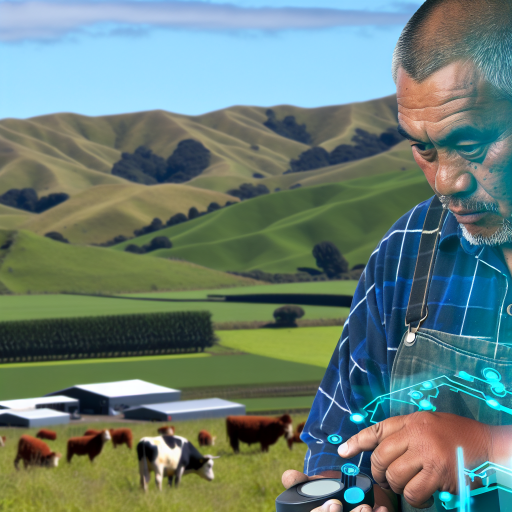
Technicians operate advanced equipment such as drones, sensors, and GPS mapping tools.
These tools enable precise monitoring of farm conditions and decision-making support.
They also assist in livestock management by collecting health and breeding data.
Technicians play a vital role in maintaining farm laboratories and research stations.
Furthermore, they train farm staff on new technologies and safety protocols.
Personalized Career Consulting
Unlock your potential with expert career advice tailored to your goals. Get personalized guidance and actionable steps toward your dream career in New Zealand.
Get StartedFostering Innovation in Research and Development
Agricultural technicians actively contribute to research projects that enhance farming methods.
They work with organizations like AgResearch and Plant & Food Research in New Zealand.
Technicians gather data from experimental plots and trial fields efficiently.
They also test new crop varieties and animal breeds in real-world conditions.
Data collected by them informs scientists and developers about practical challenges.
This cycle of feedback drives continuous innovation tailored to New Zealand’s unique environment.
Additionally, technicians help communicate findings to farmers for practical implementation.
Enhancing Sustainability and Resilience
Technicians play a key part in promoting sustainable farming in New Zealand.
They advise on soil conservation, water management, and reduction of chemical use.
By monitoring environmental indicators, they help farms adapt to climate change impacts.
Technicians support integrated pest management techniques that protect ecosystems.
They contribute to projects enhancing biodiversity on agricultural land.
Their role ensures farms remain resilient and productive under changing conditions.
Ultimately, agricultural technicians help secure the future of New Zealand’s farming sector.
Transform Your Career with a Professional CV and Cover Letter
Stand out to employers with an ATS-optimized resume and tailored cover letter designed to match your dream role. Let us craft your job application materials for success!
Get StartedHow Agricultural Technicians Contribute to the Development and Implementation of Innovative Farming Techniques
Supporting Research and Field Trials
Agricultural technicians actively assist researchers like Dr. Emily Fraser in conducting on-farm experiments.
They set up and monitor field trials that test new crop varieties and fertilisation methods.
By collecting accurate data on soil health and plant growth, they provide essential insights for innovation.
Furthermore, technicians ensure trials comply with environmental and safety standards.
This hands-on support accelerates the development of cutting-edge farming solutions in New Zealand.
Applying Technology on Farms
Technicians such as Liam O’Connor implement precision agriculture tools on commercial farms.
They operate GPS-guided equipment that optimises planting and harvesting efficiency.
Additionally, they manage sensors that monitor crop moisture and nutrient levels in real time.
Through their expertise, technicians translate laboratory innovations into practical applications.
This direct involvement ensures farmers benefit from the latest technologies quickly and effectively.
Collaborating with Farmers and Agribusinesses
Agricultural technicians build strong relationships with farmers like Hannah Mitchell to tailor innovations.
They provide training and troubleshooting support for new machinery and cultivation practices.
Moreover, they collect farmer feedback to refine and improve techniques further.
Technicians also work with companies like GreenLeaf AgriServices to pilot novel solutions in diverse conditions.
Boost Your Career with a Standout LinkedIn Profile
Attract recruiters and expand your network with a fully optimized LinkedIn profile tailored to highlight your strengths and professional goals. Let your profile open doors to new opportunities!
Get OptimizedSuch collaboration bridges the gap between research institutions and farming communities.
Maintaining and Calibrating Equipment
Routine maintenance by technicians ensures instruments and machinery perform at peak efficiency.
They calibrate soil testing kits, drones, and irrigation systems for accurate operation.
Careful upkeep prevents costly downtime and data inaccuracies during critical farming periods.
Consequently, farmers can rely on consistent technological support throughout the season.
These technical skills safeguard the successful adoption of innovative methods on farms.
The Importance of Data Collection and Analysis for Farm Productivity
Role of Agricultural Technicians in Data Gathering
Agricultural technicians actively collect vital data directly from farm environments.
They monitor soil conditions daily.
They monitor crop health daily.
They monitor livestock performance daily.
Technicians use advanced tools like drones to enhance accuracy.
They also use sensors to improve data precision.
This detailed data provides farmers with insights needed to optimize their operations.
For example, Alicia Moreno from Evergreen Agro uses satellite imagery for soil moisture analysis.
Transforming Raw Data into Actionable Insights
Technicians analyze collected data to identify patterns early.
They also detect potential issues promptly.
They employ statistical software for thorough analysis.
Additionally, they apply precision agriculture techniques effectively.
Consequently, this leads to informed decisions about fertilization.
It also improves decisions regarding irrigation.
Moreover, pest control strategies become more effective.
James Carver, a technician at Southern Crop Innovations, improved yields through targeted nutrient recommendations.
Enhancing Farm Productivity through Data-Driven Decisions
Data collection enables farmers to allocate resources efficiently.
This practice helps reduce waste in farming operations.
Technicians’ analyses help optimize planting schedules.
They also advise on effective crop rotations.
Clients of SilverStream Farms reported a 15% increase in productivity after using technician reports.
Thus, agricultural technicians play a pivotal role in driving sustainable farm growth.
Technology Integration in Data Management
Technicians integrate technologies such as IoT devices for real-time monitoring.
They maintain databases that track changes effectively over time.
Furthermore, these technologies allow rapid responses to environmental fluctuations.
Katie Morrison at Horizon AgriTech routinely updates farm management platforms with fresh data.
Collaboration with Farmers and Agronomists
Technicians communicate analyzed data clearly to farmers to support decision-making.
They collaborate with agronomists to develop tailored crop management strategies.
This teamwork ensures that data insights translate into practical on-field improvements.
For instance, Westlake Farms credited their recent productivity gains to this collaborative approach.
Uncover the Details: How Forestry Managers Sustain NZ’s Woodlands for Future Generations
Contribution of Agricultural Technicians to Sustainable and Environmentally Friendly Farming Practices
Implementing Eco-Friendly Techniques
Agricultural technicians play a crucial role in adopting eco-friendly farming methods.
For example, technicians like Emily Harris collaborate with farms to reduce pesticide usage.
They encourage integrated pest management systems to minimize chemical impacts.
Moreover, they assist in implementing crop rotation and cover cropping to enhance soil health.
These practices help maintain biodiversity and prevent soil erosion effectively.
Consequently, they promote long-term sustainability in agricultural production.
Monitoring and Managing Natural Resources
Technicians actively monitor water usage to support efficient irrigation systems.
Jake Thompson recently helped a dairy farm install precision irrigation technology.
This technology reduces water waste while maintaining optimal crop growth.
Additionally, technicians assess soil quality and recommend organic amendments.
They ensure farms comply with environmental regulations and reduce runoff.
Therefore, agricultural technicians safeguard natural resources critical for farming success.
Promoting Innovation in Sustainable Agriculture
Many technicians advocate for new technologies to enhance farming sustainability.
For example, Rachel Lee integrates drone technology to monitor crop health precisely.
This innovation enables early detection of pest outbreaks without excessive chemical use.
Furthermore, technicians support renewable energy adoption like solar-powered equipment.
They provide training to farmers on adopting green energy solutions on-site.
As a result, farms reduce their carbon footprint and operational costs simultaneously.
Enhancing Community and Environmental Education
Technicians often conduct workshops to raise awareness about sustainable farming.
Oliver Bennett organizes community seminars highlighting organic farming benefits.
He demonstrates practical techniques that farmers can apply immediately.
Through education, technicians empower farmers to make informed, eco-friendly choices.
This education fosters a culture of environmental stewardship across farming communities.
Hence, agricultural technicians contribute significantly to both practice and mindset changes.
Discover More: How Foresters Balance Conservation and Industry in New Zealand
The Role of Agricultural Technicians in Supporting Research and Development
Facilitating Field Experiments and Data Collection
Agricultural technicians play a crucial role in conducting field experiments across New Zealand’s farms.
They carefully monitor crop growth, soil conditions, and pest behavior daily.
Additionally, they collect accurate data that researchers analyze to improve farming methods.
Through precise sampling and observation, technicians ensure research findings are reliable.
Moreover, they maintain equipment and experimental setups to guarantee consistency.
Collaborating with Scientists and Industry Experts
Technicians actively collaborate with agronomists, soil scientists, and animal health specialists.
Such teamwork helps translate scientific insights into practical farming applications.
They communicate observations promptly, aiding timely adjustments in research projects.
Furthermore, technicians participate in problem-solving sessions to refine experimental designs.
This collaboration accelerates agricultural innovation by bridging theory and practice effectively.
Supporting Technological Advancements in Agriculture
Agricultural technicians assist in deploying new technologies like drones and soil sensors.
They ensure correct usage and maintenance of these tools during trials on farms.
Consequently, they help farmers adopt innovative solutions that increase productivity.
Technicians also train farm workers to use technology safely and efficiently.
As a result, technology integration in farming becomes smoother and more widespread.
Enhancing Sustainable Farming Practices through Research
Technicians help test eco-friendly pesticides and fertilizers to minimize environmental impact.
They evaluate sustainable irrigation methods aiming to conserve water resources.
In addition, they assist in developing crop varieties resistant to pests and adverse climates.
Through their efforts, sustainable practices become evidence-based and practical for farmers.
Therefore, technicians play a key role in promoting longevity and health of New Zealand’s agriculture.
Uncover the Details: Agri-Tech Innovation: How Smart Farming is Transforming NZ’s Agriculture
Impact of Technological Advancements Facilitated by Agricultural Technicians on NZ’s Agricultural Output
Enhancing Crop Monitoring and Precision Agriculture
Agricultural technicians play a key role in implementing precision agriculture technologies.
They utilize drones and sensors to monitor crop health in real-time.
Consequently, farmers receive accurate data to make timely decisions.
This approach increases crop yields while reducing resource waste.
For example, Olivia Turner at Southern Fields uses sensor data to optimize irrigation schedules.
Improving Livestock Management Through Technology
Technicians introduce automated systems for tracking animal health and behavior.
They install wearable devices that monitor vital signs on farms like Greenridge Pastures.
These innovations allow early detection of diseases and stress in livestock.
As a result, farmers can improve animal welfare and overall productivity.
Mark Evans, an agricultural technician, leads the adoption of smart monitoring at local dairy farms.
Advancing Soil Testing and Fertility Management
Technicians use advanced soil analysis tools to guide fertilization practices.
They collect and analyze soil samples more efficiently than ever before.
This data helps tailor fertilizer application to specific field needs.
Ultimately, this reduces environmental impact and boosts yield quality.
Emily Nguyen supports vineyards in Marlborough by providing precise soil nutrient information.
Supporting Research and Development Initiatives
Agricultural technicians assist research institutions in testing new crop varieties.
They manage field trials coordinated by organizations like the New Zealand Institute of Agricultural Science.
Their expertise ensures accurate data collection and effective technology deployment.
Consequently, innovations reach commercial farms more quickly.
Jacob Barnes recently facilitated a successful trial of drought-resistant wheat varieties in Canterbury.
Promoting Sustainable Farming Practices
Technicians encourage adoption of eco-friendly technologies such as solar-powered irrigation.
They educate farmers on integrating renewable energy and minimizing chemical use.
This leads to more resilient farming systems and long-term sustainability.
At Riverbend Farm, technician Sophie Mitchell helped implement organic pest control methods.
Therefore, agricultural output continues to grow without compromising natural resources.
Gain More Insights: Why Livestock Specialists Are Key to NZ’s Meat and Dairy Industries

Training and Skill Requirements That Enable Agricultural Technicians to Drive Farm Innovation
Comprehensive Educational Background
Agricultural technicians acquire strong foundational knowledge through formal education.
Typically, they complete diplomas or certificates from recognized polytechnics or agricultural institutes.
For instance, institutions like Otago Polytechnic offer courses tailored to evolving farming technologies.
Such education covers plant science, soil science, and agricultural machinery operation.
Moreover, technicians learn data analysis and environmental science principles essential for innovation.
Hands-on Technical Skills Development
Practical training is critical to build the technical skills needed on modern farms.
Agricultural technicians gain experience using precision farming tools and sensor technologies.
Additionally, they learn to operate and maintain drones and automated irrigation systems effectively.
Many complete apprenticeships or internships with companies such as Silver Fern Farms to gain real-world experience.
These placements allow technicians to apply classroom knowledge to practical farm challenges directly.
Continuous Professional Development and Adaptability
Farm innovation requires technicians to remain updated with emerging technologies.
Therefore, ongoing professional development is mandatory for agricultural technicians.
They attend workshops, webinars, and conferences hosted by organizations like AgResearch NZ.
This continuous learning helps them adapt to new methods such as biosecurity measures and sustainable farming.
Furthermore, agile problem-solving skills enable technicians to implement innovative solutions under changing conditions.
Soft Skills Essential for Driving Innovation
Beyond technical abilities, communication plays a vital role in farm innovation.
Agricultural technicians collaborate closely with farmers, agronomists, and scientists.
Effective teamwork ensures smooth integration of new technologies into everyday practices.
Additionally, critical thinking aids technicians in evaluating seeding techniques and pest management strategies.
Leadership skills empower technicians like Sarah Fletcher to champion progressive changes within farming operations.
Use of Data and Technology in Agriculture
Proficiency in data collection and interpretation supports smart decision-making on farms.
Technicians often utilize software for crop monitoring and yield prediction.
For example, GIS mapping and remote sensing technologies provide precise field insights.
These tools enable optimized resource management and enhance production efficiency.
Consequently, agricultural technicians drive innovations that boost sustainability and profitability simultaneously.
Collaboration Enhancing Farm Systems
Partnerships Between Agricultural Technicians and Farmers
Agricultural technicians work closely with farmers to apply innovative techniques on farms.
They share data and observations to optimise crop and livestock management.
Technicians help farmers adopt new technologies that increase efficiency.
This teamwork ensures practical solutions meet real-world farm challenges effectively.
Engagement with Industry Experts
Technicians regularly consult agronomists, soil scientists, and veterinary specialists.
These experts provide advanced insights to improve farm productivity and animal health.
Such collaboration advances best practices in pest control, fertilisation, and breeding.
Consequently, it drives continual improvement across New Zealand’s diverse farming systems.
Facilitating Knowledge Exchange
Technicians organise workshops and field days to connect farmers and experts.
These events encourage sharing of innovations, challenges, and success stories.
As a result, farmers stay up to date on emerging trends and proven methods.
This active communication strengthens the farming community’s ability to innovate.
Technology Integration on Farms
Technicians guide the introduction of precision agriculture tools, like drones and sensors.
They analyse data to recommend adjustments that optimise water use and crop yields.
Furthermore, they train farmers on software for monitoring soil and livestock conditions.
Thus, technology becomes seamlessly embedded in day-to-day farm management.
Shared Goals Driving Sustainable Outcomes
Collaborators focus on improving productivity while protecting environmental resources.
They jointly develop strategies to reduce waste and enhance soil health.
Together, they foster resilience against climate variability and pests.
Ultimately, their partnerships contribute to a sustainable and innovative agricultural sector.
Case Studies of Successful Innovations Led by Agricultural Technicians in New Zealand
Precision Irrigation Systems in Hawke’s Bay
Mark Rangi, an agricultural technician, developed a precision irrigation system in Hawke’s Bay.
He used soil moisture sensors to optimize water usage on vineyards and orchards.
This technology significantly reduced water waste and improved crop yields.
Moreover, local growers saw savings in operational costs and better fruit quality.
Mark collaborated closely with vineyard managers to customize the system to their needs.
Ultimately, this innovation positioned the region as a leader in sustainable irrigation farming.
Automated Sheep Health Monitoring in Canterbury
Lisa Chapman pioneered an automated health monitoring system for sheep in Canterbury.
She integrated sensor technology and data analytics to track animal wellbeing in real-time.
Consequently, farmers received early warnings about illnesses and improved flock management.
The system helped reduce livestock losses and enhanced productivity on sheep farms.
Additionally, Lisa worked with local farmers to train them on using the technology effectively.
As a result, this approach gained rapid adoption throughout the South Island.
Sustainable Crop Protection Solutions in Waikato
James Ngatai introduced organic pest control methods on Waikato vegetable farms.
He tested plant-based repellents and beneficial insect releases to replace harmful pesticides.
This method effectively controlled pests without damaging the environment or crops.
Farmers reported healthier soil and increased market demand for organic produce.
James also documented best practices to encourage widespread use across the region.
Hence, his work supported the transition towards more eco-friendly farming systems.
Data-Driven Dairy Farming Innovations in Taranaki
Emily Watson implemented smart monitoring tools in several Taranaki dairy farms.
She utilized wearable technology on cows to measure health and milk production metrics.
Farm managers gained insights to optimize feeding schedules and improve herd performance.
This innovation helped increase milk yield and reduced veterinary costs simultaneously.
Emily collaborated with industry experts to ensure the solution fit local farm conditions.
Therefore, this technology enhanced overall farm efficiency and animal welfare standards.
Collaborative Research Advancing Sustainable Practices
Many agricultural technicians actively collaborate with universities and research institutes.
They play key roles in field trials, data collection, and practical application of findings.
For example, Sarah Ngata partnered with Massey University to study climate-resilient crops.
This cooperation resulted in new varieties that withstand drought and pests better.
Furthermore, technicians help translate scientific innovations into farm-ready solutions.
Such partnerships accelerate adoption of cutting-edge technologies throughout New Zealand.
Future Outlook and Evolving Responsibilities of Agricultural Technicians in NZ’s Farming Innovation
Expanding Roles in Precision Agriculture
Agricultural technicians will increasingly adopt precision agriculture tools.
They will manage advanced sensors, drones, and satellite imaging to monitor crops.
Technicians will analyze data for real-time decision-making on farms.
Their expertise in digital agriculture will become essential for productivity.
Integration of Sustainable Farming Practices
Technicians will guide farmers in implementing sustainable farming techniques.
They will support soil health monitoring and responsible water usage strategies.
They will assist with transitioning to organic and regenerative farming systems.
This role will ensure environmental preservation aligns with economic farm goals.
Embracing Biotechnology and Innovation
Agricultural technicians will work closely with biotech specialists developing new crop varieties.
They will help trial genetically improved seeds suited to New Zealand’s conditions.
They will monitor pest resistance and disease control innovations in the field.
Such involvement will drive cutting-edge solutions to enhance farm resilience and yield.
Enhancing Collaboration and Training
Technicians will increasingly collaborate with researchers, farmers, and agribusinesses.
They will deliver on-site training to upskill farm workers in new agricultural technologies.
They will assist in knowledge exchange programs between regions and sectors.
This collaborative approach will accelerate adoption of innovative farming practices nationwide.
Addressing Climate Change and Farm Resilience
Technicians will play a key role in adapting farms to climate variability and risks.
They will monitor environmental data to support adaptive management strategies.
They will contribute to farm planning that reduces carbon footprints.
Technicians will be vital in creating resilient and climate-smart farming systems.
Additional Resources
AEH Group and VitalEdge Technologies Partner to Implement the e …
Critical Ground – Why Soil is Essential to Canada’s Economic …