





Exploring Tourism Career Pathways
New Zealand tourism offers graduates several pathways across visitor services, hospitality, travel planning, events, marketing, and management.
These pathways help graduates match their interests, strengths, and career goals with suitable tourism roles.
Furthermore, graduates can build communication, planning, customer service, and management abilities through different tourism careers.
Visitor Services
Visitor services roles help people access information and enjoy their tourism experiences.
These positions suit graduates who communicate clearly and enjoy assisting different visitors.
Moreover, the work can develop strong customer service and problem-solving abilities.
Hospitality Opportunities
Hospitality roles support the experiences that visitors receive during their travel.
Graduates can explore work involving guest service, daily operations, and team collaboration.
Additionally, hospitality can help graduates build confidence in fast-moving service environments.
Travel Planning
Travel planning roles focus on organising experiences that meet visitor needs.
Graduates in this pathway can apply organisation, communication, and attention to detail.
Furthermore, travel planning connects visitor interests with suitable tourism options.
Events and Experiences
Events roles involve supporting the planning and delivery of tourism-related activities.
Graduates can contribute through coordination, communication, scheduling, and visitor support.
Consequently, this pathway suits people who enjoy structured projects and collaborative work.
Personalized Career Consulting
Unlock your potential with expert career advice tailored to your goals. Get personalized guidance and actionable steps toward your dream career in New Zealand.
Get StartedTourism Marketing
Marketing roles promote tourism experiences and communicate their value to audiences.
Graduates can use creative thinking, clear writing, and audience awareness in this pathway.
Meanwhile, marketing connects tourism organisations with people considering travel experiences.
Developing a Direction
Graduates can compare tourism pathways according to their interests, abilities, and preferred work activities.
Each option offers different responsibilities and learning opportunities across the tourism sector.
By reviewing these differences, graduates can select a direction with greater confidence.
Matching Strengths with Roles
Graduates should compare each pathway with their interests, abilities, and preferred work activities.
For example, strong interpersonal skills may suit visitor services or hospitality.
Likewise, planning skills may support careers in travel planning or events.
Creative communication may align with tourism marketing.
Building Management Skills
Tourism management offers a broader pathway across different tourism functions.
Graduates can develop skills in coordination, decision-making, communication, and operational support.
Over time, management responsibilities can connect multiple areas within tourism.
Comparing Career Pathways
Each pathway presents different responsibilities and learning opportunities.
Transform Your Career with a Professional CV and Cover Letter
Stand out to employers with an ATS-optimized resume and tailored cover letter designed to match your dream role. Let us craft your job application materials for success!
Get StartedGraduates should consider whether they prefer direct visitor contact, planning, promotion, or coordination.
They should also examine which tasks maintain their interest and encourage professional growth.
By comparing these areas, graduates can choose a tourism direction with greater confidence.
Building a Strong Foundation
Graduates can prepare for tourism opportunities by reviewing their education and relevant abilities.
This preparation helps them present their readiness for professional responsibilities.
Furthermore, a clear foundation allows graduates to connect learning with tourism work.
Relevant Qualifications
Graduates can review their qualifications before pursuing tourism opportunities.
Relevant study can demonstrate knowledge, commitment, and readiness for industry responsibilities.
Additionally, graduates can identify subjects that connect with tourism-related work.
They can also present completed training clearly during applications and interviews.
Applying Academic Knowledge
Graduates can connect academic learning with practical tourism tasks.
For example, they can explain how their studies developed research, communication, or organisational abilities.
Furthermore, graduates can show how their qualifications support professional decision-making.
This approach helps employers understand the value of broader educational experience.
Boost Your Career with a Standout LinkedIn Profile
Attract recruiters and expand your network with a fully optimized LinkedIn profile tailored to highlight your strengths and professional goals. Let your profile open doors to new opportunities!
Get OptimizedTransferring Existing Skills
Graduates can apply abilities from education, employment, and daily responsibilities within tourism settings.
These abilities can strengthen applications when graduates explain them with clear examples.
Moreover, transferable skills can help graduates adjust to varied workplace expectations.
Communication and Collaboration
Clear communication helps graduates interact effectively with different people.
They can demonstrate listening, writing, speaking, and information-sharing skills.
Moreover, graduates can highlight experiences that required cooperation with others.
Teamwork shows their ability to contribute while respecting different perspectives.
Organisation and Problem-Solving
Tourism work requires graduates to manage information, responsibilities, and changing priorities.
Therefore, organisational skills can strengthen their applications.
Graduates can also describe how they approached challenges during study or previous work.
Problem-solving demonstrates initiative, judgement, and practical thinking.
Adaptability and Digital Confidence
Adaptable graduates can respond constructively when circumstances change.
They can show flexibility by describing different responsibilities they have managed.
Additionally, digital confidence can support communication, organisation, and information handling.
Graduates should present these abilities accurately and clearly.
Personal Qualities for Tourism
Personal qualities influence how graduates approach customers, colleagues, and workplace responsibilities.
These qualities can complement formal qualifications and transferable abilities.
Consequently, graduates should describe personal strengths alongside practical experience.
People-Focused Attitudes
A welcoming attitude can help graduates build positive interactions.
Patience, respect, and attentiveness can strengthen everyday professional relationships.
Furthermore, graduates can demonstrate genuine interest in helping others.
Professional Responsibility
Reliability helps graduates build trust with colleagues and customers.
They can demonstrate responsibility through punctuality, preparation, and consistent effort.
Likewise, integrity supports respectful and dependable workplace behaviour.
Curiosity and Willingness to Learn
Curious graduates can continue developing their knowledge and capabilities.
They can ask thoughtful questions and welcome constructive feedback.
As a result, a learning-focused attitude can support ongoing professional development.
Graduates should combine their qualifications, transferable skills, and personal qualities when presenting themselves.
Build Practical Experience
Practical experience helps graduates connect their learning with tourism work.
Therefore, seek opportunities that develop workplace confidence and industry awareness.
This approach connects classroom learning with practical tourism responsibilities.
Explore Internships
Internships allow graduates to experience tourism workplaces while applying relevant knowledge.
Choose placements that match your interests and support your preferred career direction.
During an internship, observe workplace expectations and ask questions when appropriate.
Keep notes about tasks, responsibilities, and skills developed throughout the placement.
Consider Entry-Level Roles
Entry-level roles provide a direct way to begin building tourism experience.
Look for positions that introduce workplace routines, customer interactions, and operational responsibilities.
Approach each role as an opportunity to learn from everyday tourism activities.
Additionally, request feedback to identify areas for continued development.
Volunteer in Tourism Settings
Volunteering can help graduates gain experience while supporting tourism-related activities.
Choose volunteer work involving communication, organisation, visitor support, or event assistance.
Before accepting an opportunity, clarify the responsibilities and expected commitment.
Then, reflect on how the experience strengthens your professional capabilities.
Use Seasonal Work
Seasonal work offers graduates another way to gain practical tourism experience.
Prepare for changing responsibilities by staying adaptable and organised.
Furthermore, use quieter periods to learn workplace procedures and request additional tasks.
Record the duties you complete for future applications and professional discussions.
Complete Industry-Related Projects
Industry-related projects let graduates demonstrate initiative beyond formal employment.
Develop projects exploring tourism operations, visitor experiences, marketing, events, or planning.
Keep the project focused, practical, and connected to a clear tourism-related purpose.
Present your process, contribution, and learning clearly when discussing the project.
Turn Experience into Progress
Review every experience and identify the practical skills it helped you develop.
Update your application materials with specific responsibilities and relevant achievements.
Use clear examples when explaining how you handled tasks or contributed to activities.
Finally, continue combining different experiences to broaden your understanding of tourism work.
See Related Content: How to Build a Professional Career in Hotel Management
Presenting Graduate Strengths Clearly
A focused application helps employers understand your strengths in tourism work.
Connect your education, experiences, and abilities to each opportunity’s requirements.
Tailor your evidence so employers can assess your suitability quickly.
Tourism-Focused CVs
Keep your CV clear, concise, and relevant to the tourism position.
Begin with a short professional summary identifying your graduate status and career direction.
Use specific language to describe communication, organisation, teamwork, adaptability, and customer focus.
Highlight coursework, projects, volunteering, and employment that demonstrate useful workplace capabilities.
Describe your contributions, responsibilities, and results without adding unsupported details.
For example, explain how you organised tasks, supported others, solved problems, or communicated information.
Place the most relevant information where employers can find it quickly.
Review your CV for consistent formatting, accurate details, and clear wording.
CV Structure for Easy Reading
Use clear sections that guide employers through your background.
Include contact details, a professional summary, education, experience, skills, and relevant activities.
Adjust section emphasis according to the opportunity and your strongest evidence.
Use concise bullet points beneath each experience or project.
Start each bullet point with an active verb showing your contribution.
Remove information that does not support your application.
Targeted Cover Letters
Use your cover letter to explain why you want the opportunity.
Address the organisation or hiring contact accurately when the advertisement provides those details.
Open with your interest, graduate background, and the position you seek.
Then, connect your strongest abilities to the organisation’s stated requirements.
Support each claim with a brief example from your education, experience, or activities.
Show how communication, organisation, and adaptability could support tourism-focused work.
Avoid repeating your CV word for word.
Instead, use the letter to add context and demonstrate motivation.
Close professionally by expressing interest in discussing your suitability.
Evidence Matched to Employer Needs
Read each position description carefully before preparing your application.
Identify repeated responsibilities, skills, and qualities in the advertisement.
Reflect those priorities honestly throughout your CV and cover letter.
Use the employer’s wording when it accurately describes your experience.
However, never claim knowledge, experience, or achievements you cannot support.
Building a Professional Online Profile
Your online profile should present a consistent and professional version of your application.
Use the same name, career direction, and key strengths across your documents.
Write a concise summary explaining your graduate background and tourism interests.
Highlight relevant education, projects, employment, volunteering, and transferable capabilities.
Describe your contributions using clear, active language.
Review your profile regularly as your skills and experience develop.
Strengths Presented Online
Choose strengths that relate directly to tourism-focused responsibilities.
These strengths may include communication, teamwork, planning, problem solving, flexibility, and attention to detail.
Explain each strength through evidence rather than unsupported descriptions.
For instance, connect teamwork with a project, activity, or workplace responsibility.
Keep your summary approachable, accurate, and focused on your professional direction.
Consistency and Professionalism Online
Check that your online profile matches your application documents.
Use professional language and remove unclear, outdated, or irrelevant content.
Proofread every section before sharing your profile with employers.
Ask someone you trust to review your wording and overall presentation.
Finally, update your materials whenever your skills, education, or experience changes.
Gain More Insights: What Entry-Level Hospitality Jobs Can Lead to Management?
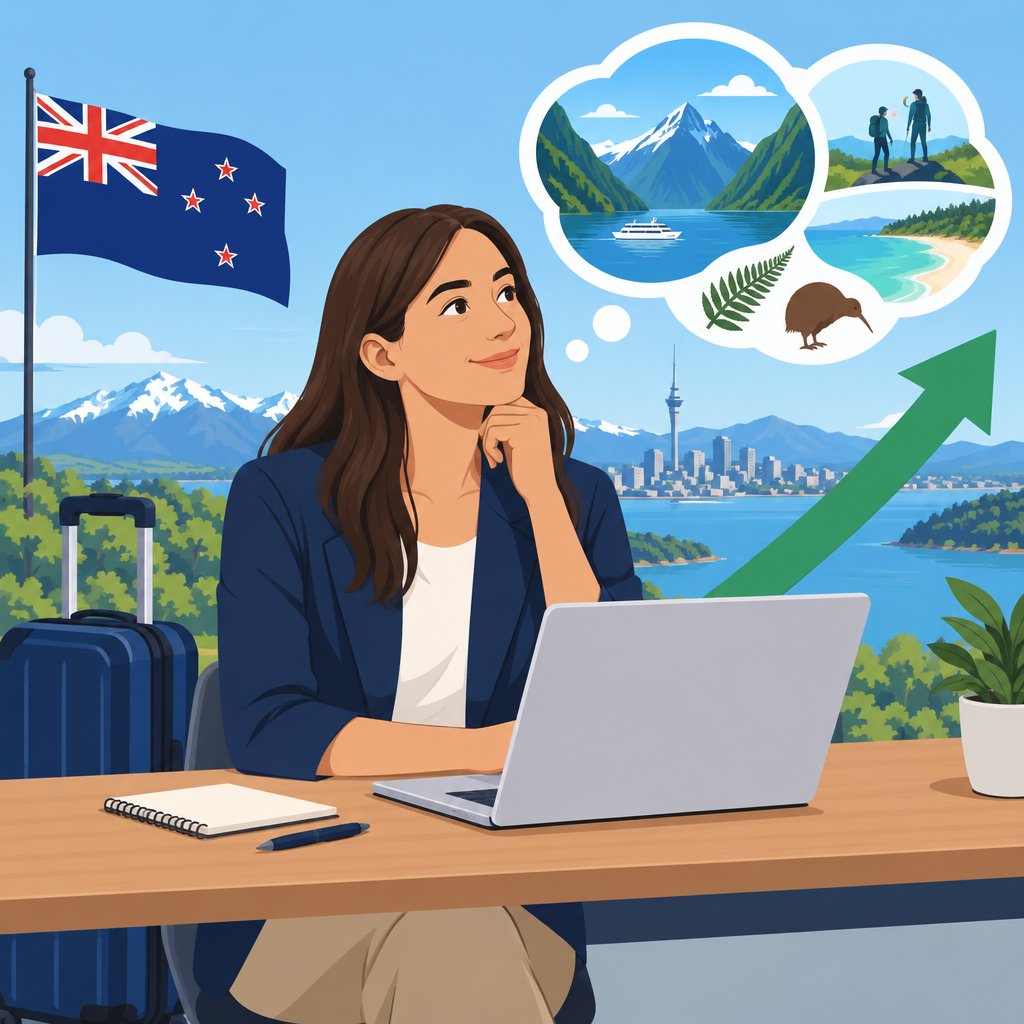
Build Cultural Awareness
Cultural awareness helps graduates engage respectfully with visitors and communities in New Zealand.
People may hold different values, expectations, and communication preferences.
Therefore, listen carefully before responding and avoid assumptions about someone’s background or perspective.
Show respect when learning about cultural practices, community expectations, and visitor experiences.
Additionally, reflect on how your words and actions may affect other people.
Learn Through Respectful Interaction
Approach each interaction with curiosity, patience, and an open mind.
Ask thoughtful questions when you need clarification.
However, avoid expecting visitors or community members to explain everything for you.
Instead, take responsibility for improving your understanding through careful observation and reflection.
Respect different viewpoints, even when they differ from your own.
Strengthen Communication Skills
Clear communication helps graduates support positive experiences for visitors and communities.
Use language that suits each person’s situation and communication purpose.
Speak clearly, listen actively, and give people enough time to respond.
Confirm important details to reduce confusion and support shared understanding.
Moreover, pay attention to tone, body language, and expressed concerns.
Communicate With Visitors
Explain information clearly without overwhelming people with unnecessary detail.
Adapt your approach when visitors show confusion, uncertainty, or different communication needs.
Respond to questions respectfully, even when you need time to find an answer.
When misunderstandings occur, acknowledge them and clarify information calmly.
Communicate With Communities
Listen to community perspectives before discussing visitor needs or tourism activities.
Recognise that communities may have priorities requiring careful consideration.
Share information honestly and avoid promising outcomes you cannot support.
Furthermore, invite respectful discussion when different interests require attention.
Commit to Responsible Tourism
Responsible tourism requires graduates to consider tourism’s effects on visitors and communities.
Act respectfully toward the people, places, and communities connected with tourism.
Consider community perspectives when making decisions or supporting visitor experiences.
Avoid treating communities as backdrops for visitor experiences.
Instead, value their voices and recognise their role in tourism.
Make Considerate Decisions
Think about the wider effects of your actions before proceeding.
Balance visitor expectations with respect for community needs and values.
Follow responsible practices that support respectful relationships with local communities.
When uncertainty arises, seek guidance rather than making careless assumptions.
Also, remain willing to adjust your approach after receiving feedback.
Develop Professional Judgement
Use cultural awareness and communication skills together when responding to complex situations.
Pause, listen, and consider different perspectives before choosing an action.
Recognise that responsible decisions may require patience and thoughtful communication.
Continue reflecting on your conduct as you work with visitors and communities.
Ultimately, these habits help graduates contribute respectfully within New Zealand tourism.
Learn More: How Adventure Tourism Careers Reflect NZ’s Natural Wonders
Building Professional Connections
Networking can help graduates discover tourism opportunities and understand different employers.
Begin by speaking with people connected to tourism roles, organisations, and professional communities.
Approach each conversation with curiosity, preparation, and respect for the other person’s time.
Preparing for Meaningful Conversations
Before contacting someone, identify what you want to learn about their work.
Prepare concise questions about their responsibilities, workplace, and recruitment processes.
Ask how graduates can demonstrate interest in tourism opportunities.
Listen carefully, then record useful guidance after each conversation.
However, avoid treating every conversation as an immediate request for employment.
Instead, focus on learning and developing genuine professional relationships.
Attending Industry Events
Industry events can create opportunities to meet employers and other tourism professionals.
Review the event purpose before attending, then set a clear networking objective.
Introduce yourself confidently and explain your interest in building a tourism career.
Ask open questions that encourage professionals to share their experiences.
Move beyond collecting contact details by creating thoughtful, relevant conversations.
Afterward, contact people you met and thank them for their time.
Briefly mention the conversation so your follow-up feels personal and relevant.
Strategic Use of Career Services
Career services can support graduates as they explore tourism employers and opportunities.
Ask for guidance on presenting your interests clearly during professional conversations.
Request feedback on your networking approach and communication style.
Career advisers may also help you identify suitable ways to contact employers.
Use their support to prepare questions before attending events or requesting conversations.
Connecting Career Advice With Your Goals
Explain the type of tourism work you want to investigate.
Then ask how your current direction might influence your employer research.
Discuss ways to evaluate opportunities against your interests and capabilities.
Keep your questions specific enough to support practical next steps.
Review the advice afterward and decide which actions deserve priority.
Understanding Potential Employers
Professional connections can provide insight into an employer’s work and expectations.
Use conversations to understand workplace responsibilities, team structures, and recruitment priorities.
Ask professionals what they value when meeting graduate candidates.
Listen for recurring themes that can guide your future conversations.
However, treat personal opinions as perspectives rather than complete descriptions.
Compare information from several professional connections before forming conclusions.
Maintaining Professional Relationships
Stay in contact by sharing occasional updates about your career exploration.
Keep each message concise, polite, and relevant to the previous conversation.
Thank people when their advice helps you take a useful step.
Respect boundaries when someone cannot provide further guidance.
Over time, consistent communication can help you remain visible within professional circles.
Connections That Support Opportunities
When an opportunity interests you, ask about the appropriate application process.
Follow instructions carefully and communicate your interest with professionalism.
Use information from your conversations to understand the employer more clearly.
Finally, continue building connections even when a specific opportunity does not proceed.
Delve into the Subject: The Role of Housekeeping Supervisors in NZ’s Hospitality Sector
Building Digital Capability in Tourism
Digital capability supports modern tourism businesses.
It helps graduates communicate with visitors more effectively.
Therefore, graduates should develop confidence with tools for communication, organisation, marketing, and customer engagement.
Using Digital Tools Effectively
Digital tools help tourism teams organise information and coordinate activities.
They also support consistent communication across workplace systems.
Graduates can strengthen employability by learning new platforms carefully.
They should adapt their approach to different workplace systems.
Furthermore, each tool should support visitor needs, business objectives, and responsible information management.
Careful attention to accuracy helps graduates present reliable information across digital channels.
Creating Useful Tourism Content
Content creation helps graduates explain experiences and share useful information.
It also allows them to represent tourism organisations online.
Strong content uses clear language and relevant details.
Its tone should suit the intended audience.
Graduates can practise creating written, visual, or multimedia content.
They should avoid unsupported claims in every format.
Moreover, they should plan each piece before selecting its format or publishing channel.
Reviewing content improves clarity, consistency, and alignment with communication goals.
Developing a Social Media Approach
Social media gives tourism organisations direct opportunities to communicate with audiences.
It can also encourage ongoing engagement.
Graduates can plan posts and prepare suitable content.
They can monitor responses and maintain an appropriate online voice.
However, every post should respect visitors, communities, colleagues, and communication standards.
Graduates should respond thoughtfully when audiences ask questions or share feedback.
Consistent activity requires organisation, creativity, and attention to detail.
It also requires awareness of audience expectations.
Applying Data to Tourism Work
Data helps tourism teams understand digital activity and audience interests.
It can also clarify customer interactions.
Graduates can build confidence by interpreting available information carefully.
They should identify patterns without overstating their meaning.
Before reviewing data, graduates should ask clear questions.
For example, they might examine which content receives attention.
They might also identify booking information that requires improvement.
Additionally, graduates should communicate findings clearly.
This approach helps colleagues understand practical relevance.
Understanding Online Booking Platforms
Online booking platforms connect tourism businesses with customers seeking information and purchase options.
Graduates may support accurate listings and clear descriptions.
They can also help maintain availability and straightforward customer communication.
They should check details carefully because errors can affect booking decisions.
Furthermore, graduates can observe how customers move through booking processes.
This perspective helps them identify confusing information.
They can then suggest clearer communication.
Combining Digital Skills with Visitor Focus
Digital skills become more valuable when graduates connect them with visitor needs.
They should also consider organisational priorities.
Technology should support clear communication rather than replace thoughtful service.
Therefore, graduates should consider accessibility, accuracy, tone, privacy, and cultural respect.
They can continue developing by reviewing their work.
They should also request constructive feedback.
By combining creativity, analysis, and careful communication, graduates can contribute meaningfully to tourism teams.
Plan Long-Term Career Progression
Long-term planning helps graduates direct their tourism careers with greater purpose.
Start by identifying the responsibilities, skills, and roles you want to pursue.
Then, connect each goal with practical actions that support steady professional growth.
Set Clear Career Goals
Define short-term goals that strengthen your current performance and confidence.
Next, establish longer-term goals focused on specialist expertise or leadership responsibilities.
Write goals that describe the progress you want to make within your career.
Review these goals regularly and adjust them when your interests or priorities change.
Additionally, measure progress through completed learning, expanded responsibilities, and improved professional capabilities.
Seek Guidance Through Mentoring
A mentor can offer perspective as you make decisions about your professional direction.
Look for someone who understands tourism work and can discuss your development goals.
Prepare specific questions before each conversation to encourage focused and useful guidance.
For example, ask about skills, responsibilities, and habits that support future progression.
However, treat mentoring as a shared conversation rather than a replacement for personal decision-making.
Apply suitable advice, reflect on the results, and continue refining your approach.
Continue Professional Development
Professional development helps you remain prepared as your responsibilities evolve.
Identify knowledge areas that support your current work and future ambitions.
Then, pursue relevant learning opportunities that strengthen those areas.
Keep a record of completed development activities and the capabilities they helped you build.
Furthermore, discuss development needs with mentors or managers when seeking constructive direction.
Use feedback to identify gaps, improve performance, and choose your next learning priority.
Develop Specialist Expertise
Specialist roles require focused knowledge and consistent development within a chosen area.
Consider which aspects of tourism work best match your interests and strengths.
Next, deepen your understanding through relevant responsibilities, learning, and reflective practice.
Demonstrate your expertise by producing reliable work and taking ownership of suitable tasks.
Over time, specialist knowledge can strengthen your contribution and support future career opportunities.
Prepare for Leadership Responsibilities
Leadership development begins before you receive a formal management role.
Practise reliability, clear communication, thoughtful decision-making, and constructive collaboration.
Seek opportunities to coordinate tasks or support shared objectives when appropriate.
Learn to accept responsibility while respecting the contributions and perspectives of others.
Additionally, request feedback about your leadership approach and respond with purposeful improvements.
Strong preparation can help you move confidently towards greater responsibility in tourism.
Review Progress and Adapt
Career progression rarely follows one fixed path.
Therefore, review your goals as your experience, interests, and capabilities develop.
Celebrate meaningful progress while recognising areas that require further attention.
When circumstances change, revise your plans without losing sight of your broader direction.
This flexible approach keeps your career planning relevant and supports continuous growth.
Additional Resources
Google search results for How Graduates Can Build a Career in NZ Tourism Hospitality and Tourism
Bing search results for How Graduates Can Build a Career in NZ Tourism Hospitality and Tourism


