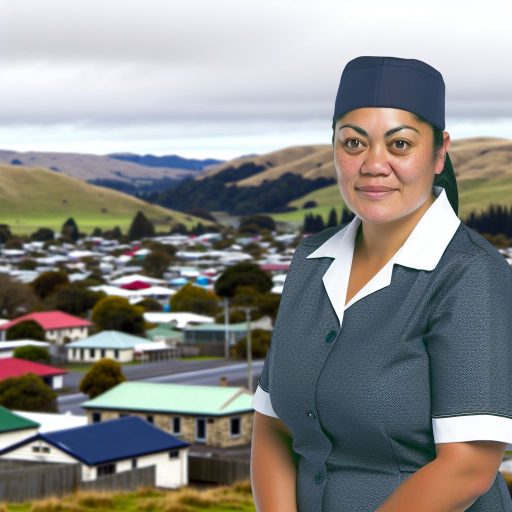




Overview of Public Health Initiatives in New Zealand and Their Societal Impact
New Zealand implements diverse public health initiatives targeting various community needs.
These programs focus on improving health outcomes across all population groups.
For example, initiatives include vaccination drives, mental health campaigns, and disease prevention.
Scope of Public Health Initiatives
Moreover, they address social determinants such as housing and nutrition.
Several government agencies coordinate efforts, including the Ministry of Health and district health boards.
Private organizations like WellHealth Aotearoa also contribute significantly to these programs.
Impact on Society
Public health initiatives enhance quality of life throughout New Zealand.
They reduce incidences of preventable diseases such as influenza and measles.
Consequently, hospital admissions have decreased in many regions.
Furthermore, mental wellbeing programs have improved community resilience.
These efforts contribute to lowering health inequities among Maori and Pasifika populations.
Economic and Workforce Benefits
Public health initiatives stimulate New Zealand’s economy by creating jobs.
They offer career opportunities in nursing, health education, and policy development.
Workers like Emma Harris at Rotorua Health Trust exemplify successful careers in this field.
Employers such as KiwiCare Services actively recruit professionals with public health skills.
Personalized Career Consulting
Unlock your potential with expert career advice tailored to your goals. Get personalized guidance and actionable steps toward your dream career in New Zealand.
Get StartedAdditionally, these programs promote workforce diversity and inclusion.
Key Sectors within Public Health Offering Meaningful Career Opportunities
This page outlines key sectors within public health.
It describes career opportunities and typical roles.
Several organizations and specialists serve as examples.
Health Promotion and Education
Health promotion improves community wellbeing.
Professionals educate people about nutrition, exercise, and mental health.
Additionally, they develop campaigns for smoking cessation and disease prevention.
Organizations like Wellbeing Aotearoa employ specialists Olivia Chang and Marcus Reid.
Careers in this sector offer fulfilling and impactful work.
Disease Prevention and Control
Disease prevention reduces the spread of infectious illnesses and chronic diseases.
Public health experts implement vaccination programs and screening initiatives.
For example, the Southern Health Authority includes epidemiologists such as David Mason.
Furthermore, they collaborate with communities to monitor health trends effectively.
Practitioners find dynamic and meaningful opportunities in this sector.
Transform Your Career with a Professional CV and Cover Letter
Stand out to employers with an ATS-optimized resume and tailored cover letter designed to match your dream role. Let us craft your job application materials for success!
Get StartedEnvironmental Health
Environmental health specialists study how surroundings affect wellbeing.
They assess risks from water quality, air pollution, and waste management.
Local councils such as Greenfield Environmental Services work closely with specialists.
Experts like Hana Patel lead projects that ensure safe living environments.
These careers protect populations and promote sustainable practices.
Health Policy and Management
Health policy professionals design strategies to improve healthcare systems.
They analyze data to craft effective regulations and resource allocations.
At the New Zealand Health Institute, leaders such as Emma Wilson shape national policies.
Managers ensure health services operate efficiently and equitably.
This sector suits individuals who want to influence systemic change.
Mental Health and Wellbeing
Mental health services focus on emotional and psychological support.
Counselors and social workers deliver critical care through Serenity Counselling Trust.
Specialists such as James Thornton provide therapy and crisis intervention.
They advocate for reducing stigma and for raising awareness.
Boost Your Career with a Standout LinkedIn Profile
Attract recruiters and expand your network with a fully optimized LinkedIn profile tailored to highlight your strengths and professional goals. Let your profile open doors to new opportunities!
Get OptimizedCareers in this field offer rewarding opportunities to make a difference daily.
Educational Pathways and Training Required for Careers in Public Health
Educational pathways shape the knowledge and skills of public health professionals.
Training combines formal coursework, practical experience, and ongoing professional development.
The following sections describe common degrees, training, and valued skills.
Foundational Education in Public Health
Many students enroll in bachelor programs in health promotion or environmental health.
These programs teach core topics in community health and disease prevention.
Students also develop research, communication, and data analysis skills.
Advanced Degrees and Specializations
Many professionals pursue a master’s degree in public health to expand career opportunities.
The MPH program provides training in epidemiology, biostatistics, and health policy.
It also builds leadership skills for managing health projects.
Other advanced options include a Master of Health Science or public health doctorates.
Practical Training and Certification
Hands on experience enhances public health careers significantly.
Students gain valuable exposure through internships with health boards or non-governmental organizations.
Certification courses in health promotion, epidemiology, or data analysis add credibility.
These credentials improve employability and support professional advancement.
Continuous Professional Development
Public health professionals engage in lifelong learning to remain current.
Workshops, seminars, and online courses deliver timely updates on health issues.
Practitioners use networking events to share knowledge and strategies.
As a result, ongoing education sharpens skills and adapts responses to challenges.
Skills Valued in Public Health Careers
Effective communication is vital for working with communities and stakeholders.
Data literacy enables professionals to analyze trends and evaluate interventions.
Cultural competence strengthens relationships with diverse populations.
Leadership and teamwork drive successful public health initiatives.
These skills develop through education and real world experience.
You Might Also Like: Building a Rewarding Career in Aged Care Services in New Zealand
Role of Government Policies in Shaping Public Health Job Markets
Government policies influence availability of public health jobs.
Investment decisions and regulations shape workforce skills and roles.
Strategic priorities and partnerships guide employment trends across sectors.
Government Investment and Funding Priorities
The New Zealand government actively funds public health programs nationwide.
These investments help create diverse job opportunities in community health services.
Moreover, funding priorities influence the demand for specific public health skills.
For example, increased funding for mental health services boosts workforce growth in that sector.
Therefore, government budget allocations directly impact job availability in public health.
Regulations Driving Workforce Development
Government regulations set standards for public health education and professional certification.
Such regulations ensure a qualified and competent workforce across all health sectors.
Consequently, health professionals must meet continuous training requirements to maintain licenses.
This regulatory framework motivates institutions to offer relevant training programs.
Ultimately, policies shape the competencies needed in New Zealand’s public health jobs.
Strategic Health Policies and Employment Trends
Strategic health policies target emerging health challenges like obesity and infectious diseases.
Therefore, the government supports research and prevention programs that require specialized staff.
These initiatives create career paths in epidemiology, health promotion, and policy analysis.
Furthermore, policies promoting equity increase demand for roles focused on Maori and Pasifika health.
Hence, strategic policies align workforce needs with evolving public health goals.
Collaboration Between Government and Educational Institutions
The government partners with universities and polytechnics to align training with public health demands.
This collaboration fosters curriculum development focused on current community health needs.
For instance, the Ministry of Health sponsors internships and scholarships to nurture future professionals.
Such programs bridge education and employment, facilitating smooth workforce entry.
Consequently, these partnerships contribute to a sustainable pipeline of skilled public health workers.
Impact of Policy Changes on Employment Stability
Sudden policy shifts, like new health regulations, can alter workforce requirements abruptly.
This creates challenges but also opens avenues for retraining and upskilling existing workers.
The government often provides support to ease transitions for affected public health employees.
Therefore, responsive policies maintain employment stability while adapting to new health priorities.
Government policies act as critical drivers that shape public health careers in New Zealand.
Delve into the Subject: The Role of Compassion in Building a Career in NZ Healthcare
Impact of Community Health Programs on Job Creation and Skill Development
Community health programs actively generate diverse employment opportunities across New Zealand.
They create roles for healthcare professionals, administrators, and outreach coordinators.
Engagement with local populations increases demand for support staff and volunteers.
Stimulating Employment Opportunities
Organizations such as the Wellington Health Trust have expanded their workforce.
These programs contribute to reducing unemployment in underserved communities.
They also stimulate economic growth in related sectors like training and supply chain.
Enhancing Skills Through Training and Development
Community programs offer extensive training to develop essential healthcare skills.
For example, Te Aroha Wellness Centre provides workshops on mental health first aid.
Participants gain practical knowledge useful for medical and social care careers.
They improve communication, leadership, and project management abilities.
Empowering Marginalized Groups
Community health programs prioritize empowering marginalized and vulnerable populations.
They offer targeted training to Maori and Pasifika communities to enhance workforce inclusion.
For instance, Aroha Health Collective runs tailored courses for youth employment.
These initiatives encourage participation in health promotion and peer support roles.
Broader Benefits for the Healthcare Sector
Improved skills from community programs strengthen the overall healthcare system.
Skilled workers support public health campaigns and clinics.
They improve health outcomes through effective community engagement.
Agencies such as the Southern District Health Board highlight these workforce benefits.
Public health programs sustain a pipeline of qualified professionals for future needs.
Uncover the Details: Navigating Healthcare Career Pathways in New Zealand’s Rural Areas
Case Studies of Successful Public Health Careers in New Zealand
This page presents case studies of public health careers in New Zealand.
The examples highlight career growth across several public health fields.
Each case study describes roles, activities, and outcomes from the source text.
Career Growth Through Community Health Initiatives
Emma Rangi started her public health career focusing on community health programs.
She joined the Wellington Regional Public Health Service in 2014.
Her primary role involved developing vaccination campaigns for under-served populations.
Over time, Emma expanded her expertise to include health promotion and disease prevention.
Consequently, she became a key figure in launching nationwide immunisation awareness campaigns.
Her efforts helped increase vaccination rates by 20% within three years.
Furthermore, Emma was promoted to manage cross-regional community health projects.
Her work illustrates how public health roles can evolve into leadership positions.
Innovation in Maori Health Advocacy
Tama Whaitiri has dedicated his career to improving Maori health outcomes.
He started as a health advisor at Te Oranganui Iwi Health Authority.
Tama designed culturally appropriate programs addressing diabetes and heart disease.
These programs effectively reduced hospital admissions by encouraging early intervention.
Moreover, Tama led workshops that trained community health workers in Maori perspectives.
His contributions have strengthened indigenous health frameworks across New Zealand.
Currently, he serves as a policy advisor shaping national health strategies.
Tama’s career underscores the importance of cultural competence in public health.
Advancing Mental Health Services
Dr. Olivia Chen has made significant impacts in mental health care development.
She began working at Auckland District Health Board’s mental health unit.
Olivia specialised in youth mental health and early diagnosis approaches.
Through collaborative research, she helped implement community outreach programs.
These initiatives improved access to mental health services for teenagers.
Later, Olivia co-founded the Kiwi Youth Mental Wellness Network.
This network supports mental health professionals across various regions.
Her career demonstrates how clinical experience can translate into system-wide improvements.
Leadership in Environmental Health and Safety
Mark Taylor advanced his career through environmental health roles in Christchurch.
He initially worked as a public health inspector focusing on water quality.
Mark played a pivotal role in developing safe drinking water standards.
He collaborated with local councils to reduce contaminants in public water supplies.
His initiatives led to recognition by both governmental and environmental organisations.
Currently, Mark directs the Canterbury Environmental Health Trust.
His leadership promotes sustainable health practices linked to environmental safety.
Mark’s journey highlights the career opportunities within environmental public health.
Collaborative Success in Infectious Disease Control
Sarah Patel built her public health career specialising in infectious disease control.
She worked with the New Zealand Ministry of Health’s communicable disease team.
Sarah coordinated response strategies during the 2020 COVID-19 outbreak.
Her effective communication skills helped inform the public and health professionals.
Additionally, she facilitated training programs for rapid response teams nationwide.
Sarah’s work was instrumental in containing outbreaks efficiently.
She now advises international agencies on epidemic preparedness and response.
Her path shows the high impact and dynamic nature of infectious disease careers.
You Might Also Like: How Rural Healthcare Roles Are Bridging Gaps in NZ’s Health System

Challenges and Opportunities in the New Zealand Public Health Workforce
Demand for skilled public health professionals in New Zealand grows rapidly.
However, the workforce faces a shortage of qualified workers across sectors.
Consequently, recruitment efforts intensify in both urban and rural areas.
Workforce Demand and Supply Dynamics
Recruiters focus efforts across urban and rural locations.
Fortunately, government incentives encourage professionals to join underserved communities.
Additionally, training programs aim to expand the pool of specialized workers.
Skill Development and Education Pathways
Public health education in New Zealand offers diverse pathways to enter the field.
Universities such as Otago and Auckland provide robust public health degree programs.
Moreover, practical internships enhance workforce readiness and applied skills.
Continuing professional development helps workers stay current with emerging health trends.
Institutes like the New Zealand Institute of Public Health support ongoing skill enhancement.
Diversity and Inclusion in the Workforce
New Zealand prioritizes diversity to reflect its multicultural population within public health.
Maori and Pasifika representation remains a key area of focus for equity.
Employers actively recruit from diverse backgrounds to improve cultural competence.
Consequently, this approach enhances community trust and program effectiveness.
Furthermore, inclusive policies foster a welcoming work environment for all staff.
Technological Advancements and Digital Health
Technology integration reshapes how public health services are delivered nationwide.
Digital tools improve data collection, disease surveillance, and health promotion.
Health informatics specialists play a vital role in supporting these innovations.
Public health initiatives increasingly rely on telehealth to reach remote populations.
These changes create new career opportunities in digital health solutions.
Collaborations and Intersectoral Partnerships
Effective public health relies on partnerships among government, NGOs, and private sectors.
Collaborative projects increase resource sharing and knowledge exchange.
Organizations like WellHealth and Community Care Trust actively collaborate on wellness programs.
These partnerships enable holistic approaches to address complex health issues.
Hence, careers in public health often involve interdisciplinary teamwork and networking.
Future Trends in Public Health and Their Implications for Career Growth
Emerging technologies rapidly transform public health practices in New Zealand.
Moreover, prevention and equity increasingly guide policy and practice.
Consequently, career opportunities will shift toward interdisciplinary and technical roles.
Technological Advancements Driving Change
AI-powered data analysis improves disease surveillance and response.
Consequently, professionals with health informatics skills gain strong career prospects.
Furthermore, telehealth expands access to care in remote communities.
Therefore, adaptability to new tools and platforms becomes essential.
Focus on Preventive Health and Wellbeing
New Zealand’s health system increasingly prioritizes prevention over treatment.
As a result, demand grows for experts in health promotion and community engagement.
For example, organizations like Whanau Ora highlight culturally tailored prevention programs.
Therefore, careers in health education and policy advocacy flourish.
Additionally, professionals who design inclusive initiatives foster meaningful community impact.
Growing Emphasis on Equity and Indigenous Health
Addressing health disparities is a central goal for future public health efforts.
Maori health advancement requires specialized skills and culturally competent approaches.
Consequently, roles focusing on indigenous health equity will expand significantly.
Furthermore, partnerships with iwi and hapu strengthen community-led health strategies.
Thus, careers that integrate cultural knowledge and public health skills gain value.
Climate Change and Environmental Health
Climate change presents new challenges for public health professionals in New Zealand.
Rising environmental risks demand expertise in preparing and responding to health impacts.
As a result, careers in environmental health and disaster management grow more relevant.
Health agencies collaborate with environmental scientists to build resilient communities.
Therefore, professionals who bridge health and environmental fields become key assets.
Interdisciplinary Collaboration and Innovation
Future public health initiatives emphasize teamwork across diverse sectors.
Collaborations between healthcare, social services, and technology enhance health outcomes.
Accordingly, communication, project management, and technical knowledge gain importance.
New roles appear in policy design, digital health, and population analytics.
Thus, public health careers increasingly require flexibility and continuous learning.
Pathways to Sustainable Career Growth
Professionals should engage in ongoing education to stay current with trends.
Networking within organizations like the Public Health Association of New Zealand fosters opportunities.
Mentorship from experienced leaders such as Dr. Amelia Rangi supports development.
Volunteering with programs led by Maori health trusts provides practical experience.
Ultimately, embracing future-focused skills leads to rewarding and impactful career paths.
Importance of Cultural Competency and Partnership with Maori and Pasifika Communities
This section explains why cultural competency matters for Maori and Pasifika communities.
It emphasizes respectful engagement and lasting community partnerships.
These approaches increase trust and promote meaningful health involvement.
Respecting Indigenous Knowledge and Values
Cultural competency begins with respecting Maori and Pasifika indigenous knowledge.
Public health initiatives must value traditional practices and community beliefs.
For example, Rangi Health Services incorporates matauranga Maori in its programs.
Moreover, this respect fosters trust and supports open communication.
As a result, communities feel valued and more engaged in health efforts.
Building Genuine Partnerships
True partnership requires ongoing collaboration with Maori and Pasifika leaders.
Organizations like Te Ora Collective work closely with community representatives.
This collaboration ensures programs align with cultural needs and priorities.
Consequently, communities gain authority to co-design local health solutions.
These partnerships improve relationships and increase program success.
Embedding Cultural Competency in Workforce Training
Effective public health careers need cultural competency training for staff.
At Mana Moana Health, employees undergo regular cultural awareness workshops.
This training improves understanding of community values and communication styles.
Additionally, it reduces cultural barriers in service delivery and access.
Thus, workers provide more respectful and relevant care experiences.
Benefits of Collaborative Public Health Strategies
Working with Maori and Pasifika communities leads to better health outcomes.
Tailored approaches address challenges such as chronic disease and mental health.
Health organizations like Pacific Wellbeing Trust illustrate this effectiveness.
Moreover, community involvement increases program acceptance and participation.
In turn, culturally competent care fosters meaningful and impactful careers.
Volunteer and Internship Opportunities as Gateways to Public Health Careers
Volunteering offers a practical way to engage with public health initiatives across New Zealand.
Volunteers gain firsthand experience that deepens understanding of public health challenges.
This experience often builds skills such as communication, teamwork, and problem-solving.
Introduction to Volunteer Roles in Public Health
Several organizations provide diverse roles suitable for different interests and skills.
Many community organizations depend on volunteers for successful health promotion campaigns.
These roles allow volunteers to network with public health professionals.
Types of Volunteer Opportunities Available
- Supporting vaccination clinics by assisting with logistics and patient flow.
- Helping deliver health education workshops in schools or community centers.
- Assisting with data collection and analysis for local health research projects.
- Participating in public awareness campaigns for issues like smoking cessation or nutrition.
Benefits of Internships in Public Health
Internships provide structured learning and professional development opportunities.
They often bridge academic knowledge with real-world public health practice.
Interns work alongside experts at New Zealand District Health Boards or NGOs like Manaaki Ora.
Additionally, internships help refine career goals and increase employability.
Interns may also receive mentorship, gaining insight into the industry’s expectations and culture.
Finding and Applying for Opportunities
Prospective volunteers and interns can explore positions through university career centers and websites.
Organizations such as the New Zealand Public Health Association advertise numerous openings regularly.
Applicants should prepare clear resumes and cover letters tailored to public health roles.
Demonstrating enthusiasm and prior experience helps secure competitive placements.
Following up with program coordinators shows professionalism and commitment.
Success Stories from Public Health Volunteers and Interns
Emma Clarke started as a volunteer with Te Ora Health Trust and now manages community outreach.
Raj Patel completed an internship at Southern PHO and secured a full-time epidemiologist role.
These examples highlight the potential of volunteering and internships to launch meaningful careers.
Engaging early with these opportunities enhances career prospects in public health.