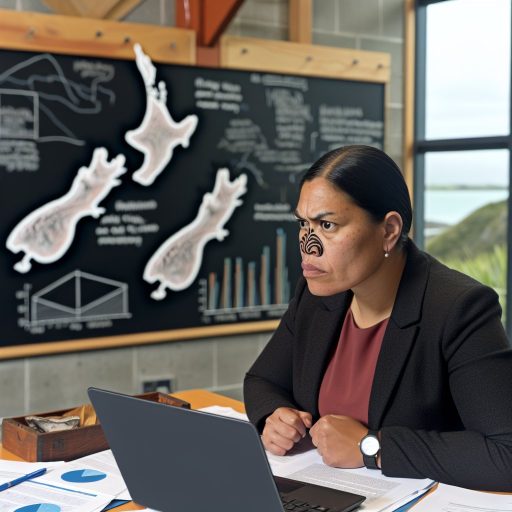




Overview of probation officers' roles in the New Zealand criminal justice system
Role in Offender Supervision
Probation officers supervise offenders in the community after their release from custody.
They ensure compliance with court-ordered conditions and legal requirements.
Moreover, they monitor offenders' behavior to reduce the risk of reoffending.
Through regular meetings, probation officers assess offenders' progress and challenges.
Support for Rehabilitation and Reintegration
Probation officers actively support offenders' rehabilitation efforts by connecting them with resources.
They coordinate access to education, employment, and mental health services.
In addition, they assist offenders in developing life skills and positive habits.
By fostering accountability, probation officers promote successful reintegration into society.
Collaboration within the Criminal Justice System
Probation officers work closely with courts, social services, and victim support agencies.
This collaboration ensures a holistic approach to offender management.
Furthermore, probation officers provide vital information to judges for informed sentencing decisions.
Their reports often influence rehabilitation plans and risk assessments.
Community Education and Crime Prevention
Probation officers engage with local communities to raise awareness about crime prevention.
They participate in programs that educate youth and vulnerable groups.
In doing so, probation officers help build safer and more informed communities.
Personalized Career Consulting
Unlock your potential with expert career advice tailored to your goals. Get personalized guidance and actionable steps toward your dream career in New Zealand.
Get StartedUltimately, their role extends beyond supervision to fostering public trust.
Assessment and Identification of Offender Rehabilitation Needs
Initial Risk and Needs Assessment
Probation officers conduct comprehensive risk assessments when offenders enter the system.
This process evaluates the likelihood of reoffending and identifies specific rehabilitation needs.
Officers use validated tools such as the RoC*RoI assessment tool designed for New Zealand.
They also consider the offender’s background, including personal history and social circumstances.
This holistic understanding guides tailored interventions for effective rehabilitation.
Engaging Offenders in the Assessment Process
Probation officers establish trust to encourage honest communication during assessments.
They involve offenders actively in identifying their challenges and goals.
This collaboration helps in creating a personalised rehabilitation plan that fits the offender’s needs.
Moreover, probation officers assess motivation levels to support sustained behavioural change.
Identification of Specific Rehabilitation Areas
Addressing Substance Abuse
Many offenders struggle with addiction issues that impact their behaviour.
Probation officers refer individuals to specialised substance abuse programmes when needed.
They continuously monitor progress and adjust support accordingly.
Improving Mental Health and Wellbeing
Probation officers identify mental health challenges affecting offenders’ rehabilitation.
Transform Your Career with a Professional CV and Cover Letter
Stand out to employers with an ATS-optimized resume and tailored cover letter designed to match your dream role. Let us craft your job application materials for success!
Get StartedThey connect offenders with appropriate mental health services and counselling.
This support reduces risks and promotes stability during rehabilitation.
Enhancing Educational and Vocational Skills
Offenders often require skill development to improve employment prospects.
Probation officers link individuals to training, education, and work readiness programmes.
This approach helps break the cycle of offending through economic empowerment.
Collaboration with Other Agencies
Probation officers work closely with social services, healthcare providers, and iwi organisations.
This collaboration ensures that rehabilitation needs are met through a multi-agency approach.
They also share assessment findings to coordinate consistent and comprehensive support.
Ongoing Review and Adjustment
Probation officers regularly review rehabilitation plans based on offender progress.
They adjust strategies to address emerging needs or challenges.
This dynamic process improves outcomes and supports long-term rehabilitation success.
Development and Implementation of Personalized Rehabilitation Plans
Assessment and Tailoring of Rehabilitation Plans
Probation officers begin by conducting thorough assessments of each client’s background and needs.
They evaluate factors such as education, employment history, and social environment.
Additionally, they consider mental health and substance abuse issues during the assessment.
Boost Your Career with a Standout LinkedIn Profile
Attract recruiters and expand your network with a fully optimized LinkedIn profile tailored to highlight your strengths and professional goals. Let your profile open doors to new opportunities!
Get OptimizedBased on this information, officers collaborate with clients to create personalized rehabilitation plans.
These plans focus on addressing specific challenges that affect clients’ reintegration into society.
Moreover, personalized plans increase the likelihood of successful rehabilitation outcomes.
Collaborative Goal Setting and Support
Probation officers work closely with clients to set realistic and achievable goals.
They ensure that goals align with clients’ strengths and personal aspirations.
Furthermore, officers coordinate with community services to provide necessary resources and support.
This collaboration enables access to education, employment, counseling, and healthcare programs.
Officers maintain regular contact to monitor progress and adjust plans as needed.
Consequently, clients receive continuous encouragement and accountability throughout their journey.
Utilizing Evidence-Based Practices
Probation officers implement rehabilitation plans grounded in evidence-based practices.
They apply interventions proven to reduce recidivism and promote behavioral change.
These methods include cognitive-behavioral therapy and skill-building activities.
Additionally, officers integrate culturally sensitive approaches tailored to diverse client populations.
By doing so, they enhance the effectiveness and relevance of rehabilitation efforts.
Monitoring Progress and Adjusting Plans
Regular reviews allow probation officers to assess how well clients meet their rehabilitation goals.
They gather feedback from clients and involved professionals to evaluate progress.
When challenges arise, officers modify plans to better suit clients’ evolving needs.
This flexibility ensures that rehabilitation remains responsive and effective over time.
Ultimately, ongoing adjustment promotes sustained positive change and community safety.
Uncover the Details: How to Build a Career in Public Health Administration in NZ
Supervision and Monitoring of Offenders in the Community
Role of Probation Officers in Community Supervision
Probation officers actively supervise offenders within the community to promote public safety.
They maintain regular contact with individuals to monitor their compliance with court orders.
Officers assess risks and address challenges that may affect rehabilitation.
This ongoing supervision helps prevent reoffending and encourages positive behaviour changes.
Methods Used in Monitoring Offenders
Probation officers use various tools to track and support offenders effectively.
Electronic monitoring devices such as GPS trackers help ensure offenders abide by restrictions.
Officers conduct home and workplace visits to observe living conditions and routines.
They also collaborate with local services to gather relevant information on the offender’s progress.
Support Provided During Supervision
Beyond monitoring, probation officers offer guidance to address offenders’ needs.
They connect offenders with counselling, employment opportunities, and educational programmes.
Support networks including family and community groups often involve probation staff to strengthen rehabilitation.
Moreover, officers help individuals develop life skills essential for successful reintegration.
Collaborative Approach to Offender Management
Probation officers work closely with social workers, health providers, and law enforcement agencies.
This collaboration ensures a holistic approach tailored to each offender’s circumstances.
Communication among professionals enables timely interventions if issues arise.
In this way, probation officers play a crucial role in balancing supervision with support.
Learn More: The Importance of Compliance Officers in NZ’s Public Institutions
Collaboration with Social Services, Healthcare Providers, and Iwi Groups
Working Closely with Social Services
Probation officers coordinate with social services to address offenders’ social needs.
They connect clients to housing, employment, and family support programs.
Furthermore, this collaboration improves access to essential community resources.
Social workers like Emma Kauri help tailor rehabilitation plans alongside officers.
Together, they monitor progress and adapt support strategies when necessary.
Engagement with Healthcare Providers
Probation officers actively refer clients to healthcare professionals for medical support.
They work especially closely with mental health and addiction specialists, such as Dr. Marcus Tane.
This partnership ensures timely treatment for underlying health issues affecting behavior.
Moreover, officers attend case meetings to maintain comprehensive support continuity.
Regular communication aids in addressing new or ongoing health challenges.
Partnerships with Iwi Groups
Probation officers foster strong relationships with local iwi groups for cultural guidance.
These partnerships empower Maori clients through culturally relevant rehabilitation approaches.
Leaders like Rangi Whaitiri provide valuable insights into tikanga and whanau dynamics.
Consequently, clients experience greater engagement and support during rehabilitation.
Officers attend hui and participate in community events to strengthen these connections.
Integrated Approach to Rehabilitation
Combining efforts from social services, healthcare, and iwi groups creates a holistic support system.
This integrated approach leads to more effective and sustainable rehabilitation outcomes.
Probation officer Mia Te Rangi emphasizes trust-building across all collaborating parties.
Such collaboration respects individual backgrounds and promotes community reintegration.
Ultimately, it helps reduce recidivism and supports positive life changes for clients.
Delve into the Subject: How Policy Analysts Shape the Future of New Zealand
Facilitation of Access to Education, Employment, and Training Opportunities
Connecting Individuals to Education Programs
Probation officers actively identify suitable education programs for their clients.
They communicate with institutions like Auckland Regional Training Centre and Wellington Polytechnic.
Consequently, they ensure clients enroll in courses that match their skills and interests.
Officers also monitor progress, providing encouragement and support throughout learning.
This guidance helps clients develop qualifications needed for future employment.
Promoting Employment Opportunities
Probation officers collaborate with local employers, such as KiwiBuild and Southern Logistics.
They advocate for hiring individuals on probation to foster reintegration.
Moreover, officers assist clients in creating resumes and preparing for interviews.
They facilitate access to job fairs and recruitment events in neighborhoods.
This approach increases clients’ chances of securing stable employment.
Facilitating Vocational Training and Skill Development
Officers connect clients to vocational training programs like TradesReady and TechSkills NZ.
They help clients select courses focusing on trades, technology, or customer service.
Additionally, probation officers liaise with trainers to tailor support as needed.
They encourage completion of certificates and apprenticeships to build employability.
As a result, clients gain marketable skills that enhance their independence.
Supporting Holistic Development Through Partnerships
Probation officers collaborate with community organizations, including Whanau Ora and Workwise Trust.
These partnerships provide additional educational and employment resources.
Officers also connect clients with mentorship programs and career counseling.
Thus, clients receive comprehensive support throughout their rehabilitation journeys.
Ultimately, this network boosts clients’ confidence and motivation to change.
Find Out More: Why Census Workers Are Crucial to Understanding NZ’s Population
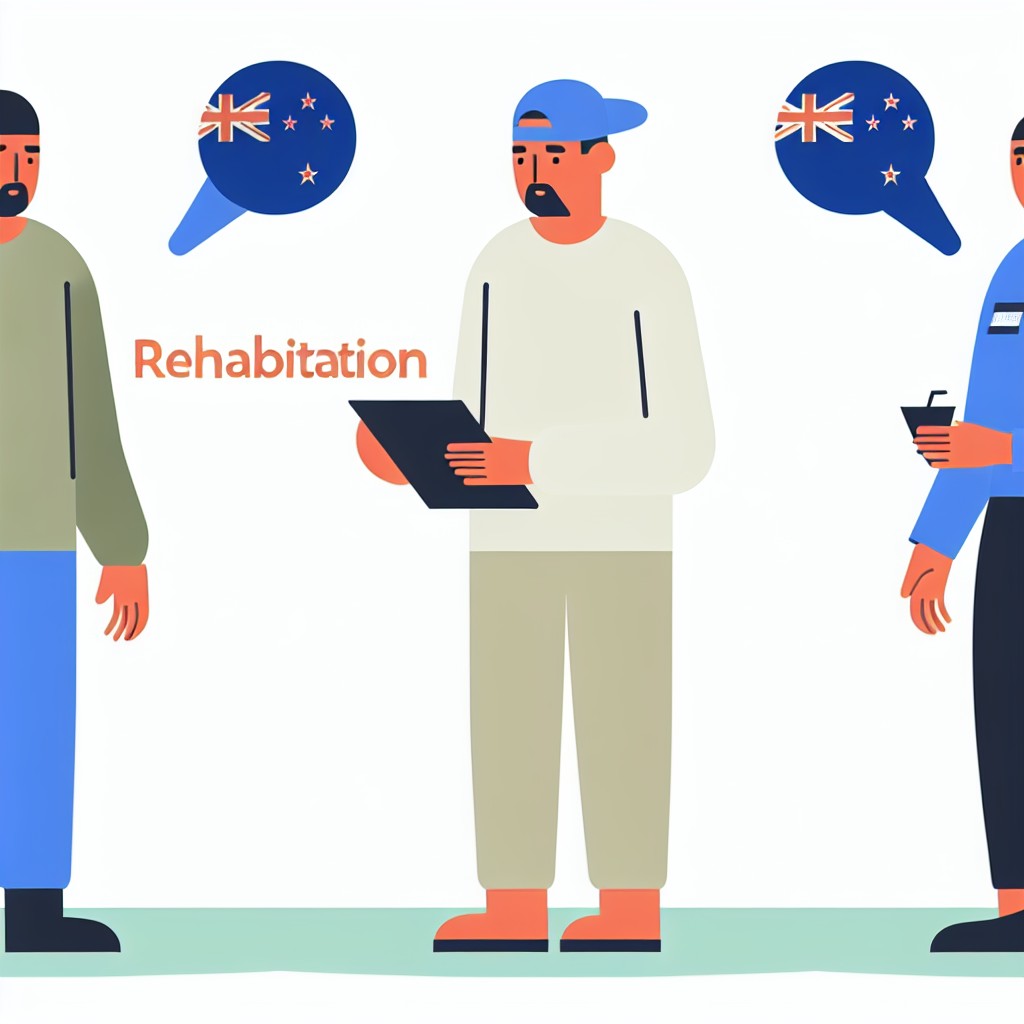
Use of Evidence-Based Practices to Support Offender Behavioral Change
Implementation of Proven Rehabilitation Strategies
Probation officers in New Zealand apply rehabilitation methods grounded in research.
They use techniques validated by psychological and criminological studies.
Moreover, these strategies focus on promoting positive behavioral changes.
For example, cognitive-behavioral therapy helps offenders recognize harmful thought patterns.
Additionally, motivational interviewing encourages individuals to commit to change.
This approach results in more sustainable outcomes for offender rehabilitation.
Individualized Case Management
Probation officers assess each offender’s unique risks and needs thoroughly.
Subsequently, they tailor intervention plans to address those specific factors.
This personalized approach increases engagement and accountability during supervision.
Furthermore, officers collaborate with social workers, psychologists, and community groups.
Such cooperation ensures comprehensive support that addresses mental health and social issues.
Therefore, individualized management strengthens the effectiveness of rehabilitation efforts.
Ongoing Monitoring and Support
Officers continuously monitor offenders’ progress throughout their rehabilitation journey.
They use regular check-ins to evaluate behavioral changes and compliance with conditions.
When challenges arise, officers adjust plans and connect offenders with additional resources.
Consequently, this ongoing support reduces recidivism risks over time.
Probation officers also encourage positive lifestyle changes to reinforce lasting improvements.
In this way, consistent guidance fosters offenders’ successful reintegration into society.
Training and Professional Development of Officers
New Zealand probation officers receive continuous training in evidence-based practices.
This education keeps them informed about the latest rehabilitation research findings.
As a result, officers maintain high standards of professionalism and effectiveness.
The Department of Corrections supports skill-building workshops and seminars regularly.
Thus, officers enhance their capacity to deliver interventions that truly support behavioral change.
Support for Families and Victims During the Rehabilitation Process
Providing Emotional Support to Families
Probation officers recognize the emotional challenges families face during rehabilitation.
They offer guidance to help families cope with stress and uncertainty.
Officers facilitate communication between offenders and their families.
This support strengthens family bonds and encourages positive outcomes.
Probation officers also connect families with counseling services when needed.
Engaging Victims with Sensitivity and Care
Supporting victims remains a crucial aspect of the rehabilitation process.
Officers ensure victims receive timely information about offenders’ progress.
Additionally, they provide opportunities for victims to express concerns safely.
Probation staff coordinate restorative justice programs to promote healing.
This involvement helps victims regain a sense of control and closure.
Coordinating Community Resources for Holistic Support
Probation officers link families and victims to community organizations.
These organizations offer practical help, such as financial or housing assistance.
Moreover, officers collaborate with healthcare providers to address mental health needs.
They advocate for victim support services, including legal advice and advocacy.
Such coordination ensures comprehensive support throughout rehabilitation.
Building Trust and Maintaining Open Communication
Effective rehabilitation relies on trust between officers, families, and victims.
Probation staff maintain transparent communication to foster this trust.
They regularly update families and victims about the rehabilitation process.
Open dialogue helps manage expectations and reduces misunderstandings.
Ultimately, this approach nurtures a supportive environment for all involved.
Addressing Cultural Needs and Incorporating Maori Rehabilitation Frameworks
Importance of Cultural Understanding
Probation officers recognize the importance of cultural understanding in rehabilitation.
They ensure that interventions respect the values and traditions of each individual.
Particularly, they focus on supporting Maori clients according to their unique cultural identity.
Consequently, this approach increases engagement and improves rehabilitation outcomes.
Incorporation of Maori Rehabilitation Frameworks
Maori rehabilitation frameworks emphasize holistic wellbeing and community connection.
One key framework is Te Whare Tapa Wha, which covers four dimensions of health.
These dimensions include physical, mental, spiritual, and family health.
Probation officers integrate this model to create culturally relevant support plans.
Collaboration with Maori Communities
Probation officers actively collaborate with iwi and hapu leaders.
This collaboration helps in tailoring rehabilitation programs to local cultural contexts.
Community involvement fosters a sense of belonging and accountability for clients.
Moreover, it strengthens relationships between probation services and Maori organisations.
Training and Cultural Competency
Officers receive training to build cultural competency and awareness.
This training includes learning about tikanga Maori and effective communication strategies.
Enhanced cultural skills enable officers to support clients with respect and empathy.
Therefore, officers can address complex needs that arise from cultural differences.
Practical Applications in Rehabilitation
Probation officers encourage participation in cultural activities and rituals.
They support access to kaumatua and other Maori mentors during rehabilitation.
Such practices promote identity reaffirmation and personal growth.
Ultimately, this culturally grounded approach assists Maori clients in making positive life changes.
Evaluation of Rehabilitation Outcomes and Adjustment of Strategies
Monitoring Progress and Measuring Success
Probation officers regularly monitor the progress of individuals under their supervision.
They use various tools to measure rehabilitation outcomes effectively.
For example, officers collaborate with local agencies like Te Puni Kokiri.
These collaborations provide valuable data about client progress and challenges.
Moreover, officers collect feedback from clients and community stakeholders.
This feedback helps assess the impact of rehabilitation programs on individual lives.
Additionally, quantitative measures such as recidivism rates are tracked closely.
Tracking these rates assists in understanding the long-term effectiveness of interventions.
Analyzing Challenges and Identifying Barriers
Probation officers analyze any obstacles that impede rehabilitation success.
Common barriers include lack of stable housing or employment opportunities.
Officers address these issues by coordinating support with social service providers.
Furthermore, cultural factors are considered to ensure strategies respect Maori and Pasifika values.
This culturally responsive approach increases engagement and rehabilitation success.
Officers also consider mental health and addiction issues as critical challenges.
They refer clients to appropriate health services to address these underlying problems.
Adapting Strategies for Better Outcomes
Based on evaluations, probation officers adjust rehabilitation plans as needed.
They tailor interventions to fit individual needs and evolving circumstances.
For instance, an officer may increase the frequency of check-ins if risks rise.
Conversely, successful progress can result in reduced supervision intensity.
Officers also integrate new evidence-based practices into their approaches.
They remain flexible to implement innovative programs like cognitive-behavioral therapy.
This flexibility ensures personalized support for sustainable rehabilitation.
Collaboration to Enhance Rehabilitation Efforts
Collaboration with other professionals improves evaluation and strategy adjustment.
Probation officers partner with psychologists, social workers, and iwi representatives.
These partnerships foster a holistic view of an individual’s rehabilitation journey.
Joint case reviews help align resources and coordinate care effectively.
Moreover, officers engage in continuous professional development to refine skills.
This ongoing learning enhances their ability to support complex client needs.
Additional Resources
Formal Review of the Department of Corrections (Corrections)
Career Opportunities | Sorted by Posting Date descending | Harris …