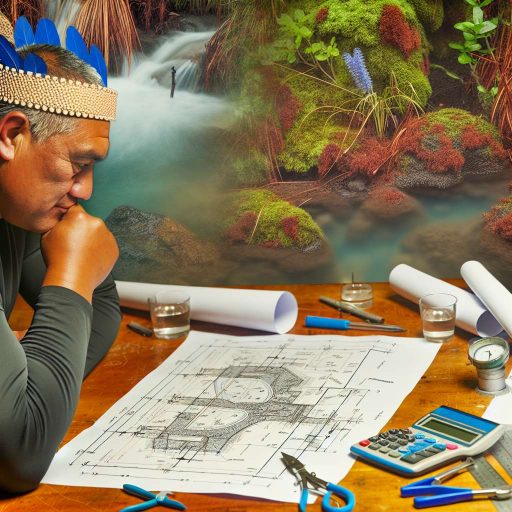




Overview of Environmental Engineering and Its Significance in New Zealand
Defining Environmental Engineering
Environmental engineering involves designing solutions to protect natural resources.
Experts create systems to manage waste, water, and energy sustainably.
This field focuses on reducing pollution and conserving ecosystems effectively.
Importance of Environmental Engineering in New Zealand
New Zealand’s unique landscapes require careful preservation efforts.
Environmental engineers play a vital role in maintaining the country’s biodiversity.
They develop innovative projects that balance development with ecological protection.
Key Areas of Application in New Zealand
Water management is crucial due to the country’s abundant rivers and lakes.
Engineers design treatments to ensure clean drinking water and protect aquatic life.
Waste management systems reduce landfill impact and promote recycling initiatives.
Renewable energy projects contribute to New Zealand’s commitment to sustainability.
Collaborations Driving Environmental Progress
Environmental engineers often work with government agencies like the Ministry for the Environment.
They also collaborate with companies such as EcoStream Innovations for eco-friendly innovations.
These partnerships enhance the effectiveness of environmental protection strategies nationwide.
Key Responsibilities of Environmental Engineers in Protecting Natural Resources
Monitoring and Managing Water Quality
Environmental engineers rigorously monitor New Zealand’s water bodies for pollution.
They develop innovative systems to treat wastewater effectively.
Personalized Career Consulting
Unlock your potential with expert career advice tailored to your goals. Get personalized guidance and actionable steps toward your dream career in New Zealand.
Get StartedMoreover, they design sustainable water management plans to maintain freshwater quality.
By collaborating with local communities, they ensure responsible water use.
Conserving Land and Preventing Soil Degradation
These engineers assess land use impacts on soil health regularly.
They implement soil erosion control strategies on vulnerable sites.
Furthermore, they promote restoration of degraded landscapes through reforestation projects.
They cooperate with agricultural experts to encourage sustainable farming practices.
Protecting Air Quality and Reducing Emissions
Environmental engineers measure air pollutants to identify key emission sources.
They design systems that reduce harmful emissions from industrial activities.
In addition, they advocate for clean energy solutions across urban and rural areas.
They support policies that enforce strict air quality standards nationwide.
Promoting Biodiversity and Habitat Preservation
These professionals evaluate how development projects affect native ecosystems.
They work on habitat restoration initiatives to support New Zealand’s unique species.
They also establish conservation zones to safeguard critical wildlife habitats.
By partnering with conservation groups, they enhance biodiversity protection efforts.
Transform Your Career with a Professional CV and Cover Letter
Stand out to employers with an ATS-optimized resume and tailored cover letter designed to match your dream role. Let us craft your job application materials for success!
Get StartedAdvancing Sustainable Resource Management
Environmental engineers analyze resource consumption to optimize efficiency.
They lead projects that recycle and reuse materials to reduce environmental strain.
Additionally, they integrate renewable resources into infrastructure designs.
They educate stakeholders about responsible resource stewardship and conservation.
How Environmental Engineers Contribute to Sustainable Water Management in New Zealand
Designing Efficient Water Infrastructure
Environmental engineers develop innovative systems to manage water resources effectively.
They design wastewater treatment plants that reduce pollution in waterways.
Moreover, they create stormwater management systems that minimize flooding risks.
These infrastructures protect both urban areas and natural ecosystems.
For instance, engineers at Clearwater Engineering Limited recently upgraded Auckland’s wastewater system.
The new system ensures cleaner discharge and safeguards marine life along the coast.
Protecting Freshwater Ecosystems
Environmental engineers work to preserve New Zealand’s unique freshwater habitats.
They monitor water quality and identify sources of contamination early on.
Additionally, they collaborate with ecologists to maintain healthy river and lake environments.
To illustrate, Rachel Thompson from EnviroSolutions leads projects restoring native fish habitats in the Waikato region.
Boost Your Career with a Standout LinkedIn Profile
Attract recruiters and expand your network with a fully optimized LinkedIn profile tailored to highlight your strengths and professional goals. Let your profile open doors to new opportunities!
Get OptimizedHer team implements natural filtration techniques that improve water clarity and biodiversity.
Promoting Water Conservation Technologies
Engineers advocate and develop water-saving technologies for both industry and households.
For example, they design rainwater harvesting systems that reduce dependence on municipal supply.
Furthermore, they encourage efficient irrigation practices in agriculture to conserve water.
The firm Pacific Water Engineers recently introduced smart irrigation controls for vineyards in Marlborough.
This technology reduces water use without compromising crop quality or yield.
Implementing Sustainable Water Policies
Environmental engineers advise policymakers on sustainable water management strategies.
They provide data-driven recommendations supported by scientific research.
In addition, engineers participate in public consultations to incorporate community input.
The Ministry for the Environment often relies on experts like Daniel Ngai to shape water framework policies.
Such policies balance economic growth with environmental protection.
Collaborating with Indigenous Communities
Engineers engage with Maori iwi to integrate traditional knowledge into water projects.
This partnership respects cultural values while promoting sustainability.
For instance, Ngai Tahu and EcoWater Solutions worked together on restoring the Otakou lagoon.
The project combines engineering and matauranga Maori for holistic water care.
Therefore, this cooperation enhances both environmental and social outcomes.
You Might Also Like: The Path to Becoming a Robotics Engineer in NZ’s Tech Industry
Role in Waste Management and Pollution Control to Preserve Ecosystems
Innovative Waste Management Strategies
Environmental engineers develop innovative waste management strategies to reduce environmental harm.
They design systems that promote recycling and reuse across communities.
Moreover, these engineers collaborate with companies like Southern Eco Solutions to implement green technologies.
Implementing composting and hazardous waste treatment prevents soil and water contamination.
Consequently, waste diversion efforts lessen landfill usage and protect natural habitats.
Advanced Pollution Monitoring and Control
Engineers lead projects that monitor harmful pollutants in air and water.
For example, ClearStream Environmental Services uses cutting-edge sensors to detect contamination early.
By analyzing pollution sources, they develop targeted control measures.
They also advise local governments on minimizing industrial emissions and runoff.
Therefore, these efforts support healthier ecosystems and biodiversity preservation.
Collaboration with Communities and Stakeholders
Environmental experts engage with communities to raise awareness about pollution impacts.
They conduct workshops that explain proper waste disposal and pollution prevention.
Additionally, partnerships with firms like GreenWave Innovations foster sustainable urban development.
This collaboration ensures that environmental policies meet local needs effectively.
Thus, combined actions improve overall ecosystem resilience across New Zealand.
Gain More Insights: The Growing Demand for Electrical Engineers in NZ’s Energy Sector
Use of Innovative Technologies by Environmental Engineers to Minimize Environmental Impact
Advanced Water Management Systems
Environmental engineers in New Zealand develop cutting-edge water management systems.
These systems reduce water waste and improve the quality of freshwater resources.
Moreover, smart sensors monitor water quality in real-time across sensitive ecosystems.
Technologies like these help prevent contamination and support sustainable water use.
For example, EcoFlow Solutions, a Wellington-based company, implements automated irrigation systems to conserve water.
Renewable Energy Integration
Engineers promote renewable energy to lessen reliance on fossil fuels.
They design solar and wind projects tailored to New Zealand’s unique environment.
Consequently, these technologies cut greenhouse gas emissions and protect natural landscapes.
Regional projects led by engineers like Aroha McKenzie focus on blending energy generation with ecological preservation.
Besides reducing pollution, renewable energy supports sustainable community development initiatives.
Waste Reduction and Recycling Innovations
Environmental engineers create innovative waste processing techniques to minimize landfill use.
For instance, bioconversion methods transform organic waste into renewable energy and fertilizers.
Furthermore, companies such as Kiwi Green Tech partner with engineers to advance these solutions nationwide.
These technologies reduce pollution risks and conserve resources vital to New Zealand’s natural beauty.
In addition, smart sorting systems increase recycling efficiency in urban and rural areas.
Eco-Friendly Construction Practices
Engineers advocate for sustainable construction methods that reduce environmental footprints.
They incorporate recycled materials and low-impact designs into building projects.
For example, GreenBuild Innovations collaborates with engineers to develop eco-sensitive infrastructure.
These practices preserve native habitats while supporting urban growth needs.
Consequently, they balance development with the protection of New Zealand’s landscapes.
Monitoring and Data Analytics Technologies
Environmental engineers utilize advanced data analytics to monitor ecosystem health continually.
Remote sensing technologies provide accurate environmental data for better decision-making.
Such innovations aid in early detection of pollution and habitat degradation.
Local firms like TerraScan work alongside engineers to deploy these systems across conservation areas.
Overall, data-driven approaches enhance environmental preservation efforts significantly.
Gain More Insights: Why Water Resource Engineers Are Essential for NZ’s Future
Collaboration with Government and Local Communities for Conservation Projects
Building Strong Partnerships
Environmental engineers actively engage with government agencies to support conservation goals.
They collaborate closely with local councils across New Zealand.
Moreover, engineers establish trust with indigenous groups to respect traditional knowledge.
These partnerships foster shared ownership of environmental initiatives.
Consequently, projects benefit from combined expertise and resources.
Community Involvement and Education
Engineers organize community workshops to raise awareness about environmental protection.
They encourage residents to participate in habitat restoration activities.
Additionally, engineers develop educational materials tailored for local schools.
This involvement empowers communities to take active roles in conservation.
Therefore, long-term environmental stewardship becomes more achievable.
Executing Sustainable Conservation Projects
Environmental engineers design projects that minimize ecological disruption.
They use environmentally friendly technologies to restore natural habitats.
Furthermore, projects often include native plant reforestation and water quality monitoring.
Engineers work alongside local volunteers during fieldwork phases.
Thus, projects align with both scientific standards and community values.
Government Policies and Funding Support
Collaboration with policymakers ensures that projects comply with national environmental regulations.
Engineers help shape policies that promote sustainable resource management.
They also secure government funding for large-scale conservation efforts.
Such support accelerates project implementation and enhances outcomes.
Finally, transparent reporting maintains accountability to stakeholders.
See Related Content: How Software Engineers Are Driving Innovation in NZ’s Tech Scene

Case Studies of Successful Environmental Engineering Projects in New Zealand
Riparian Restoration in the Waikato Region
Environmental engineers led a riparian restoration project along Waikato’s waterways.
The team partnered with local iwi to restore native vegetation near the riverbanks.
This work reduced soil erosion and improved water quality significantly.
Moreover, it created habitats for native fish and bird species.
The project was managed by EcoStream Consultants, a Wellington-based environmental engineering firm.
They used innovative bioengineering techniques to stabilize riverbanks effectively.
Community volunteers also joined efforts, enhancing public engagement and awareness.
Stormwater Management in Christchurch
Christchurch city faced major challenges with stormwater runoff after the 2010 earthquakes.
Environmental engineers designed sustainable urban drainage systems to address flooding.
They introduced rain gardens and permeable pavements throughout residential areas.
This approach decreased pressure on municipal wastewater treatment plants.
Landform Solutions Ltd. led the engineering design, focusing on resilience and sustainability.
Consequently, the project improved urban resilience and water quality in Avon River.
The city’s residents now experience fewer flood events during heavy rains.
Wetland Creation in the Manawatu Estuary
Engineers collaborated with wildlife experts to create a constructed wetland in Manawatu.
The site turned former farmland into a thriving ecosystem supporting migratory birds.
This initiative enhanced natural flood control and filtered agricultural runoff.
It was coordinated by PureWater Engineering, a Rotorua-based consultancy.
Monitoring programs confirmed increased biodiversity and improved sediment retention.
Furthermore, the project received backing from regional councils and conservation groups.
Local schools participate in educational tours, fostering a connection with nature.
Renewable Energy Integration at Lake Taupo
Environmental engineers assessed the feasibility of integrating wind and solar farms near Lake Taupo.
The team balanced clean energy goals with preserving the lake’s scenic environment.
They implemented low-impact construction methods to protect native flora.
GreenTech Innovations spearheaded this project with local Ngati Tuwharetoa guidance.
Energy output increased while maintaining strict ecological safeguards.
Residents welcomed the clean energy benefits without compromising natural beauty.
The project serves as a model for sustainable energy development in sensitive landscapes.
Challenges Faced by Environmental Engineers in Balancing Development and Preservation
Managing Competing Interests
Environmental engineers often encounter conflicting demands from developers and conservationists.
They must carefully weigh economic growth against ecological preservation.
Balancing infrastructure expansion with protection of native wildlife habitats remains difficult.
Differing stakeholder priorities require engineers to mediate and find compromises.
Consequently, engineers collaborate with local communities and government agencies to align goals.
Navigating Regulatory Frameworks
Strict environmental regulations guide engineers in their work across New Zealand.
These laws vary regionally and can be complex to interpret and apply effectively.
Engineers like Oliver Matthews specialize in environmental law compliance within their projects.
Ongoing amendments to policies demand continual learning and adaptation.
Therefore, understanding legal constraints is crucial for sustainable project approvals.
Incorporating Innovative Sustainable Solutions
Environmental engineers strive to integrate cutting-edge green technologies into development plans.
They often face challenges in balancing cost with environmental benefits.
Installing advanced water filtration systems can be expensive upfront but essential long-term.
Engineers must ensure that new technologies do not disrupt existing ecosystems.
Consequently, engineers such as Maya Chen promote adaptive designs that minimize environmental footprints.
Addressing Unforeseen Environmental Impacts
Unexpected ecological consequences arise frequently during large-scale projects.
Engineers must conduct thorough environmental impact assessments before construction begins.
Despite careful planning, some negative effects only become apparent later.
Ongoing monitoring and rapid response strategies are vital to mitigate damage.
Experts like Liam Thompson develop contingency plans to handle such challenges effectively.
Engaging with Indigenous Communities
Respecting Maori values and traditions forms a significant part of environmental engineering projects.
Engineers collaborate closely with iwi representatives to incorporate cultural perspectives.
Effective communication fosters trust and ensures that development respects sacred sites.
This partnership helps achieve solutions balancing cultural preservation and modern needs.
Hence, engineers like Aroha Ngatai champion inclusive project planning processes.
Balancing Urban Growth with Natural Conservation
New Zealand’s expanding cities increase pressure on surrounding natural landscapes.
Environmental engineers design urban infrastructure that minimizes habitat fragmentation.
Green spaces and ecological corridors are integrated into city planning frameworks.
However, accommodating population growth remains a difficult challenge without ecological loss.
Engineers from firms like TerraGreen Solutions lead efforts to create sustainable urban environments.
Overcoming Resource Constraints
Limited funding and materials can restrict the scope of environmental preservation measures.
Engineers must optimize available resources to achieve maximum environmental benefit.
They often prioritize critical habitats or vulnerable species in their project plans.
Collaboration with organizations such as Green Horizons NZ helps secure additional support.
Therefore, innovative budgeting ensures sustainable practices continue despite constraints.
Future Prospects and the Evolving Role of Environmental Engineers in NZ’s Ecological Sustainability
Innovations Driving Sustainable Solutions
Environmental engineers in New Zealand continuously adopt cutting-edge technologies.
They integrate artificial intelligence to predict environmental changes accurately.
Moreover, they employ renewable energy innovations to reduce carbon footprints.
Companies like Clearwater Technologies pioneer eco-friendly water treatment methods.
Such innovations help preserve New Zealand’s unique ecosystems effectively.
Expanding Collaboration with Indigenous Communities
Environmental engineers increasingly collaborate with Maori iwi to respect traditional knowledge.
This partnership enhances sustainable land and water management practices.
For instance, Ngati Whakaue plays an active role in wetland restoration projects.
Joint efforts improve environmental outcomes while honoring cultural values.
Strengthening Policy and Regulatory Impact
Engineers like Dr. Leilani Tane contribute expertise to national environmental policies.
Their insights shape regulations that promote ecological balance nationwide.
Furthermore, they support local councils in enforcing sustainable development guidelines.
This role ensures that projects comply with New Zealand’s strict environmental standards.
Building Resilience Against Climate Change
Environmental engineers design infrastructure to withstand extreme weather events.
They also develop adaptive strategies for coastal erosion and flooding.
Innovative projects by Pacific Shore Engineering reduce vulnerability in exposed regions.
Consequently, they safeguard communities and natural habitats from climate impacts.
Enhancing Education and Public Awareness
Environmental engineers engage in community education programs across New Zealand.
They collaborate with universities like Auckland Institute to train future professionals.
Additionally, public workshops raise awareness on sustainable practices.
These efforts empower citizens to actively participate in ecological preservation.