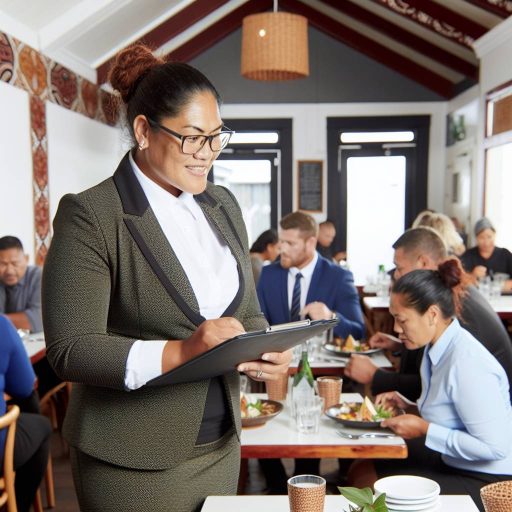




Overview of the Boutique Hospitality Sector in New Zealand
Distinctive Characteristics of Boutique Hospitality
The boutique hospitality sector in New Zealand emphasizes personalized guest experiences.
Compared to larger hotels, boutique venues offer unique and intimate settings.
Many establishments showcase local culture and design in creative ways.
They often operate independently or as part of small, specialized groups.
As a result, they attract travelers seeking authenticity and high-quality service.
Attention to detail defines every aspect of their operations.
From artisanal food to bespoke interior design, each element is carefully curated.
This sector thrives on innovation, blending tradition with modern hospitality trends.
Key Players and Market Presence
Renowned operators like The White Heron Hotel in Hawke’s Bay set high standards.
Other notable examples are Black Barn Vineyards Resort and The Boatshed Motel in Auckland.
These companies reflect the sector’s diversity, from luxury lodges to boutique motels.
Moreover, many boutique venues collaborate with local artisans and suppliers.
They contribute significantly to regional tourism and employment.
Smaller businesses continuously emerge in areas such as Queenstown and Wellington.
These locations offer scenic beauty, attracting visitors year-round.
Personalized Career Consulting
Unlock your potential with expert career advice tailored to your goals. Get personalized guidance and actionable steps toward your dream career in New Zealand.
Get StartedTrends Driving Growth and Opportunities
Consumer demand increasingly favors experiential and customized stays.
Consequently, boutique hospitality businesses adapt quickly to market changes.
The industry benefits from New Zealand’s international reputation for safety and natural beauty.
Additionally, sustainability practices play a crucial role in this sector.
Many venues adopt eco-friendly measures to attract conscious travelers.
This creates new roles in green operations and sustainable management.
Finally, digital marketing and technology integration enhance guest engagement.
These trends open varied career paths for hospitality professionals.
Key Factors Driving the Growth of Boutique Hospitality Careers in NZ
Rising Demand for Unique Guest Experiences
Travelers increasingly seek personalized and authentic experiences in New Zealand.
Boutique hotels focus on tailored services and distinct local culture.
This trend fuels growth in specialized hospitality roles requiring creativity and attention to detail.
Expansion of Boutique Accommodations
New Zealand sees steady growth in boutique lodges, bed and breakfasts, and boutique hotels.
Operators like Southern Haven Retreat and Kauri Valley Escapes lead this boutique expansion.
Such growth creates diverse career opportunities from management to guest relations.
Transform Your Career with a Professional CV and Cover Letter
Stand out to employers with an ATS-optimized resume and tailored cover letter designed to match your dream role. Let us craft your job application materials for success!
Get StartedEmphasis on Sustainability and Local Sourcing
Boutique establishments prioritize eco-friendly operations and sustainable tourism practices.
They also emphasize using local produce and supporting regional communities.
These values drive demand for staff skilled in sustainable hospitality management and sourcing.
Opportunities for Creative and Skilled Professionals
Jobs in boutique hospitality often require unique skills in design, culinary arts, and personalized service.
For example, chefs like Ava Morgan create menus showcasing native ingredients.
Likewise, designers such as Ethan Wells enhance guest spaces with local artistry.
These opportunities attract passionate professionals aiming to innovate within hospitality.
Supportive Industry Networks and Training Programs
New Zealand offers specialized training tailored to boutique hospitality careers.
Institutions like the Wellington Hospitality Institute foster relevant skills and industry connections.
Additionally, networks such as Boutique Hospitality NZ facilitate knowledge sharing and mentorship.
Together, these resources empower career growth in this niche sector.
Emerging Job Roles and Career Pathways within Boutique Hotels and Lodges
Expanding Frontline Hospitality Positions
Boutique hotels in New Zealand increasingly seek passionate guest experience specialists.
Concierge roles now focus on curating unique local experiences for guests.
Receptionists often double as cultural guides, enhancing personalized stays.
Boost Your Career with a Standout LinkedIn Profile
Attract recruiters and expand your network with a fully optimized LinkedIn profile tailored to highlight your strengths and professional goals. Let your profile open doors to new opportunities!
Get OptimizedMoreover, guest relations managers play key roles in building customer loyalty.
These frontline roles require strong communication and local knowledge.
Creative Culinary and Food Service Careers
Boutique lodges prioritize chefs who innovate with regional New Zealand ingredients.
Pastry chefs and baristas gain recognition for enhancing distinctive dining moments.
Front-of-house staff often serve as storytellers about each dish’s origin.
Furthermore, food and beverage managers coordinate bespoke dining experiences for guests.
Team members develop diverse skills in seasonal menus and sustainable sourcing.
Specialized Wellness and Lifestyle Roles
There is rising demand for wellness coordinators within boutique properties.
Spa therapists tailor treatments inspired by local traditions and natural resources.
Yoga instructors and fitness trainers provide personalized session plans to guests.
Additionally, lifestyle concierges offer curated activities, boosting guest satisfaction.
These roles integrate hospitality with holistic wellbeing practices.
Operational and Management Career Paths
Operations managers oversee seamless coordination between departments in boutique hotels.
Revenue managers analyze market trends to optimize pricing strategies.
Sales and marketing specialists create targeted campaigns for niche clientele.
Human resources professionals develop tailored training programs for small teams.
Leadership roles demand versatility, strategic thinking, and a passion for boutique experiences.
Opportunities in Sustainability and Environmental Roles
Boutique properties increasingly employ sustainability coordinators to reduce their footprint.
Waste management officers implement recycling and composting initiatives.
Energy efficiency managers introduce eco-friendly technologies and practices.
Staff training includes education on sustainable hospitality practices.
These positions support New Zealand’s reputation as an eco-conscious travel destination.
Pathways to Build a Career in Boutique Hospitality
Entrants can start as front desk agents or food service assistants.
On-the-job training allows skill enhancement and role diversification.
Many boutique hotels encourage cross-department experience for career growth.
Furthermore, internships with companies like Southern Star Lodges offer valuable exposure.
Professional development programs help staff advance into supervisory and managerial roles.
Networking and Community Engagement
Boutique hospitality workers benefit from local industry events and workshops.
Engagement with indigenous communities helps professionals deliver authentic experiences.
Mentorship from leaders such as Amelia Hart, General Manager of The Kiwi Hideaway, is invaluable.
Collaboration between hotels and local artisans creates unique job opportunities.
Building strong regional connections boosts career prospects and business sustainability.
You Might Also Like: Why Sustainable Tourism Professionals Are Vital in New Zealand
The Importance of Specialized Skills and Personalized Customer Service in Boutique Hospitality
Specialized Skills in Boutique Hospitality
Boutique hospitality demands highly specialized skills to deliver unique guest experiences.
Staff members must master expertise in areas such as mixology.
They also require skills in gourmet cuisine and bespoke event planning.
Moreover, understanding local culture and traditions enhances authenticity in service delivery.
Training in artisanal food preparation and rare beverage knowledge sets employees apart.
Consequently, hospitality professionals grow in their abilities and confidence.
For example, chefs like Rachel Donovan from The Maple Leaf develop signature dishes with local ingredients.
Similarly, sommeliers such as Ethan Monroe create tailored wine pairings for discerning guests.
Personalized Customer Service as a Core Value
Personalized customer service lies at the heart of boutique hospitality success.
Staff prioritize individual guest preferences and create memorable interactions.
They actively listen and anticipate needs before guests express them.
In addition, personalized attention fosters emotional connections and guest loyalty.
Small teams enable staff like Olivia Bennett at Crestview Inn to remember returning guests’ preferences.
They also customize experiences based on special occasions or dietary requirements.
Therefore, personalized service differentiates boutique hotels from larger hotel chains.
Blending Skills and Service to Create Exceptional Guest Experiences
Combining specialized skills with personalized service culminates in exceptional guest experiences.
Team members collaborate closely to ensure seamless and thoughtful service delivery.
For instance, the concierge may arrange exclusive local tours based on guests’ interests.
Meanwhile, front desk staff maintain detailed records to remember guest preferences.
Together, these efforts create a warm and welcoming atmosphere throughout the stay.
Ultimately, this holistic approach helps boutique hospitality careers in New Zealand thrive.
Essential Skills Hiring Managers Look For
Employers seek candidates with strong communication and problem-solving abilities.
They value adaptability in dynamic, intimate hospitality settings.
Knowledge of sustainable and eco-friendly practices is increasingly important.
Experience in digital guest engagement also gives applicants an advantage.
Furthermore, interpersonal skills enhance teamwork and guest rapport.
For example, boutique establishments like Fernwood Retreat prioritize staff who demonstrate genuine empathy.
These qualities drive career growth and establish long-term professional success.
Find Out More: Eco-Tourism Guides: Careers in Protecting NZ’s Natural Beauty
Impact of Tourism Trends on Boutique Hospitality Employment Opportunities
Rising Demand for Unique Travel Experiences
Tourists increasingly seek authentic and personalized travel experiences.
This shift benefits boutique hotels that offer distinctive local charm.
Consequently, demand for skilled hospitality professionals rises sharply.
For example, Willowbrook Suites in Queenstown recently expanded its team.
They require staff skilled in delivering tailored guest services.
Growth of Sustainable and Eco-Friendly Tourism
New Zealand attracts visitors focused on sustainability and environmental care.
Boutique hospitality providers respond by adopting eco-friendly practices.
Therefore, roles focusing on sustainability management are growing quickly.
Seaside Haven Retreat in Wellington hires specialists to lead green initiatives.
This trend creates more diverse job offerings in boutique hotels.
Influence of Domestic Travel Increases
Domestic tourism in New Zealand has surged due to travel restrictions abroad.
Many locals now explore boutique accommodations close to home.
Thus, regional boutique hotels experience higher booking rates.
Riverside Lodge in Rotorua expanded frontline and culinary staff.
This demand expansion opens new job opportunities in smaller hospitality venues.
Technological Advances Affecting Employment Roles
Modern technology integrates seamlessly into boutique hospitality operations.
Smart booking systems and personalized apps enhance customer experience.
Consequently, staff with digital skills are increasingly valued.
Harborview Boutique Hotel in Auckland hires digital marketing coordinators.
This shift requires hospitality workers to develop tech-savvy capabilities.
Diversification of Boutique Hospitality Services
Boutique establishments now offer wellness, culinary, and cultural programs.
This diversification broadens the scope of employment roles available.
Positions such as wellness coordinators and local tour guides are in demand.
Mountainview Inn in Wanaka recently recruited a dedicated wellness therapist.
Therefore, boutique hospitality careers appeal to a wider range of skills and interests.
Networking and Community Engagement Effects
Boutique hotels often emphasize strong community relationships.
That leads to collaborative projects with local artisans and producers.
Such partnerships create new roles managing supplier relations and events.
Bayleaf Boutique Hotel in Napier coordinates regular local art exhibitions.
Thus, employment opportunities include positions blending hospitality and community outreach.
See Related Content: How Chefs Contribute to NZ’s World-Class Culinary Reputation

Training, Education, and Certification Options Relevant to Boutique Hospitality Careers
Specialized Hospitality Training Programs
Boutique hospitality demands tailored skills that general training may not cover.
Several institutes in New Zealand offer specialised courses to develop these skills.
For example, The New Zealand School of Hospitality provides hands-on training focusing on boutique services.
Additionally, Hospitality Excellence New Zealand offers workshops on personalised guest experiences.
These programs enhance skills such as bespoke service, artisanal food preparation, and intimate guest management.
Formal Education Pathways
Many boutique hospitality professionals begin with diplomas or degrees related to hospitality management.
Institutions like WelTec and Nelson Marlborough Institute of Technology deliver relevant diplomas and degrees.
Students learn business operations, customer relations, and hospitality technology applicable to boutique settings.
Furthermore, degree programs often include modules on sustainable tourism and boutique hotel management.
This academic foundation prepares graduates for leadership roles within unique and personalised environments.
Industry Certifications and Credentials
Certifications help validate expertise and commitment to boutique hospitality standards.
The New Zealand Qualifications Authority recognises many industry-specific certificates relevant to the sector.
For instance, the NZ Certificate in Hospitality (Level 4) focuses on guest services and operational skills.
Moreover, the Boutique Accommodation Association offers membership and certification to affirm quality standards.
Obtaining these credentials helps professionals stand out and gain trust from employers and clients.
Continuous Professional Development Opportunities
Boutique hospitality providers encourage ongoing learning to keep up with evolving trends.
Workshops on digital marketing, artisanal food trends, and luxury guest engagement are often available.
Companies such as Artisan Hospitality Solutions run training sessions tailored to boutique operators.
Networking events provide valuable opportunities to exchange best practices and industry insights.
Consistent development strengthens career growth and the ability to deliver exceptional guest experiences.
Apprenticeships and On-the-Job Training
Hands-on experience remains crucial for mastering boutique hospitality skills.
Several boutique hotels and lodges in New Zealand offer apprenticeships and internships.
For example, The Willowbrook Boutique Retreat in Queenstown provides immersive training for hospitality staff.
This practical approach allows learners to apply theoretical knowledge in real-world scenarios.
Consequently, apprentices refine their skills and gain confidence in a specialised setting.
Explore Further: Why Food and Beverage Managers Are Essential to NZ’s Dining Scene
Challenges and Rewards of Working in Boutique Hospitality Settings
Unique Challenges in Boutique Hospitality
Working in boutique hospitality demands high attention to detail.
Staff members often handle multiple roles simultaneously.
This requires flexibility and quick problem-solving skills.
Moreover, boutique venues usually have smaller teams.
Therefore, each employee’s performance directly impacts guest satisfaction.
Adapting to unique guest preferences can also be demanding.
Since these businesses focus on personalized experiences, expectations are high.
Sometimes, resources can be limited compared to larger hotels.
Consequently, staff need to be creative and resourceful.
Rewards of a Boutique Hospitality Career
Boutique hospitality offers a rewarding, intimate work environment.
Employees build strong relationships with guests and colleagues alike.
This connection enhances job satisfaction and personal growth.
Additionally, staff can develop diverse skills thanks to varied responsibilities.
Many boutique businesses, like The Aroha Retreat in Wellington, value team input.
This encourages creativity and innovation within the workplace.
Career progression can be faster due to the smaller organizational structure.
Furthermore, working in New Zealand’s unique settings enriches cultural awareness.
Ultimately, the combination of challenges and rewards shapes a fulfilling career.
Balancing Demands with Personal Fulfillment
Professional resilience is essential to thrive in this sector.
Employees often find motivation in guest appreciation and positive feedback.
Work-life balance can be achieved with supportive management, such as at Lush Bay Boutique Hotel.
Team camaraderie helps staff manage demanding periods effectively.
Training and mentorship programs further enhance employee confidence.
Boutique hospitality careers offer dynamic experiences and personal rewards.
Future Outlook and Long-Term Career Prospects in Boutique Hospitality
Expanding Demand and Industry Growth
The boutique hospitality sector in New Zealand experiences steady growth fueled by tourism.
Local interest also contributes significantly to this growth.
Unique lodging and personalized guest experiences attract diverse clientele nationwide.
Consequently, small businesses like Echowood Suites and Bayview Retreat increase their market share rapidly.
This expansion creates numerous roles in management, customer service, and culinary specialties.
Career Development Opportunities
Professionals can advance quickly by gaining diverse skills within boutique hotels.
This includes lodges and other specialized accommodations.
For instance, Sarah Lewis progressed from front desk receptionist to operations manager at The Fernwood House.
Boutique establishments often promote internal training and cross-functional learning.
These experiences enhance employee versatility and prepare them for senior leadership positions.
Innovation and Technological Integration
Boutique venues increasingly adopt smart technologies for guest services and operations.
Hotels like Harbourlight Inn use mobile apps to streamline check-ins and personalize guest stays.
Staff with digital skills remain in high demand as automation and AI reshape hospitality roles.
Thus, continuous learning and adaptability prove crucial for long-term success.
Entrepreneurial and Freelance Prospects
Many hospitality professionals in New Zealand choose to open boutique bed and breakfasts.
These also include specialized guesthouses offering unique experiences.
Consultants such as Liam O’Reilly assist new ventures with marketing and operational strategies.
Additionally, freelance chefs and event planners find rewarding niches within boutique hospitality.
These career paths offer autonomy and creative freedom alongside financial growth potential.
Commitment to Sustainability and Local Culture
Boutique establishments prioritize eco-friendly practices and authentic cultural experiences.
For example, Tui Gardens incorporates native flora and supports Maori artisans in guest offerings.
This focus appeals to environmentally conscious travelers and encourages community engagement.
Professionals who value sustainability find fulfilling long-term roles in this evolving sector.
Additional Resources
Hey there, what’s up? I’m Nicholas, a 25-year-old Italian passport …
Hospitality industry: All your questions answered (2024 update)