



Overview of Biochemistry and Its Role in Healthcare
Biochemistry links molecular science to patient care.
It informs medical research and clinical practice.
These insights support development of diagnostics and therapies.
Fundamentals of Biochemistry
The discipline examines chemical processes inside living organisms.
Researchers study molecules such as proteins, lipids, and nucleic acids.
Analyzing these molecules reveals how cells perform vital functions.
This insight supports medical research and clinical understanding.
Biochemistry’s Impact on Disease Understanding
Biochemists investigate molecular causes of diseases.
They reveal how genetic and environmental factors interact.
Consequently, researchers identify biomarkers for early diagnosis.
Additionally, this work helps pinpoint targets for drug development.
Role in Developing Medical Technologies
Biochemists collaborate to create innovative medical devices.
For example, they contribute to lab-on-a-chip technology advancements.
These technologies enable rapid and accurate patient testing.
Thus, clinicians can deliver timely and personalized treatments.
Personalized Career Consulting
Unlock your potential with expert career advice tailored to your goals. Get personalized guidance and actionable steps toward your dream career in New Zealand.
Get StartedContributions to New Zealand’s Healthcare Sector
New Zealand biochemists work closely with local hospitals and labs.
They drive projects at companies like MedTech Innovations NZ.
Moreover, experts such as Dr. Amelia Te Rong focus on immunology breakthroughs.
Their efforts lead to improved diagnostics and treatments for Kiwis.
Collaborative Nature of Biochemical Research
Biochemists often partner with clinicians, engineers, and data scientists.
This interdisciplinary teamwork accelerates healthcare innovation.
Institutions like the University of Auckland foster such collaborations.
Consequently, research results translate efficiently into practical solutions.
Future Directions in Biochemistry for Healthcare
Emerging areas include personalized medicine and gene editing.
Researchers apply CRISPR technology to develop novel therapies.
They also explore metabolomics to understand disease metabolism.
Consequently, these advances promise more effective and targeted healthcare.
Key Areas Where Biochemists Impact New Zealand’s Healthcare Sector
Biochemists influence drug development, diagnostics, genomics, vaccines, public health, regenerative medicine, and collaborations.
They partner with researchers and industry to move discoveries toward clinical use.
Transform Your Career with a Professional CV and Cover Letter
Stand out to employers with an ATS-optimized resume and tailored cover letter designed to match your dream role. Let us craft your job application materials for success!
Get StartedFurthermore, each area supports improved patient care and healthcare innovation across New Zealand.
Advancements in Drug Development
Biochemists in New Zealand lead discovery of novel medicines.
They analyze molecular interactions to design effective drug candidates.
Additionally, they work with MedTech Innovations NZ to accelerate development.
Consequently, biochemical research improves drug safety and efficacy profiles.
Enhancing Diagnostic Technologies
Biochemists contribute to developing cutting-edge diagnostic tools.
They optimize biomarkers for early detection of diseases like cancer and diabetes.
For example, Wellington BioLabs introduced new blood tests with higher accuracy.
These advances enable timely interventions and better patient outcomes.
Personalized Medicine and Genomic Research
Biochemists in New Zealand apply genomics to tailor medical treatments.
They decode genetic variations that affect drug responses and disease risks.
KiwiGene Health uses biochemical techniques to develop personalized therapies.
As a result, patients receive treatments matched to their genetic profiles.
Development of Vaccines and Immunotherapies
Biochemical expertise drives creation of vaccines for infectious diseases.
Boost Your Career with a Standout LinkedIn Profile
Attract recruiters and expand your network with a fully optimized LinkedIn profile tailored to highlight your strengths and professional goals. Let your profile open doors to new opportunities!
Get OptimizedScientists study pathogen structures to design effective immunizations.
Teams at Southern Biotech Institute contribute to vaccine research for influenza.
Moreover, biochemists investigate immunotherapies to treat cancers and autoimmune disorders.
Supporting Public Health and Disease Prevention
Biochemists help health authorities identify environmental and biological risk factors.
They analyze biochemical markers tied to toxin exposures and lifestyle diseases.
Furthermore, collaborations with HealthSure NZ inform public health policies.
As a result, preventive measures and screening programs improve community health.
Biochemical Research in Regenerative Medicine
Researchers investigate biochemical pathways to promote tissue repair and regeneration.
They focus on stem cell biology and molecular signaling mechanisms.
Auckland Regenera Labs develops therapies aimed at healing damaged organs.
Consequently, this field offers promise for new treatments of heart disease and spinal injuries.
Collaboration with Healthcare Industry and Academia
Biochemists frequently partner with hospitals, universities, and biotech firms.
These partnerships fuel translational research and clinical applications.
The University of Otago facilitates joint projects with local biotech startups.
Therefore, collaborations accelerate adoption of biochemical discoveries into healthcare solutions.
Moreover, this ecosystem supports innovation and economic growth across New Zealand.
Development of Novel Pharmaceuticals by Biochemists in New Zealand
Biochemists in New Zealand develop novel pharmaceuticals.
They aim to address complex diseases through research and testing.
Collaboration across research groups supports these development activities.
Innovative Research and Discovery
Researchers identify new drug targets for complex diseases.
For instance, Dr. Amelia Carter leads research on neurodegenerative treatments.
Universities partner with biotech firms such as SynPharma NZ to accelerate discovery.
Cutting-Edge Biotechnology and Techniques
Researchers apply CRISPR gene editing for precise biological modifications.
High-throughput screening evaluates thousands of compounds rapidly.
Moreover, scientists use computational modeling to predict interactions and improve safety.
These techniques reduce development time and lower costs.
Collaboration with Healthcare Providers and Industry
Biochemists collaborate with healthcare providers to tailor pharmaceuticals.
Such cooperation ensures medications meet specific patient population needs.
Companies like MedicaGen partner with hospitals to run clinical trials.
Consequently, this partnership helps translate laboratory findings into patient treatments.
Focus on Indigenous and Local Health Challenges
Researchers target diseases that affect New Zealand populations disproportionately.
Maori health specialists lead studies addressing those community needs.
Biochemists develop culturally appropriate medications for these communities.
They emphasize accessibility and affordability during pharmaceutical development.
Ultimately, this approach fosters improved health equity across diverse groups.
Regulatory Approval and Commercialization
Promising compounds undergo rigorous regulatory review before market access.
The New Zealand Medicines and Medical Devices Safety Authority ensures drug safety.
Pharmaceutical companies handle paperwork and compliance for approval processes.
After approval, new medications can reach healthcare markets and patients.
Furthermore, commercialization supports economic growth within the biotech sector.
Uncover the Details: How Environmental Scientists Protect NZ’s Unique Ecosystems
Biochemists’ Contributions to Diagnostic Tools and Techniques
Biochemists contribute to diagnostic tools and techniques across clinical settings.
Their work advances methods for disease detection and patient care.
Consequently, clinicians can use improved tests to make earlier decisions.
Development of Advanced Biomarkers
Dr. Amelia Stewart works at the Wellington Institute and studies protein markers.
Her research helps clinicians detect cancer and cardiovascular disease sooner.
Moreover, MedTech Solutions NZ partners assist with biomarker validation and scaling.
Innovations in Molecular Diagnostic Methods
Dr. Rajesh Kumar leads a team at Auckland Biotech Labs.
They improved PCR-based assays to shorten analysis time and cut costs.
Furthermore, biochemists apply CRISPR to create sensitive and specific diagnostic tests.
Enhancement of Imaging Agents
Jessica Li works at Christchurch Biomedical Research and develops contrast molecules.
Her molecules improve MRI and CT accuracy for detecting abnormalities.
As a result, doctors can visualize disease at earlier stages.
Collaboration with Clinical and Industry Partners
Biochemists collaborate with clinicians to adapt tools for clinical needs.
For example, Dr. Samuel Ng partnered with Southern Health to optimize blood test protocols.
Additionally, Novara Diagnostics NZ helps scale laboratory innovations to hospitals nationwide.
Training and Capacity Building
Biochemists train healthcare staff in emerging diagnostic techniques.
The Otago Biochemical Training Center hosts workshops led by subject experts.
These programs raise laboratory technicians’ skills and improve test reliability.
Consequently, New Zealand’s healthcare delivery benefits from stronger diagnostic capacity.
Find Out More: Why Agricultural Scientists Are Critical to NZ’s Food Security
Advances in Personalized Medicine through Biochemical Research
Advances in biochemical research support personalized medicine.
Researchers and clinicians use molecular findings to refine patient care.
These efforts include sequencing, targeted therapies, biomarkers, and data integration.
Role of Biochemists in Understanding Genetic Variability
At Auckland Biogen Labs, biochemists lead advances in DNA sequencing techniques.
Their sequencing efforts uncover mutations linked to diseases in New Zealand.
Clinicians then identify patient-specific drug responses from these molecular findings.
Development of Targeted Therapies
Biochemical research enables creation of medications that target cellular pathways.
For example, Wellington-based NovaThera develops enzyme inhibitors for rare disorders.
Such targeted therapies reduce side effects compared to conventional drugs.
Additionally, biochemists collaborate with clinicians to test efficacy and safety.
Biomarker Discovery Enhancing Diagnostic Precision
Biochemists identify biomarkers that signal early disease stages or progression.
Consequently, these biomarkers improve diagnostic accuracy and allow earlier intervention.
Canterbury Health Science Institute discovered protein markers linked to aggressive cancers.
Clinicians can monitor treatment responses more closely with these markers.
Integration of Biochemical Data with Healthcare Technologies
Biochemists provide critical data for developing precision healthcare tools.
For example, MedInsight NZ integrates biochemical profiles into artificial intelligence platforms.
This integration supports personalized risk assessments and treatment plans.
Ongoing biochemical research feeds databases that update clinical guidelines regularly.
Training and Collaboration Driving Innovation
Universities such as the University of Otago offer specialized training in biochemical medicine.
Graduates often join biotech startups and foster innovative healthcare solutions.
Regular workshops connect biochemists with medical practitioners to share discoveries.
This dynamic environment promotes continuous advancement in personalized medicine.
Together, these efforts sustain New Zealand’s position at the forefront of healthcare innovation.
See Related Content: Why NZ’s Wine Industry Relies on Soil Scientists
Biochemistry in Tackling Infectious Diseases Specific to New Zealand
New Zealand faces distinctive infectious diseases due to its geographical isolation.
Resistance to antibiotics is a growing challenge in New Zealand’s healthcare system.
These tools enable faster identification of infections, improving patient outcomes and reducing transmission.
Understanding Unique Infectious Threats in New Zealand
Biochemists study pathogens such as Kawasaki disease and rheumatic fever, which affect local communities.
Moreover, emerging infections like Mycoplasma bovis pose significant risks to livestock and public health.
Consequently, understanding these diseases helps in developing targeted treatments and controls.
Development of Innovative Diagnostic Tools
Biochemists contribute by creating sensitive diagnostic assays tailored to New Zealand’s infectious agents.
For instance, Dr. Amelia Turner at the Wellington Institute developed rapid PCR kits for tuberculosis detection.
Additionally, companies like NeoGen Labs produce portable diagnostic devices for use in remote Maori communities.
Advancing Vaccine Research and Development
Biochemical research drives vaccine innovation against diseases prevalent in New Zealand.
Dr. Raj Patel’s team at Southern BioTech focuses on vaccines for meningococcal disease common among local youth.
Furthermore, biochemists collaborate with iwi leaders to ensure vaccine acceptance aligned with cultural values.
Such efforts enhance immunization rates and protect vulnerable populations nationwide.
Designing Novel Antimicrobial Therapies
Biochemists target unique bacterial enzymes to design new antimicrobials effective against resistant strains.
Innovations like peptide-based drugs from KiwiBio Therapeutics offer promising alternatives to traditional antibiotics.
These therapies reduce side effects and slow resistance development, benefiting patients and the healthcare system.
Promoting Community-Focused Research and Outreach
Biochemists actively engage with local communities to address infectious disease concerns.
They conduct workshops in collaboration with Maori health providers to spread awareness about prevention.
In addition, researchers like Laura Chen work closely with Pasifika populations to tailor health interventions.
This inclusive approach ensures that innovations meet the needs of New Zealand’s diverse populations.
Collaborative Efforts with Healthcare and Research Institutions
Partnerships between universities, hospitals, and biotech firms enhance infectious disease research.
The University of Auckland’s Centre for Infection Studies exemplifies such collaboration with clinical trials.
Moreover, public-private partnerships accelerate the translation of biochemical discoveries into healthcare solutions.
Such synergy fosters cutting-edge innovations and strengthens New Zealand’s health resilience against infections.
Explore Further: Why Food Technologists Are Vital to NZ’s Agricultural Economy
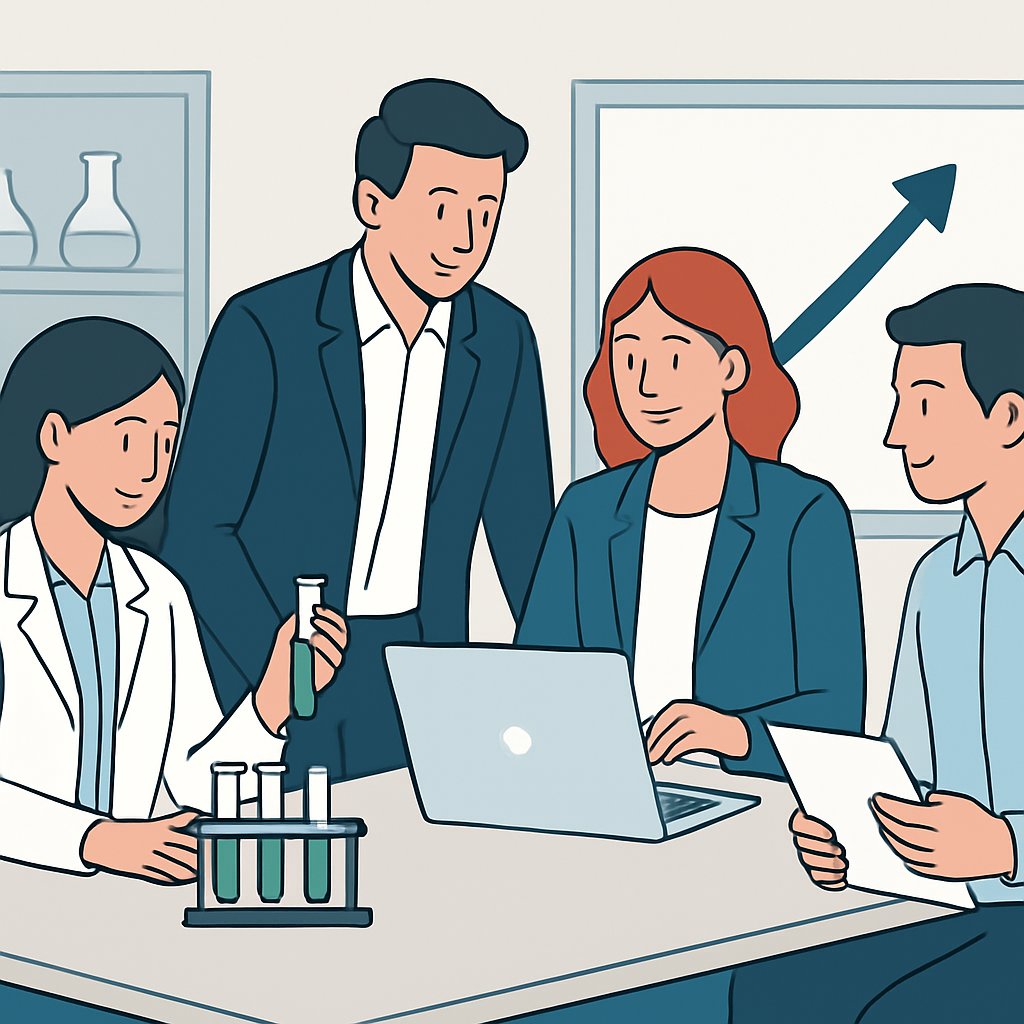
Collaboration Between Biochemists and Medical Professionals in NZ
Biochemists and medical professionals collaborate on research in New Zealand.
This partnership combines laboratory expertise with clinical experience to solve problems.
Consequently, teams accelerate moving discoveries toward patient care applications.
Integrated Research Initiatives
They form multidisciplinary teams to enhance problem solving.
For example, Dr. Aroha Reid partners with cardiologist Dr. Liam Foster to study heart disease.
They examine molecular pathways to identify potential drug targets.
Joint Development of Diagnostic Tools
Biochemists collaborate with clinicians to develop diagnostic technologies.
They analyze biochemical markers to improve disease detection accuracy.
Together they developed rapid blood tests aimed at earlier cancer screening.
Companies such as KiwiBio Labs fund some collaborative projects.
As a result, patients receive faster and more precise diagnoses.
Shared Clinical Trials and Validation
Partners collaborate to run shared clinical trials.
Clinicians recruit patients while biochemists monitor biomolecular changes.
This cooperation supports robust evaluation of candidate therapies.
For example, BioNova Research partners with Auckland Hospital on trial validation.
Moreover, teamwork can strengthen regulatory approval processes.
Educational Partnerships and Knowledge Exchange
Professionals meet in seminars and workshops to share findings.
These forums promote active knowledge exchange about recent advances.
Universities such as the University of Otago support joint training programs.
Furthermore, collaboration motivates students toward scientific and clinical careers.
Consequently, teams cultivate a culture of continuous learning and innovation.
Impact on Patient Care and Public Health
Collaboration contributes to improved patient outcomes across New Zealand.
Tailored treatments emerge from better understanding of biochemical mechanisms.
Moreover, teams support public health initiatives that emphasize prevention.
Experts provide scientific advice to governmental agencies on relevant policies.
As a result, partnerships help drive sustainable healthcare improvements.
Impact of Biochemical Innovations on Public Health Outcomes in New Zealand
Biochemists in New Zealand drive advancements in disease diagnosis.
They develop novel biomarkers to detect illnesses earlier and more accurately.
Consequently, this leads to timely intervention and improved patient care.
Enhancing Disease Diagnosis and Treatment
Innovations from Kiwi biotech companies like NeuTec Biologics exemplify this progress.
Moreover, personalized medicine has become more effective through biochemical research.
For instance, targeted therapies for cancer and autoimmune diseases are more accessible.
Supporting Vaccine Development and Immunotherapy
New Zealand biochemists play a crucial role in vaccine research.
Their work improves vaccine efficacy and safety profiles for diverse populations.
Vaccination campaigns benefit from these innovations, reducing disease prevalence nationwide.
Additionally, immunotherapy advances assist in treating chronic and infectious conditions.
National institutes, including the Malaghan Institute, collaborate on these groundbreaking projects.
These efforts directly enhance public health resilience against emerging threats.
Promoting Nutritional Health and Preventative Medicine
Biochemical research helps understand the link between nutrition and health outcomes.
Experts develop functional foods tailored to New Zealanders’ unique genetic backgrounds.
This reduces risks of lifestyle-related diseases like diabetes and heart conditions.
Furthermore, public health programs leverage these insights to promote wellness.
Companies such as PurePoint Nutrition actively apply biochemical findings in product development.
Hence, preventative medicine gains momentum through continuous biochemical contributions.
Improving Healthcare Accessibility and Efficiency
Innovations in biochemistry streamline diagnostic procedures across healthcare facilities.
Rapid tests for infections and metabolic disorders now reach rural and underserved areas.
Through better diagnostic tools, healthcare providers deliver accurate treatments faster.
Additionally, automation of biochemical assays reduces operational costs and human error.
Organizations like KiwiBioLabs design portable devices enhancing community health services.
Collectively, these innovations expand access and improve healthcare equity in New Zealand.
Training and Career Pathways for Biochemists in New Zealand’s Healthcare System
This document outlines training and career pathways for biochemists in New Zealand.
It focuses on education, specialization, and professional development within healthcare settings.
The aim is to describe pathways using only the provided details.
Academic Foundations and Early Education
Students typically complete a bachelor’s degree in biochemistry or related fields.
Universities such as the University of Auckland and Otago offer strong science programs.
Undergraduates undertake practical laboratory work to build essential laboratory skills.
Advanced Studies and Specialization
Biochemists often pursue postgraduate degrees to specialize and deepen expertise.
Additionally, Victoria University of Wellington provides master’s and doctoral research opportunities.
Students may focus on molecular biology, pharmacology, or clinical biochemistry.
Hands-On Training and Industry Experience
Practical experience in hospitals and research laboratories supports career advancement.
Auckland District Health Board offers placements to emerging biochemists.
Collaborations with companies such as MedTech Solutions expose trainees to new technologies.
Professional Development and Certification
Biochemists engage in continuous learning to stay current with medical science.
The New Zealand Society for Biochemistry provides workshops and conferences.
Professionals may pursue clinical biochemistry certification to enhance credibility.
Career Opportunities within the Healthcare System
Biochemists find roles in diagnostic laboratories, pharmaceutical companies, and academic research.
Some professionals join public health organizations focused on disease prevention and management.
Companies such as BioInnovate NZ recruit biochemists for healthcare solution development.
Mentorship and Support Networks
Mentorship guides biochemists through career development.
Experienced professionals like Dr. Claire Thompson offer guidance to new graduates.
Support networks provide resources, advice, and opportunities across New Zealand.
Emerging Technologies Transforming Biochemical Research
Biochemists increasingly use CRISPR technology to edit genes precisely.
Artificial intelligence enhances data processing in molecular research.
Biochemical research supports designing therapies suited to individual genetic profiles.
Advanced Genomic Techniques
This innovation accelerates the development of targeted therapies in New Zealand.
Moreover, gene editing improves diagnostics for rare genetic disorders.
Ngati Biotech, a Wellington-based company, pioneers gene therapies tailored to Maori populations.
Artificial Intelligence in Biochemical Analysis
It helps identify complex biomarkers faster and with greater accuracy.
AI-driven models assist in drug discovery by predicting interactions.
For instance, Auckland’s Helix AI integrates biochemical and clinical data to innovate treatments.
Personalized Medicine Advances
This approach increases treatment effectiveness and minimizes side effects.
Companies like BioMana apply personalized medicine to combat chronic illnesses prevalent in New Zealand.
Consequently, patient outcomes improve significantly through tailored biochemical interventions.
Integration of Biochemistry with Healthcare Systems
Integration efforts focus on translating laboratory advances into clinical tools.
Researchers and clinicians collaborate to develop diagnostics used across hospitals.
Partnerships with regional hospitals support identification of cancer biomarkers.
Collaboration with Healthcare Providers
Biochemists work closely with clinicians to translate laboratory findings into practice.
They contribute to developing diagnostic tools used in hospitals nationwide.
Furthermore, collaborative projects with Waikato Hospital enhance cancer biomarker identification.
Development of Point-of-Care Testing
Biochemists create rapid testing kits for remote and underserved regions.
These kits enable early disease detection and prompt treatment initiation.
For example, KiwiMed Innovations develops portable biochemical sensors for rural health centers.
Strengthening Public Health through Biochemical Research
Ongoing biochemical studies inform vaccine development against emerging infectious diseases.
The University of Otago leads research programs targeting respiratory viruses unique to NZ.
Such initiatives prepare the healthcare system for future public health challenges.
Future Directions Shaping New Zealand’s Medical Landscape
Future directions emphasize sustainable practices in biochemical manufacturing.
Education and workforce expansion remain priorities to meet healthcare innovation needs.
International partnerships aim to increase research impact and support clinical trials.
Focus on Sustainable Biochemical Practices
Researchers emphasize reducing environmental impact in biochemical manufacturing.
This includes using biodegradable materials and green chemistry techniques.
The startup PureBio NZ champions sustainable production of biochemical reagents.
Expansion of Biochemical Education and Workforce
Universities increase biochemistry program enrollment to meet healthcare demands.
Scholarships encourage indigenous students to pursue biochemical research careers.
Consequently, a skilled workforce will support growing healthcare innovation needs.
Global Partnerships Enhancing Research Impact
Biochemists form alliances with international institutions to share knowledge.
These partnerships boost New Zealand’s position in global healthcare innovation.
For instance, collaborations with the Max Planck Institute accelerate clinical trials locally.