



Introduction to Agricultural Science
Defining Agricultural Science
Agricultural science explores methods to improve farming and food production.
It combines biology, chemistry, and environmental science to enhance crops and livestock.
Moreover, it helps develop sustainable practices that protect natural resources.
The Role of Agricultural Scientists in New Zealand
Agricultural scientists like Dr. Eleanor Masters lead research to boost New Zealand’s food supply.
They work with companies such as GreenFields Research to innovate farming technologies.
Through field trials and lab experiments, these experts solve complex agricultural challenges.
Key Areas of Focus
Agricultural scientists improve crop yields by developing pest-resistant plant varieties.
They also optimize livestock health to increase dairy and meat production efficiently.
Additionally, soil management and water conservation remain vital aspects of their work.
For example, improving irrigation techniques helps farmers cope with climate variability.
Impact on Food Security
These scientists ensure a steady and safe food supply for New Zealand’s population.
They address threats such as pests, diseases, and environmental changes proactively.
By advancing agricultural knowledge, they contribute directly to national food resilience.
Therefore, their expertise supports both domestic markets and New Zealand’s export economy.
Overview of New Zealand’s Food Security Challenges
Climate Change Impact on Agriculture
New Zealand’s agricultural sector faces increasing threats from climate change.
Personalized Career Consulting
Unlock your potential with expert career advice tailored to your goals. Get personalized guidance and actionable steps toward your dream career in New Zealand.
Get StartedErratic weather patterns disrupt crop production and livestock health.
Moreover, rising temperatures affect soil moisture and nutrient cycles.
Therefore, adaptation strategies must address these evolving environmental conditions.
Population Growth and Food Demand
The country’s population steadily grows, increasing demand for food.
Urban expansion reduces available farmland, pressuring existing agricultural resources.
Consequently, farmers must produce more food on less land.
Innovative farming techniques are essential to meet this growing demand sustainably.
Biosecurity Risks and Pest Management
Biosecurity threats pose severe risks to food supply chains.
Invasive pests and diseases can devastate crops and livestock quickly.
Effective monitoring and rapid response reduce these risks significantly.
Collaboration between scientists and farmers strengthens New Zealand’s biosecurity measures.
Economic Pressures on Farmers
Farmers face fluctuating market prices that impact profitability.
High input costs strain production efficiency and sustainability.
Government policies and global trade dynamics add uncertainty to farming operations.
Transform Your Career with a Professional CV and Cover Letter
Stand out to employers with an ATS-optimized resume and tailored cover letter designed to match your dream role. Let us craft your job application materials for success!
Get StartedSupport from agricultural scientists helps optimize resources and improve resilience.
Technological Innovation and Sustainability
Embracing technology is vital to overcoming food security challenges.
Advances in precision agriculture enhance productivity while reducing environmental impact.
Renewable energy and waste management improve farm sustainability.
Hence, scientific research drives the adoption of cutting-edge agricultural solutions.
The Contribution of Agricultural Scientists to Sustainable Farming Practices
Advancing Soil Health and Fertility
Agricultural scientists develop methods to improve soil quality effectively.
They study nutrient cycles and recommend sustainable fertilization techniques.
By enhancing soil fertility, they help farmers increase crop yields sustainably.
Additionally, experts like Dr. Emma Coventry work with local farms to implement soil conservation strategies.
These strategies reduce erosion and maintain soil structure over time.
Innovating Water Management Techniques
Efficient water use is critical for sustainable farming.
Researchers such as Liam Rutherford design irrigation systems that minimize water waste.
They also explore crop varieties that require less water.
Furthermore, these innovations help farms adapt to changing climate patterns.
Boost Your Career with a Standout LinkedIn Profile
Attract recruiters and expand your network with a fully optimized LinkedIn profile tailored to highlight your strengths and professional goals. Let your profile open doors to new opportunities!
Get OptimizedWater management research supports New Zealand’s efforts in drought resilience and sustainability.
Promoting Integrated Pest Management
Agricultural scientists encourage strategies that reduce chemical pesticide use.
They collaborate with companies like GreenGrow Solutions to develop biological control agents.
This approach protects crops while preserving beneficial insect populations.
It also reduces environmental contamination and fosters ecological balance.
Farmers benefit from healthier ecosystems and lower input costs accordingly.
Supporting Climate-Resilient Farming Practices
Researchers analyze climate impacts to guide adaptive farming methods.
Dr. Sophie Wellington works on breeding crops tolerant to extreme weather conditions.
They also recommend diversified cropping systems to spread risk effectively.
These measures increase farm resilience amid climate variability.
Moreover, they contribute to long-term food security throughout New Zealand.
Facilitating Knowledge Transfer and Farmer Education
Agricultural scientists play a key role in educating farmers about sustainable methods.
Institutions like the New Zealand Institute of Agricultural Science organize workshops and field days.
They encourage farmers to adopt best practices based on scientific research.
Effective knowledge transfer accelerates the transition to sustainable agriculture nationwide.
This collaborative effort fosters innovation and continual improvement in farming systems.
Discover More: Why NZ’s Wine Industry Relies on Soil Scientists
Innovations in Crop and Livestock Management Led by Agricultural Scientists
Advances in Crop Breeding and Genetics
Agricultural scientists at Lincoln Agritech develop new crop varieties adapted to New Zealand’s climate.
They use gene-editing techniques to enhance crop resilience and yield.
Moreover, these innovations help crops withstand pests, diseases, and extreme weather.
Dr. Emma Langley leads a team focusing on drought-resistant wheat strains for dry regions.
In addition, scientists collaborate with local farmers to field-test improved seeds.
Precision Agriculture Technologies
Farmers benefit from smart sensors that monitor soil moisture and nutrient levels in real time.
AgriTech Solutions Ltd. designs drone systems that provide aerial crop health assessments.
These technologies allow targeted fertilizer and water applications, reducing waste.
Consequently, crop productivity increases while protecting the environment.
Dr. Michael Rutherford emphasizes the role of data analytics to optimize farm decisions daily.
Enhanced Livestock Management Practices
Scientists improve animal health by developing vaccines against common livestock diseases.
For example, AgVet Research Institute enhanced a vaccine controlling bovine respiratory illness.
Experts also advance breeding programs to improve milk quality and meat production.
Furthermore, automated systems now monitor livestock well-being using wearable sensors.
Sarah Thompson, a livestock specialist, promotes precision feeding techniques to reduce feed costs.
Sustainable Farming Methods
Researchers advocate for crop rotation and cover cropping to maintain soil fertility.
These methods reduce reliance on synthetic fertilizers and improve soil structure.
Additionally, integrated pest management minimizes chemical pesticide use.
Scientists work closely with regional councils to promote water-efficient irrigation practices.
This approach supports long-term productivity and environmental sustainability in farming systems.
Collaborative Innovation and Farmer Engagement
Agricultural scientists actively engage with farming communities across New Zealand.
Workshops led by Dr. Helen Fraser help farmers apply cutting-edge research on their land.
Moreover, public-private partnerships accelerate the adoption of innovative technologies.
Farmers contribute valuable feedback that shapes practical and effective solutions.
This collaboration strengthens New Zealand’s food security through continuous innovation.
Learn More: Why Food Technologists Are Vital to NZ’s Agricultural Economy
How Agricultural Research Supports Climate Change Adaptation in NZ Agriculture
Developing Climate-Resilient Crops and Livestock
Agricultural researchers in New Zealand develop crops and livestock that withstand changing climates.
Dr. Helena Tuwhare from AgriNova Genetics leads efforts to breed drought-tolerant wheat varieties.
Additionally, scientists enhance livestock breeds to resist heat stress and disease outbreaks.
These innovations help farmers maintain productivity despite unpredictable weather conditions.
Improving Soil and Water Management Practices
Research focuses on optimizing soil health to increase resilience against climate impacts.
Lincoln Environmental Sciences collaborates with farmers to implement water-efficient irrigation techniques.
Furthermore, studies promote cover cropping and no-till farming to reduce erosion.
Such methods preserve vital soil nutrients and improve water retention during droughts.
Predictive Tools and Climate Monitoring
Agricultural scientists develop advanced tools to forecast climate risks for farmers.
The National Institute of Agricultural Studies uses satellite data to monitor regional weather patterns.
Consequently, farmers receive early warnings about potential droughts, floods, or pest outbreaks.
This information enables timely decisions that reduce crop losses and increase resilience.
Supporting Sustainable Farming Systems
Research promotes diversified farming systems to spread risk and conserve resources.
Dr. Michael Reid advocates integrating agroforestry and mixed cropping into traditional farms.
This approach strengthens food production and enhances ecosystem services under climate stress.
Moreover, it supports nutrient cycling and biodiversity, key components for adapting to change.
Collaboration Between Scientists and Farmers
Effective climate adaptation requires strong partnerships between researchers and farmers.
Organizations like KiwiGrower Trust facilitate knowledge exchange and field trials across the country.
Farmer input guides research toward practical, locally relevant solutions for climate challenges.
Such collaboration accelerates adoption of adaptive practices and technologies nationwide.
Find Out More: The Role of Marine Biologists in Preserving NZ’s Coastal Life
The Role of Agricultural Scientists in Enhancing Food Quality and Safety
Innovations in Crop Improvement
Agricultural scientists develop improved crop varieties with enhanced nutritional value.
These innovations reduce the risk of nutrient deficiencies in the population.
Moreover, researchers like Dr. Alistair McKinnon at FreshGrowth Labs focus on natural biofortification.
Consequently, these efforts produce crops resistant to pests and diseases.
Improved crops lead to safer food supplies by minimizing pesticide residues.
Ensuring Food Safety Through Rigorous Testing
Scientists conduct thorough testing to detect contaminants in food products.
For instance, teams at KiwiSafe Analytics regularly analyze food samples for toxins.
This testing prevents harmful substances from entering the food chain.
Additionally, agricultural experts identify microbial hazards such as Salmonella and E. coli.
As a result, they implement control measures to stop outbreaks.
Developing Sustainable Farming Practices
Experts encourage sustainable methods that reduce chemical use and environmental impact.
Dr. Emily Harding of Southern Agro Research advocates integrated pest management.
This approach improves food safety by reducing harmful residues on crops.
Furthermore, sustainable practices protect soil and water quality.
These efforts maintain long-term agricultural productivity and food security.
Collaboration With Industry and Regulators
Agricultural scientists work closely with food producers and government agencies.
They help establish safety standards and quality assurance protocols.
For example, AgriFuture Consulting partners with the Ministry for Primary Industries.
This collaboration enhances traceability and accountability in food production.
Thus, they strengthen consumer confidence in New Zealand’s food exports.
Find Out More: Wildlife Researchers in NZ: Careers Dedicated to Conservation
Collaboration Between Agricultural Scientists and Maori Food Systems
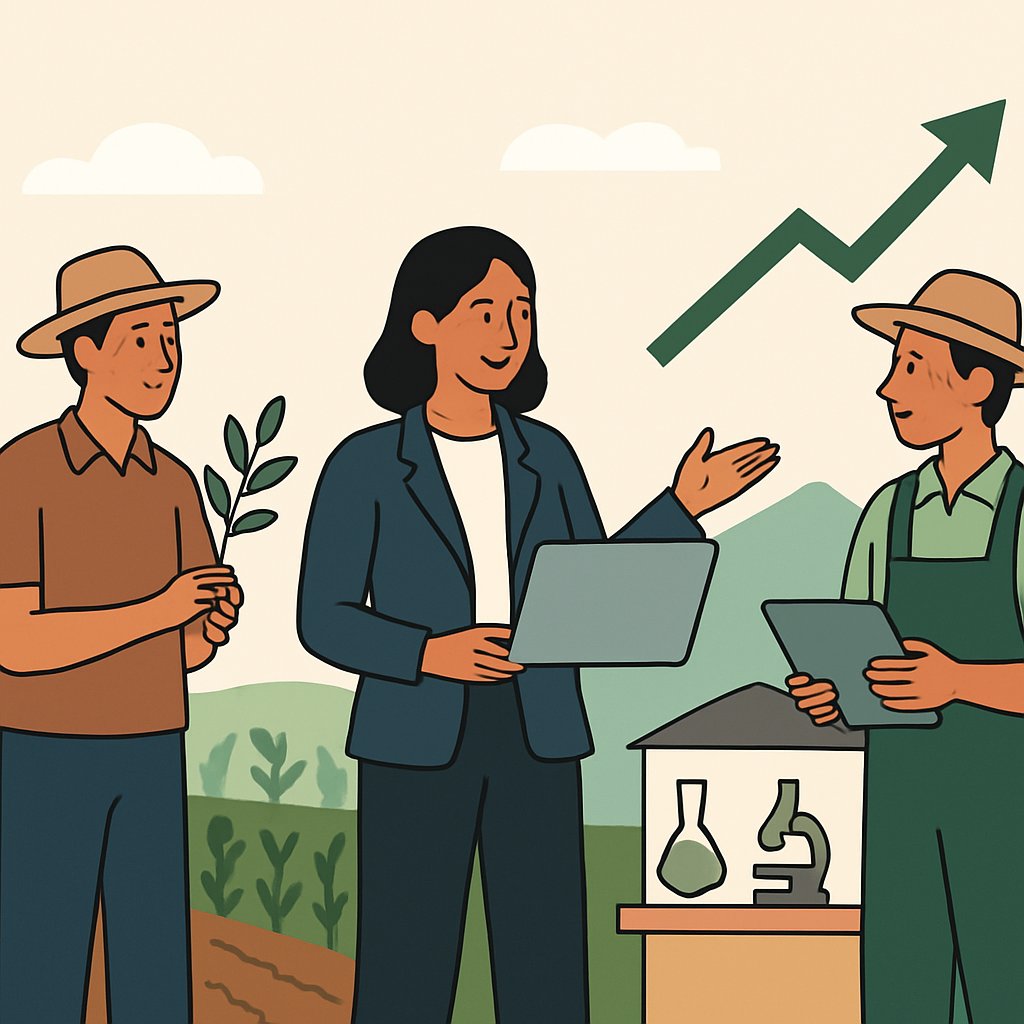
This content describes partnerships between scientists and Maori communities.
It highlights respectful engagement and shared outcomes.
Additionally it provides examples and shows long term relationship building.
Respecting Traditional Knowledge
Scientists engage respectfully with Maori communities to learn traditional food practices.
For example, Dr. Mereana Rangi works directly with iwi to integrate cultural insights.
Such engagement values indigenous knowledge alongside scientific methods.
Co-Developing Innovative Agricultural Solutions
Scientists and Maori leaders co-create techniques suited to local environments.
Researchers from Manaaki Whenua Landcare Research collaborate with hapu representatives.
Together they develop solutions that improve yields while respecting cultural values.
Supporting Maori Food Sovereignty
The partnership reinforces Maori control over local food systems.
Agricultural scientists provide tools and knowledge that support local decision making.
This approach aligns with Te Tiriti o Waitangi principles and tino rangatiratanga.
Case Studies of Successful Collaborations
Several case studies demonstrate practical outcomes of these partnerships.
They show habitat restoration, native crop cultivation, and product quality improvements.
Community economic benefits also arise from these projects.
- Revitalizing Koura Farming: Scientists helped Ngati Ranginui refine sustainable freshwater crayfish farming.
- Native Plant Cultivation in Taranaki: Victoria University scientists partnered with Taranaki hapu to enhance native food crops.
- Manuka Honey Research: Massey University and local Maori suppliers advanced Manuka honey quality control.
Building Long-Term Relationships
Trust forms the foundation of effective partnerships between scientists and Maori communities.
Long term engagement enables continuous learning and adaptation of food strategies.
Leaders such as Dr. Hemi Tane emphasize whakawhanaungatanga in research.
Economic Impact of Agricultural Science on New Zealand’s Food Industry
Agricultural science drives innovation in New Zealand’s food industry.
Researchers develop farming techniques that improve productivity and stabilize food production.
These scientific advances also reduce production costs for food businesses.
Driving Innovation in Agricultural Practices
Agricultural scientists develop farming techniques that improve productivity.
For example, researchers at Canterbury AgriTech introduced drought-resistant wheat varieties.
These varieties help farmers such as James McAllister increase crop yields efficiently.
Enhancing Export Competitiveness
New Zealand relies heavily on food exports for economic growth.
Agricultural scientists ensure exported products meet high-quality standards.
For example, Landcare Innovations in Hamilton works to optimize milk quality.
Supporting Rural Economies and Employment
The food industry is one of the largest employers in rural regions.
Scientific advancements create new job opportunities in farming and food processing.
For instance, organic pest control development opened careers for many workers.
Reducing Environmental and Economic Risks
Agricultural research mitigates risks from climate change and natural disasters.
Scientists like Dr. Emma Sinclair design strategies to safeguard crops from pests and floods.
These preventive measures minimize financial losses for farmers and businesses.
Investing in Sustainable Growth
Government and private sectors invest in agricultural science innovations.
For example, Agrivance Research Foundation funds projects that improve soil health.
This investment creates long-term economic benefits while preserving farming resources.
Future Prospects: Emerging Technologies and the Continued Importance of Agricultural Scientists
Emerging technologies revolutionize how New Zealand farms operate.
Precision agriculture enables targeted use of water, fertilizers, and pesticides.
These technologies require expert knowledge to adapt them successfully.
Innovations Driving New Agricultural Practices
For example, farm management company AgriTech Solutions implements drone surveillance effectively.
Moreover, automated machinery reduces labor costs and increases efficiency.
Therefore, agricultural scientists play a central role in guiding adoption.
Genomic Research Enhancing Crop and Livestock Resilience
Genomic advances provide new ways to improve plant and animal traits.
Lincoln University’s Crop Genetics team, led by Dr. Mia Richards, makes breakthroughs in drought tolerance.
AgResearch develops disease-resistant livestock breeds adapted to New Zealand’s climate.
Such innovations strengthen food security by stabilizing production under changing conditions.
Data Analytics and Artificial Intelligence in Farming
Big data and AI tools offer farmers actionable insights for decision-making.
Companies like KiwiAg Innovations use AI algorithms to predict crop yields accurately.
Also, data analytics improve supply chain management and reduce food waste.
Agricultural scientists help interpret data, ensuring practical and safe applications.
Consequently, scientific expertise bridges the gap between technology and farming practices.
Environmental Challenges and Sustainable Solutions
Climate change and environmental pressure demand sustainable farming approaches.
Researchers such as Professor Anika Thompson develop soil conservation techniques to reduce erosion.
Sustainable intensification increases productivity while preserving natural resources.
Additionally, scientists design practices that mitigate greenhouse gas emissions from agriculture.
Therefore, their role grows in importance as environmental challenges escalate.
Collaboration Between Scientists, Farmers, and Industry
Effective collaboration accelerates the deployment of innovative technologies.
Organizations like New Zealand Agricultural Science Network foster partnerships across sectors.
Farmers benefit from tailored advice and scientific feedback during implementation.
Likewise, scientists gain insights to refine their research priorities.
Together, they build resilient food systems to secure New Zealand’s future.