



Role of Art Curators in Collecting and Preserving New Zealand’s Indigenous and Contemporary Artworks
Collecting Indigenous Artworks
Art curators actively seek artworks that represent New Zealand’s indigenous heritage.
They collaborate with Maori artists and communities to acquire meaningful pieces.
Moreover, they ensure cultural protocols and tikanga are respected during acquisition.
Curators carefully document the stories and histories behind these indigenous artworks.
This documentation helps preserve cultural significance for future generations.
In addition, art curators work with iwi leaders to protect taonga and sacred objects.
Preserving Contemporary New Zealand Art
Curators collect works from emerging and established contemporary New Zealand artists.
They recognize the evolving cultural identity reflected through modern artistic expressions.
Furthermore, curators maintain proper conservation techniques for diverse artworks.
Ensuring artworks’ longevity supports accessibility for current and future audiences.
Curators also organize exhibitions highlighting New Zealand’s diverse creative voices.
Bridging Indigenous and Contemporary Art
Art curators create dialogues between indigenous traditions and contemporary practices.
They encourage collaborations that celebrate cultural fusion and innovation.
This approach strengthens New Zealand’s unique artistic landscape and identity.
Curators foster public understanding through educational programs and community engagement.
Personalized Career Consulting
Unlock your potential with expert career advice tailored to your goals. Get personalized guidance and actionable steps toward your dream career in New Zealand.
Get StartedConsequently, they deepen appreciation for both heritage and new artistic directions.
Supporting Cultural Identity Through Art Conservation
Curators safeguard artworks as vital links to New Zealand’s cultural history.
They evaluate environmental factors in galleries to protect sensitive materials.
Additionally, digital archiving ensures broader access and long-term preservation.
Art professionals develop policies respecting indigenous ownership and cultural rights.
Thus, curators play an essential role in upholding New Zealand’s cultural identity through art care.
How Curators Contribute to the Documentation and Interpretation of Maori Cultural Heritage
Preserving Tangata Whenua Narratives
Curators play a vital role in preserving Maori stories and histories.
They collaborate closely with iwi and hapu to gather accurate oral traditions.
Through respectful consultation, curators ensure narratives reflect authentic perspectives.
Moreover, they document these stories in various formats to protect them.
This process helps maintain the living connection between Maori communities and their heritage.
Authentic Representation Through Exhibitions
Curators design exhibitions that highlight Maori cultural values and symbolism.
They work with artists like Raukura Te Aho to include culturally significant artworks.
Additionally, they incorporate traditional knowledge to enhance interpretive texts.
Transform Your Career with a Professional CV and Cover Letter
Stand out to employers with an ATS-optimized resume and tailored cover letter designed to match your dream role. Let us craft your job application materials for success!
Get StartedThis approach educates visitors about Maori worldview and tikanga.
As a result, exhibitions foster greater cultural understanding and respect.
Collaborative Research and Documentation
Curators engage in research partnerships with Maori scholars and elders.
These collaborations ensure documentation honors Maori epistemologies and protocols.
Using oral histories, artifacts, and language resources, curators build comprehensive archives.
They also employ digital technologies to preserve fragile taonga more effectively.
Consequently, these efforts safeguard Maori heritage for future generations.
Championing Maori Language and Art Forms
Curators promote the use of te reo Maori within collections and displays.
They support revitalization by presenting traditional waiata, carving, and weaving.
Staff like Mereana Ratima create programmes to teach cultural practices onsite.
This inclusive practice nurtures community pride and cultural continuity.
Furthermore, it helps bridge generational gaps in transmitting Maori knowledge.
Ethical Stewardship and Cultural Sensitivity
Curators uphold principles of manaakitanga when handling Maori taonga.
They follow tikanga guidelines to protect spiritual and cultural values.
Boost Your Career with a Standout LinkedIn Profile
Attract recruiters and expand your network with a fully optimized LinkedIn profile tailored to highlight your strengths and professional goals. Let your profile open doors to new opportunities!
Get OptimizedFor instance, sensitive items are stored and displayed according to iwi wishes.
Also, curators advocate for indigenous rights within museum frameworks.
Therefore, their ethical leadership supports reconciliation and cultural dignity.
The Impact of Curated Exhibitions on Promoting National Identity and Cultural Diversity
Celebrating National Identity Through Art
Curated exhibitions showcase artworks that reflect New Zealand’s unique cultural heritage.
They highlight stories that celebrate the nation’s history and achievements.
Consequently, audiences connect with shared values and collective memories.
Curators like Emma Heke carefully select pieces that express Māori traditions and Pākehā influences.
This thoughtful curation nurtures pride and awareness among New Zealanders.
In addition, exhibitions often involve community participation to deepen cultural engagement.
Encouraging Cultural Diversity and Inclusion
Curators actively promote diverse artistic voices within New Zealand’s multicultural society.
They include works from Pasifika, Asian, and immigrant artists alongside indigenous creations.
This representation fosters mutual respect and understanding across communities.
Moreover, exhibitions spark dialogue on contemporary social issues and cultural evolution.
The Auckland Art Gallery’s diverse showcases exemplify this inclusive approach.
By doing so, curators help build a more cohesive and empathetic society.
Role of Curated Exhibitions in Education and Awareness
Exhibitions serve as vital educational platforms for schools, tourists, and locals.
Curators design interpretive materials to explain cultural significance clearly.
For example, Christchurch’s Gallery Curator Sophie Martin develops programs for youth engagement.
This approach increases awareness about New Zealand’s rich cultural tapestry.
Furthermore, exhibitions encourage critical thinking about identity and heritage preservation.
As a result, they inspire future generations to value and protect cultural diversity.
Strengthening Cultural Identity Through Collaborative Projects
Curators often collaborate with artists, historians, and indigenous leaders to ensure authenticity.
This teamwork respects cultural protocols and deepens exhibition content.
For instance, Te Papa Tongarewa involves iwi consultation in every major exhibition.
Such collaboration strengthens trust between institutions and communities.
In turn, exhibitions reflect genuine representations of New Zealand’s cultural identity.
This practice supports ongoing cultural revitalization and shared ownership of heritage.
Explore Further: The Growing Demand for Podcast Producers in New Zealand
Challenges Faced by Art Curators in Preserving Fragile or Endangered Cultural Artifacts
Environmental Risks to Artifacts
Environmental conditions pose serious threats to fragile cultural artifacts.
Fluctuations in temperature and humidity accelerate the deterioration process.
Exposure to sunlight can cause irreversible fading and damage.
Consequently, art curators must maintain controlled environments within museums.
They use advanced climate control systems to protect sensitive pieces.
Handling and Conservation Complexities
Delicate handling is vital to prevent physical damage to endangered artifacts.
For instance, textiles require gentle support during transport or display.
Curators collaborate closely with conservators to apply appropriate preservation techniques.
Specialized training ensures staff adhere to best handling practices.
These measures reduce risks and extend the lifespan of priceless items.
Ethical and Cultural Considerations
Art curators navigate complex ethical issues when preserving cultural heritage.
They respect the wishes and traditions of the originating communities.
Sometimes, endangered artifacts have sacred meanings that limit exposure.
Therefore, curators consult with iwi and cultural leaders before any display.
This collaboration fosters trust and preserves cultural integrity.
Resource Constraints and Funding Challenges
Securing adequate funding remains a major challenge for many institutions.
Preservation requires costly materials, technology, and skilled personnel.
Limited budgets may force curators to prioritize certain collections over others.
However, innovative partnerships often help acquire necessary resources.
For example, Te Papa Tongarewa collaborates with local trusts to support preservation.
Documentation and Knowledge Preservation
Meticulous documentation supports the preservation of fragile artifacts.
Curators record provenance, condition, and conservation history thoroughly.
Digitization allows wider access while protecting the original items.
Knowledge transfer is critical for future curatorial teams.
Ongoing research helps develop better preservation methods over time.
Learn More: How Theatre Professionals Contribute to NZ’s Performing Arts Scene
Collaboration as a Cornerstone of Cultural Preservation
Building Strong Partnerships Between Curators and Artists
Art curators actively engage with artists to preserve cultural narratives.
They foster trust by respecting artists’ creative visions and cultural backgrounds.
Moreover, curators provide resources and platforms for emerging and established artists alike.
This cooperation ensures authentic representation of New Zealand’s diverse cultural heritage.
Curators often organize collaborative workshops and exhibitions to deepen these connections.
Engaging Communities in the Preservation Process
Curators prioritize collaboration with local communities to maintain cultural relevance.
They listen carefully to community voices and incorporate their stories into exhibits.
Community involvement guarantees that art reflects shared values and traditions genuinely.
Additionally, interactive programs encourage public participation and dialogue around cultural themes.
These efforts strengthen community identity and support ongoing cultural education.
Encouraging Inclusive and Diverse Cultural Representation
Curators work with artists and communities to highlight underrepresented and indigenous perspectives.
They actively seek diverse narratives to avoid cultural homogenization.
Such inclusive practices enrich New Zealand’s artistic landscape and preserve unique cultural identities.
Furthermore, curators collaborate with Māori leaders and Pacific Islander groups for authentic storytelling.
This respectful partnership models cultural stewardship for future generations.
Facilitating Knowledge Exchange and Capacity Building
Curators organize forums where artists and community members share knowledge and skills.
They promote cross-cultural learning to enhance artistic innovation and cultural understanding.
Workshops often cover traditional practices, modern techniques, and curatorial methods.
Such programs empower communities to sustain their heritage independently over time.
Through this exchange, curators strengthen networks that preserve New Zealand’s cultural identity.
Gain More Insights: Why Social Media Managers Are Essential in NZ’s Creative Sector
Use of Technology and Digital Archives by Curators to Enhance Accessibility and Conservation
Digital Archives Transforming Art Preservation
Art curators in New Zealand increasingly rely on digital archives to preserve cultural heritage.
These archives enable long-term conservation of artworks beyond physical limitations.
Digital records protect fragile pieces from environmental damage and aging.
Curators such as Emily Taumata have implemented sophisticated scanning and imaging technologies.
The tools capture high-resolution details that aid in restoration and study.
Digital archives also reduce the risk of loss due to natural disasters or accidents.
Enhancing Public Accessibility Through Technology
Technology broadens public access to New Zealand’s diverse cultural art collections.
Online platforms allow visitors nationwide to explore galleries remotely and interactively.
Curators at institutions like the Wellington Museum use virtual reality tours.
These immersive experiences educate and engage audiences regardless of location.
Web-based databases provide searchable collections with detailed descriptions.
Curators collaborate with developers to make interfaces user-friendly and inclusive.
Innovative Conservation Techniques Supported by Technology
New technological methods aid curators in conserving delicate artworks effectively.
Infrared and ultraviolet imaging reveal hidden layers and past restorations.
Conservation specialists such as Dr. Nathan Rangi use these insights to guide treatment plans.
Environmental monitoring systems help maintain stable conditions vital for artwork longevity.
Digital tools facilitate condition reporting and track changes over time accurately.
Technology empowers curators to safeguard New Zealand’s cultural identity sustainably.
Discover More: How Animators Are Shaping the Future of NZ’s Entertainment Industry
Influence of Curatorial Decisions on Public Understanding and Appreciation of New Zealand’s Cultural History
Shaping Narratives Through Exhibition Choices
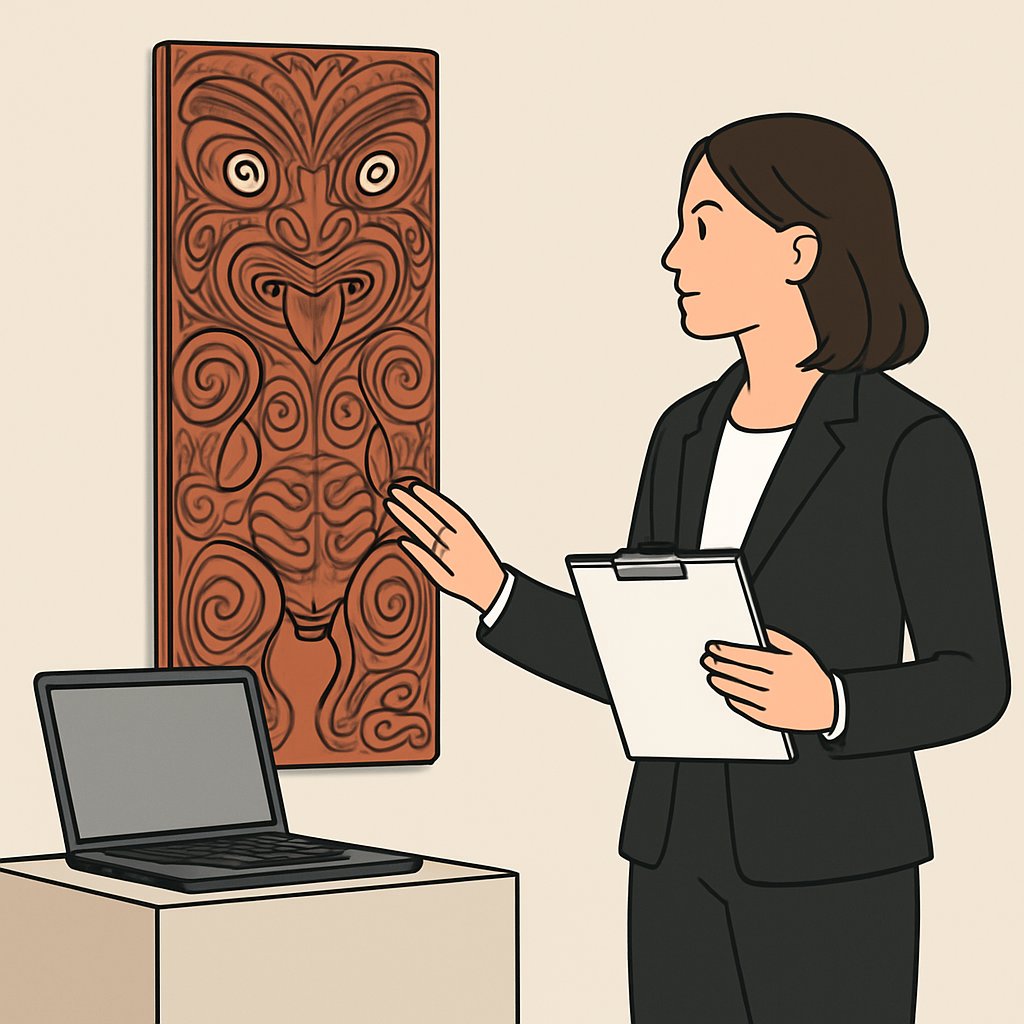
Art curators carefully select works that highlight New Zealand’s unique cultural stories.
They emphasize diverse voices from Māori, Pacific, and Pākehā communities.
This approach provides visitors with a broad and inclusive perspective.
Curators also contextualize art to connect past traditions with present identities.
Therefore, exhibitions foster deeper engagement with the nation’s cultural heritage.
Preserving and Presenting Historical Significance
Curators ensure authentic preservation of historical artworks and artefacts.
They collaborate with historians and iwi experts to maintain accuracy.
As a result, public exhibitions portray New Zealand’s history with integrity.
Additionally, curators update displays to reflect new research and community input.
This ongoing effort keeps cultural history relevant and accessible to all.
Enhancing Educational Outreach and Community Connection
Curatorial decisions influence educational programs linked to exhibitions.
Curators design interpretive materials that support learning for all ages.
They create inclusive spaces encouraging dialogue about cultural identity.
This way, curators strengthen community ties and cultural understanding.
Ultimately, their work inspires appreciation and respect for New Zealand’s rich heritage.
Impact of Curatorial Vision on Cultural Dialogue
Curators act as cultural mediators between artists and audiences.
Their vision shapes how artworks communicate social and historical themes.
Consequently, exhibitions become platforms for meaningful public conversations.
Curators also highlight contemporary issues through the lens of tradition.
This dynamic engagement allows culture to evolve while honoring its roots.
Education and Outreach Initiatives Led by Curators to Engage Younger Generations with Cultural Heritage
Designing Interactive Educational Programs
Art curators develop interactive educational programs to connect youth with cultural heritage.
These programs encourage hands-on learning and active participation in art appreciation.
Moreover, curators collaborate with schools to integrate cultural content into curricula.
For instance, curator Olivia Te Rangi created workshops highlighting Maori art traditions.
Such efforts help younger generations understand and value their cultural roots.
Community Engagement through Collaborations
Curators partner with local artists and organizations to foster community involvement.
They organize events that showcase diverse cultural narratives and artistic expressions.
In addition, these collaborations promote inclusivity and cultural pride among youth.
Curator Jack Ropata works with youth groups in Wellington to co-curate exhibitions.
This inclusive approach builds strong connections between young people and their heritage.
Utilizing Digital Platforms to Reach Youth Audiences
Many curators embrace digital tools to engage younger audiences effectively.
They create online exhibitions and virtual tours accessible from anywhere in New Zealand.
Furthermore, social media campaigns raise awareness about cultural heritage and exhibitions.
For example, curator Amelia Ng launched an Instagram series featuring traditional art stories.
These digital initiatives ensure cultural education remains relevant in the digital age.
Encouraging Youth Participation and Leadership in Cultural Preservation
Curators actively encourage young people to participate in cultural preservation projects.
They mentor emerging artists and youth curators to foster future leadership in the sector.
This support nurtures talent and deepens young people’s connection to their identity.
An example includes curator Samuel Whetu guiding high school students in exhibition planning.
Such mentorship strengthens ongoing cultural stewardship for New Zealand’s future.
How Art Curators Support New Zealand’s Creative Economy While Honoring Cultural Authenticity
Championing Local Artists and Cultural Stories
Art curators actively promote New Zealand’s local artists and their unique cultural narratives.
They carefully select works that represent diverse communities across the country.
By doing so, curators foster a vibrant and inclusive creative economy nationwide.
Moreover, they help artists gain visibility in both domestic and international markets.
This exposure boosts New Zealand’s reputation as a creative hub globally.
Balancing Economic Growth with Cultural Integrity
Curators maintain cultural authenticity while supporting commercial opportunities for artists.
They ensure that exhibitions respect Māori and Pasifika traditions and histories.
Additionally, curators collaborate closely with cultural advisors and iwi representatives.
This approach prevents cultural misrepresentation or appropriation in artistic presentations.
Consequently, the creative economy grows sustainably without compromising cultural values.
Facilitating Educational and Community Engagement
Art curators design exhibitions that educate audiences about New Zealand’s heritage.
They organize programs that engage schools, local groups, and tourists alike.
This involvement strengthens public appreciation for cultural identity and creativity.
Furthermore, such initiatives encourage community pride and participation in the arts.
Supporting Innovation Through Collaboration
Curators foster partnerships between artists, galleries, and cultural institutions.
They stimulate innovative projects that blend traditional and contemporary art forms.
These collaborations enrich New Zealand’s creative economy with fresh perspectives.
Ultimately, curators ensure that cultural authenticity remains central to artistic evolution.
The Evolving Role of Curators in Responding to Changing Cultural Narratives and Social Dynamics
Adapting to Shifts in Cultural Narratives
Art curators actively monitor evolving cultural narratives in New Zealand society.
They embrace diverse perspectives to better represent the nation’s multifaceted identity.
Consequently, curators adjust exhibition themes to reflect these changing viewpoints.
They collaborate with artists who highlight underrepresented or emerging stories.
These efforts amplify voices from Māori, Pasifika, and immigrant communities effectively.
Thus, exhibitions become platforms for dialogue and cultural exploration.
Engaging with Social Dynamics and Community Needs
Curators maintain strong connections with local communities to understand social dynamics.
They organize participatory projects to involve audiences in the creative process.
This approach encourages inclusivity and shared ownership of cultural expression.
Moreover, curators address social issues through thoughtful selection of artworks.
They foster awareness around topics such as identity, environment, and social justice.
By doing so, curators cultivate empathy and greater public engagement.
Integrating Technology and Innovation in Curation
Curators incorporate digital tools to enhance storytelling and accessibility.
Virtual exhibitions and interactive media expand reach beyond traditional galleries.
These innovations respond to changing audience behaviors and expectations.
For instance, Ngā Taonga Art Gallery recently used augmented reality to showcase Māori legends.
Such projects enable immersive experiences that connect past and present culturally.
Consequently, curators bridge heritage with contemporary technology effectively.
Balancing Tradition with Contemporary Perspectives
Curators respect New Zealand’s artistic heritage while encouraging new creative expressions.
They carefully balance preserving traditional artworks and promoting innovative art forms.
This balance allows cultural identities to evolve naturally without losing significance.
Leading curators like Anahera Raukura champion this integrated approach in their programming.
The result is a dynamic cultural landscape that honors history and embraces change.
Ultimately, curators sustain a living connection between art, history, and society.
Additional Resources
Courses | Film and Media Studies – School of Arts and Sciences