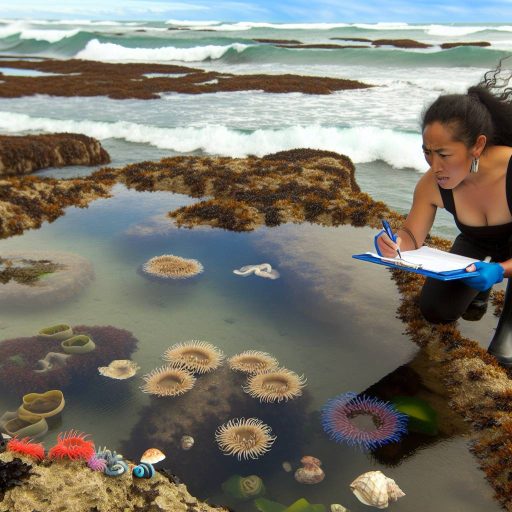




Overview of New Zealand’s Unique Ecosystems and Biodiversity
This overview presents New Zealand ecosystems and biodiversity.
It highlights landscapes, native species, threats, and conservation actions.
Readers will find details about habitats, endemic species, and traditional knowledge.
Distinctive Natural Landscapes
New Zealand features a wide variety of natural landscapes.
These range from dense native forests to expansive alpine regions.
Moreover, the country boasts rich coastal and marine environments.
Each landscape hosts a unique set of plants and animals.
Rich Biodiversity in Flora and Fauna
The islands shelter many species found nowhere else on Earth.
Native birds like the kiwi and kaka are iconic to New Zealand.
Additionally, rare plants such as the kauri tree dominate certain forests.
Furthermore, the marine biodiversity includes unique fish and invertebrates.
Ecological Importance of Endemic Species
Endemic species play vital roles in their native ecosystems.
They maintain ecological processes like pollination and seed dispersal.
Consequently, their survival supports overall ecosystem resilience.
Environmental imbalances can threaten these delicate interactions.
Personalized Career Consulting
Unlock your potential with expert career advice tailored to your goals. Get personalized guidance and actionable steps toward your dream career in New Zealand.
Get StartedThreats to Ecosystems
Introduced pests and habitat loss endanger native species.
Human activities increasingly disrupt natural habitats across the islands.
Climate change also impacts ecosystem stability and species distributions.
Addressing these threats requires coordinated conservation efforts nationwide.
Protected Areas and Conservation Efforts
New Zealand has established numerous national parks and reserves.
These protected spaces safeguard key habitats and biodiversity hotspots.
Conservation initiatives actively control invasive species and restore native vegetation.
Community involvement strengthens the protection of these natural treasures.
Role of Indigenous Knowledge
Maori communities contribute deep understanding of local ecosystems.
Their traditional practices emphasize respect and sustainability.
Integrating indigenous knowledge enhances biodiversity conservation strategies.
Collaborations between scientists and iwi promote ecosystem health.
Roles and Responsibilities of Environmental Scientists in NZ
Environmental scientists play a key role in preserving New Zealand’s unique biodiversity.
These experts conduct field research to monitor native species and habitats.
Transform Your Career with a Professional CV and Cover Letter
Stand out to employers with an ATS-optimized resume and tailored cover letter designed to match your dream role. Let us craft your job application materials for success!
Get StartedThey develop strategies to restore and conserve ecosystems effectively.
Protecting Biodiversity and Ecosystems
They conduct field research to monitor native species and habitats.
Furthermore, these experts identify threats like invasive species and habitat loss.
Consequently, they develop strategies to restore and conserve ecosystems effectively.
Environmental Impact Assessments
Scientists assess the potential environmental effects of development projects.
For example, Dr. Anna McGregor evaluates urban expansion near sensitive wetlands.
Moreover, they provide recommendations to minimize environmental damage.
They collaborate with local councils to integrate sustainable practices into planning.
Policy Development and Advocacy
Environmental scientists advise government agencies on conservation policies.
They analyze scientific data to support environmental regulations.
Dr. Malik Patel often contributes to national discussions on climate change adaptation.
Additionally, they advocate for stronger protections of fragile ecosystems.
Community Engagement and Education
Scientists work closely with Maori communities to incorporate traditional knowledge.
They also raise public awareness about environmental issues.
Boost Your Career with a Standout LinkedIn Profile
Attract recruiters and expand your network with a fully optimized LinkedIn profile tailored to highlight your strengths and professional goals. Let your profile open doors to new opportunities!
Get OptimizedFor instance, Rachel Thompson leads workshops on freshwater preservation.
Ultimately, they empower citizens to participate in conservation efforts.
Research and Innovation
Environmental researchers develop new methods to monitor environmental health.
They utilize advanced technologies like satellite imaging and drone surveys.
Dr. Lucas Gray has pioneered techniques for tracking endangered birds.
Innovation enables more precise and efficient ecosystem management.
Collaboration Across Sectors
Environmental scientists partner with government, NGOs, and private companies.
These collaborations enhance resource management and policy implementation.
EcoSolutions Ltd., led by Emma Ngatai, frequently partners with experts on restoration projects.
Such teamwork is essential for sustainable environmental outcomes.
Monitoring and Assessing Environmental Health in Terrestrial and Marine Habitats
Environmental scientists employ a range of techniques to monitor terrestrial ecosystems.
They use remote sensing technologies, including satellite imagery and drone surveys.
These tools help detect changes in vegetation cover and land use patterns.
Terrestrial Habitat Monitoring Techniques
Field surveys complement technological methods by collecting biological and soil samples.
Scientists measure biodiversity indicators such as species richness and population trends.
Furthermore, they assess soil health by analyzing nutrient levels and contamination.
Long-term monitoring stations track climate variables and ecosystem responses over time.
By combining these methods, researchers gain a comprehensive picture of ecosystem health.
Marine Habitat Assessment Strategies
The assessment of marine environments requires specialized approaches due to their complexity.
Scientists conduct underwater visual censuses to record fish and invertebrate populations.
They also deploy automated sensors to track water quality parameters like temperature and pH.
Acoustic monitoring detects marine mammal presence and human-made noise pollution.
In addition, plankton sampling helps evaluate the base of the marine food web.
Researchers analyze sediment samples to assess pollution levels and habitat condition.
Collaboration with local fishers provides valuable traditional knowledge and observations.
Data Integration and Analysis for Ecosystem Health
Scientists integrate data from terrestrial and marine monitoring for holistic ecosystem assessment.
They use Geographic Information Systems (GIS) to map and analyze spatial environmental data.
Statistical models identify trends and predict future ecosystem changes.
Additionally, scientists perform risk assessments to highlight vulnerable species and habitats.
They collaborate with institutions like EcoDynamics Research Group led by Dr. Ava Thompson.
This collaboration enhances data sharing and resource pooling among research teams.
Ultimately, integrated analysis guides conservation strategies and policy development.
Community Engagement in Environmental Monitoring
Involving local communities strengthens monitoring efforts and raises environmental awareness.
Programs like Coastal Guardians NZ train volunteers to collect marine health data effectively.
Citizen science projects provide valuable additional data while empowering participants.
Moreover, scientists communicate findings through workshops and public forums.
Engagement ensures that local knowledge complements scientific observations.
It also fosters stewardship and supports sustainable management of natural resources.
Therefore, community collaboration is essential for successful ecosystem protection.
See Related Content: Why Agricultural Scientists Are Critical to NZ’s Food Security
Development and Implementation of Conservation Strategies
This section outlines how teams turn conservation plans into practical actions.
First, stakeholders join to align goals and resources effectively.
Then projects proceed with clear milestones and shared responsibilities.
Assessing Ecosystem Threats
Environmental scientists evaluate threats to unique ecosystems.
They identify invasive species, habitat loss, and pollution as major risks.
Additionally, they study climate change impacts on local flora and fauna.
Collaborating with Stakeholders
Experts work closely with local iwi and community groups.
They partner with government agencies such as the Department of Conservation.
Furthermore, collaboration with Manaaki Whenua strengthens project outcomes.
Such partnerships ensure culturally sensitive and scientifically sound strategies.
Designing Conservation Initiatives
Scientists develop tailored initiatives based on ecosystem needs and threats.
They create predator control programs to protect native species like kiwi birds.
Moreover, habitat restoration projects focus on planting native vegetation and wetlands.
They also implement biosecurity measures to reduce invasive pest spread.
Community education campaigns raise awareness and encourage sustainable practices.
Monitoring and Adaptive Management
Continuous monitoring tracks progress of conservation efforts over time.
Scientists analyze data to assess predator control and habitat restoration success.
They adjust strategies according to new findings and environmental changes.
Regular reporting keeps stakeholders informed and engaged in the process.
Case Studies of Successful Conservation
The Zealandia Ecosanctuary in Wellington exemplifies habitat restoration success.
Predator eradication there has allowed native bird populations to rebound noticeably.
Similarly, the project led by Dr. Mia Campbell focuses on wetland regeneration.
Community involvement in that project increased awareness and ecological resilience.
These successes inspire replication of best practices across other regions.
Discover More: Why NZ’s Wine Industry Relies on Soil Scientists
Collaborating with Maori Communities for Sustainable Ecosystem Management
Collaborative work supports sustainable ecosystem management.
Partnerships rely on mutual respect and knowledge sharing.
Together, they enhance the effectiveness of conservation strategies.
Building Strong Partnerships
Environmental scientists engage with Maori leaders and iwi representatives.
They listen to Maori observations about environmental changes.
Moreover, collaboration fosters mutual respect and ongoing knowledge sharing.
Ngai Tahu and Waikato Tainui representatives contribute insights on local ecosystems.
Integrating Matauranga Maori and Scientific Knowledge
Matauranga Maori provides ecological knowledge gathered over generations.
Scientists combine this traditional wisdom with contemporary research methods.
For example, use of rahui complements modern regulations.
Supporting Community Led Conservation Initiatives
Maori communities often lead conservation projects tailored to local environments.
Scientists provide technical support such as ecological monitoring and data analysis.
For instance, Te Runanga o Ngati Whatua implements wetland rehabilitation with scientific guidance.
Benefits include rebuilding habitats for native species and strengthening cultural identity.
Respecting Indigenous Governance and Decision Making
Environmental projects respect Maori rangatiratanga over lands and waters.
Decision making includes iwi consultation before action.
Co governance models enable joint management with government agencies.
For example, the Whanganui River settlement shows legally recognized Maori guardianship.
Find Out More: Why Food Technologists Are Vital to NZ’s Agricultural Economy
Impact Assessment and Mitigation of Human Activities on Ecosystems
This section presents impact assessment and mitigation practices.
It highlights practitioner examples and practical mitigation measures.
The content focuses on project case examples and adaptive management.
Understanding Environmental Impact Assessments
Dr. Amelia Reid leads many impact assessments for EcoBalance Consulting.
Her team evaluates water quality, soil health, and native flora.
They also assess habitat disruption and species vulnerability in projects.
Mitigation Strategies to Protect Ecosystems
After identifying risks, teams design targeted mitigation strategies.
For instance, Kaikoura Environmental Solutions implements erosion control systems.
They use native plants to stabilize soils and protect waterways.
Collaboration with Industry and Communities
Mahuta Timber Ltd. works with scientists to implement sustainable logging practices.
They limit deforestation and ensure prompt replanting with native species.
Scientists also provide education and tools to support community conservation efforts.
Restoration Projects for Threatened and Endangered Species
Environmental scientists restore habitats to protect New Zealand native species.
They remove invasive predators like possums, rats, and stoats.
These efforts improve survival chances for native birds such as kiwi and kokako.
Protecting Native Wildlife
Field teams prioritize removing invasive mammals that threaten native fauna.
They focus on possums, rats, and stoats as primary predator targets.
Consequently, bird populations such as kiwi and kokako experience improved survival.
Teams also establish predator-free sanctuaries to support long term species recovery.
Habitat Rehabilitation Efforts
Scientists rehabilitate native vegetation to recreate natural habitats for endangered species.
They replant native trees such as pohutukawa and manuka to support biodiversity.
Additionally, wetland restoration benefits species like the whio, also known as the blue duck.
These projects also improve water quality and help reduce soil erosion over time.
Species Monitoring and Breeding Programs
Researchers monitor species populations closely to track recovery progress.
They deploy tracking devices and conduct regular surveys to collect essential data.
Furthermore, captive breeding programs increase numbers of critically endangered animals.
These initiatives often involve partnerships with local iwi and conservation groups.
Community Involvement and Education
Restoration success depends on active community engagement in conservation activities.
Scientists collaborate with schools and volunteers to raise awareness and build support.
Workshops teach predator control methods and practical habitat care to empower residents.
Consequently, community participation increases project sustainability and extends conservation impact.
Key Organizations Leading Restoration
The Department of Conservation, also known as DOC, leads many restoration initiatives.
Nonprofit groups like Forest & Bird collaborate closely with scientists and local communities.
Private companies provide specialized ecological restoration services when projects require technical support.
Together, these organizations promote progress in protecting endangered species and restoring habitats.
Policy Advocacy and Advising Government on Environmental Regulations
Environmental scientists actively collaborate with policymakers to shape effective regulations.
They provide evidence-based insights to support sustainable decision-making.
Moreover, they organize workshops to share scientific findings with government officials.
Collaborating with Policymakers
Dr. Amelia Reed from EcoSpectrum Consulting often leads these important collaborations.
Her expertise helps bridge the gap between science and policy development.
Scientists analyze data to evaluate potential impacts of proposed environmental laws.
Informing Environmental Legislation
They recommend measures that protect native species and habitats.
Furthermore, these experts draft policy briefs to assist legislative committees.
For example, the Environmental Integrity Group frequently submits detailed reports on wetlands preservation.
Such input ensures that regulations reflect current ecological realities.
Engaging in Public Consultation Processes
They facilitate public consultations to gather community input on environmental issues.
These forums promote transparency and inclusivity in policymaking.
Dr. Lucas Nguyen from Green Horizons Trust often moderates discussions with local stakeholders.
Through these engagements, scientists identify concerns and integrate local knowledge.
Consequently, regulations become more responsive to both ecological and social needs.
Advocating for Stronger Environmental Protections
Environmental scientists campaign for regulations that reduce pollution and habitat destruction.
They collaborate with NGOs such as the New Zealand Conservation Alliance.
Together, they lobby government agencies to enforce stricter conservation laws.
These efforts include submitting position papers and participating in parliamentary hearings.
As a result, many policies now better safeguard fragile ecosystems.
Supporting Monitoring and Compliance
Experts help design frameworks to monitor regulatory compliance effectively.
They advise agencies on methods for tracking environmental changes and impacts.
For instance, Dr. Mia Talbot leads a team assessing freshwater quality standards.
This scientific advice helps authorities enforce rules and adjust policies when needed.
Ultimately, continuous monitoring enhances ecosystem resilience and regulatory success.
Use of Technology and Data Analysis in Ecosystem Protection
Environmental scientists rely heavily on remote sensing to monitor ecosystems.
Scientists use advanced software to analyze large environmental datasets.
Online platforms enable researchers to share data and insights efficiently.
Remote Sensing and Satellite Imagery
They use satellite imagery to track changes in vegetation and land use.
For example, Dr. Amelia Hart from KiwiEco Research uses this technology daily.
Moreover, remote sensing enables early detection of invasive species spread.
This method also helps assess the impact of natural disasters on habitats.
Data Collection through Drones and Sensors
Drones equipped with multispectral cameras gather detailed ecological data.
Environmental consultant Liam Ng operates drones to observe fragile bird nesting sites.
Sensors placed in the field measure soil moisture, temperature, and air quality.
Furthermore, integrating drone data with sensors improves habitat restoration efforts.
Advanced Data Analysis and Modeling
Dr. Fiona Chen applies machine learning models to predict species population trends.
These models guide conservation priorities by identifying high-risk areas.
Additionally, data visualization tools make complex information accessible to stakeholders.
Consequently, decision-makers can implement evidence-based ecosystem management strategies.
Collaborative Platforms and Open Data
EcoDataNZ, a local initiative, fosters collaboration among universities and NGOs.
This openness accelerates innovation and cross-disciplinary research in conservation.
Furthermore, public access to data encourages community involvement in ecosystem protection.
Therefore, transparency and collaboration strengthen conservation outcomes across New Zealand.
Public Education and Community Engagement to Promote Environmental Awareness
This section highlights public education and community engagement to promote environmental awareness.
It covers programs, community initiatives, digital outreach, and partnerships with Maori groups.
Readers will learn how these efforts build stewardship and support conservation goals.
Raising Awareness Through Educational Programs
Environmental scientists develop targeted educational programs for diverse audiences.
For example, Dr. Amelia Carter collaborates with local schools in Otago.
These programs explain ecosystem importance clearly and engagingly.
Moreover, interactive workshops allow participants to experience nature firsthand.
Community Involvement Initiatives
Scientists partner with community groups to promote conservation projects.
One initiative led by EcoGuard NZ mobilizes volunteers for native tree planting.
This project helps restore habitats and improve biodiversity.
Additionally, citizen science programs engage locals in data collection efforts.
Use of Digital Platforms to Extend Reach
Environmental experts leverage social media to communicate research findings.
For instance, Maia Green shares weekly posts about endangered species on Instagram.
These platforms enable real time updates and interactive Q and A sessions.
Furthermore, online webinars open access to valuable information nationwide.
Collaborations With Maori Groups
Respecting indigenous knowledge enhances environmental education efforts.
Scientists work alongside Ngati Whatua leaders to integrate traditional ecological wisdom.
This collaboration ensures culturally sensitive and relevant messaging.
Consequently, it strengthens community trust and promotes inclusive stewardship.
Benefits of Public Education and Engagement
Public education increases community understanding of ecosystem challenges.
It encourages sustainable behaviors and everyday practices that reduce harm.
Moreover, it builds networks that support ongoing conservation goals.
- Increases community understanding of ecosystem challenges.
- Encourages sustainable behaviors and practices.
- Builds strong networks supporting conservation goals.
- Fosters long-term commitment to protecting natural heritage.
Together, these efforts lead to healthier and more resilient ecosystems across New Zealand.