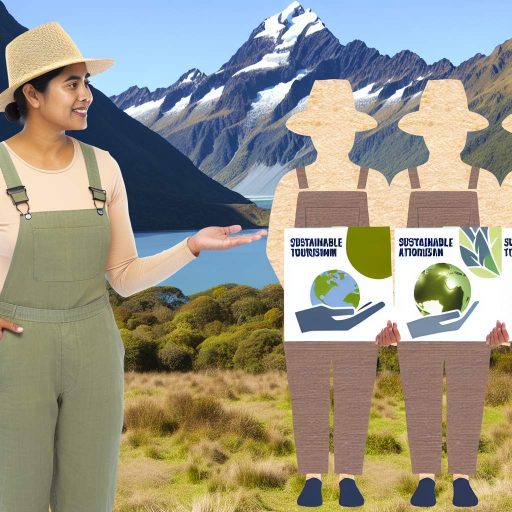




The Role of Local Knowledge in Enhancing Tour Experiences in New Zealand
Local knowledge shapes tour experiences across New Zealand.
It provides cultural context and landscape insight for travelers.
Local expertise affects both practical arrangements and visitor engagement.
Deep Connection to the Land and Culture
Local guides possess an intimate understanding of New Zealand landscapes.
They connect travelers with natural beauty in places like Fiordland and Rotorua.
Moreover, guides share insights about Maori culture that enrich visits.
For example, guides like Anahera Whaitiri explain the significance of sacred sites.
Tailored Experiences Through Insider Expertise
Experienced guides customize tours based on local conditions and visitor interests.
They suggest hidden trails and lesser-known viewpoints to enhance exploration.
Timothy MacAllister of Kiwi Trails curates routes that avoid crowds and maximize enjoyment.
Such insider tips turn ordinary trips into personalized adventures.
Consequently, guests leave with unique memories that mainstream tours cannot offer.
Enhancing Safety and Environmental Awareness
Local guides understand weather patterns and terrain challenges thoroughly.
They inform visitors about safe practices when hiking or boating in remote areas.
Additionally, they promote responsible tourism to protect fragile ecosystems.
Personalized Career Consulting
Unlock your potential with expert career advice tailored to your goals. Get personalized guidance and actionable steps toward your dream career in New Zealand.
Get StartedHelen Te Rangi from EcoExplore educates groups on minimizing environmental impact.
Therefore, local knowledge ensures enjoyable and sustainable travel experiences.
Building Trust and Meaningful Connections
Guides often foster genuine relationships by sharing personal stories and community history.
This openness creates an authentic atmosphere that travelers appreciate.
For instance, Sarita Yong recounts her family’s farming heritage on rural tours.
Such narratives deepen visitors’ understanding and emotional connection to New Zealand.
Ultimately, local expertise transforms tours into lifelong cherished memories.
How Tour Guides Use Storytelling to Bring New Zealand’s History and Culture to Life
Tour guides carefully craft stories to connect visitors with New Zealand’s landscapes.
They use vivid descriptions that evoke the sights, sounds, and emotions of each place.
Tour guides narrate significant moments like the Treaty of Waitangi signing.
Weaving Stories That Connect Visitors to the Land
By sharing legends of the Maori and early settlers, guides create immersive experiences.
This approach helps travelers feel part of New Zealand’s unique journey.
Moreover, guides highlight how geography shaped historical events and cultural development.
Sharing Maori Heritage Through Oral Traditions
Guides emphasize Maori oral traditions to explain local customs and values.
Transform Your Career with a Professional CV and Cover Letter
Stand out to employers with an ATS-optimized resume and tailored cover letter designed to match your dream role. Let us craft your job application materials for success!
Get StartedThey recount legends such as Maui slowing the sun or the creation of Aotearoa.
This storytelling reveals deeper meanings behind sacred sites and practices.
As a result, visitors gain respect and understanding of Maori identity and spirituality.
Additionally, guides introduce key terms in Te Reo Maori to enrich the experience.
Bringing Historical Events to Life
They describe the challenges early European settlers faced upon arriving.
By illustrating personal stories of pioneers and indigenous leaders, guides humanize history.
Consequently, visitors better appreciate New Zealand’s complex cultural heritage.
Furthermore, guides connect past achievements with modern-day New Zealand’s values.
Engaging Visitors with Interactive Storytelling Techniques
They encourage questions and discussions to keep groups engaged and curious.
Guides use props such as artifacts, images, and replicas to deepen the narrative.
Storytelling often includes role-playing to make history tangible and memorable.
Thus, visitors participate actively rather than passively listening to facts.
This dynamic approach creates lasting impressions and personal connections.
Highlighting Contemporary Culture Through Anecdotes
They share stories about modern New Zealanders and their lifestyles.
Boost Your Career with a Standout LinkedIn Profile
Attract recruiters and expand your network with a fully optimized LinkedIn profile tailored to highlight your strengths and professional goals. Let your profile open doors to new opportunities!
Get OptimizedGuides introduce local artists, innovators, and community leaders to enrich context.
These anecdotes showcase the ongoing evolution of cultural identity.
Consequently, visitors leave understanding both tradition and progress.
This storytelling paints a full picture of New Zealand’s living culture.
Personalizing Tours to Match Diverse Interests and Groups
Personalizing tours improves guest satisfaction.
Guides learn guest interests before trips.
Tailored details make visits more meaningful.
Understanding Individual Preferences
Tour guides learn about each group’s unique interests.
For instance, some travelers enjoy nature photography.
Others prefer cultural experiences.
Guides adapt itineraries to highlight relevant sites.
Emily Thompson often asks guests about their hobbies before tours.
She then tailors stops and activities to create connections.
Adapting for Different Group Types
Groups vary from families and couples to adventure seekers and senior travelers.
Guides modify pace and difficulty for each group.
For example, Richard Mason designs relaxed tours for elderly visitors.
Conversely, Mia Chen leads adventure groups on more challenging trails and activities.
This flexibility ensures everyone enjoys tours comfortably and safely.
Incorporating Local Stories and Traditions
Guides personalize tours by sharing authentic local stories.
Jacob Wilson frequently includes Maori legends on Otago hiking tours.
Moreover, integrating these tales provides cultural depth and engagement.
Visitors often remember personalized storytelling more vividly than standard facts.
Using Technology to Enhance Customization
Many guides use digital tools to plan and adjust tours.
Sophia Patel uses mobile apps to gather real time feedback.
Hence, she adjusts activities or timings based on feedback.
Consequently, groups receive faster customizations during tours.
Benefits of Personalization for Tour Groups
Customized tours increase guest satisfaction.
Additionally, such tours encourage positive reviews.
Clients often return to firms like Southern Sky Tours.
A personalized approach turns ordinary outings into memorable New Zealand adventures.
Learn More: The Path to Becoming a Luxury Travel Consultant in NZ
Incorporating Maori Culture and Traditions to Provide Authentic Experiences
Tour guides in New Zealand actively share Maori stories to deepen visitor understanding.
They highlight legends that connect people to the land and its history.
This storytelling enhances the cultural richness of each tour.
Sharing Maori Stories and Legends
Guides like Hana Te Rangi often narrate tales about Tane Mahuta and Maui’s exploits.
This practice fosters respect and appreciation for Maori heritage.
Consequently visitors connect with landscapes through shared legends.
Integrating Traditional Maori Practices
Guides introduce visitors to Maori customs such as the powhiri welcome ceremony.
Visitors experience the hongi a traditional greeting symbolizing unity.
Tour leaders like Aria Whaitiri explain the significance behind each ritual.
Showcasing Maori Art and Craftsmanship
Guides incorporate visits to local artisans and marae for authentic experiences.
They demonstrate traditional weaving carving and tattooing techniques.
These artistic traditions provide insight into Maori identity and values.
Guides like Manaia Te Paepa lead craft workshops during tours.
Highlighting Maori Language and Songs
Integrating te reo Maori phrases enriches the tour experience.
Guides often teach visitors common greetings and expressions.
Traditional waiata songs are shared to illustrate oral culture.
This practice preserves the language and encourages cultural respect.
Respecting Cultural Protocols and Values
Guides emphasize the importance of respecting tapu on sacred sites.
They inform visitors about correct behavior in marae and living areas.
Tour operators like Aroha Kereopa ensure tours uphold Maori ethical standards.
This respectful approach builds trust between visitors and local communities.
Hence tours remain sustainable and culturally sensitive over time.
See Related Content: The Growing Opportunities in Boutique Hospitality Careers in NZ
Using Natural Landscapes to Create Immersive and Memorable Adventures
They embrace diverse landscapes, from rugged coastlines to serene forests.
In addition, tactile experiences like rock collecting or bird watching enrich visits.
These interactions make adventures memorable and meaningful.
Connecting Visitors with Local Flora and Conservation
Natural guides emphasize native plants and animals to enhance learning.
By introducing species such as the kiwi or silver fern, they foster curiosity.
Moreover, they respect conservation efforts and teach sustainable ways to explore.
This approach promotes environmental stewardship during and after tours.
Designing Authentic Outdoor Experiences
Tour leaders like Lucas Bennett prioritize genuine connections over staged experiences.
They invite travelers to witness untouched valleys and hidden waterfalls.
Consequently, travelers feel a deeper appreciation for each location visited.
Delve into the Subject: Why Sustainable Tourism Professionals Are Vital in New Zealand
Building Rapport and Engaging Visitors to Foster Lasting Connections
Tour guides greet visitors with genuine smiles and open body language.
Experienced guides ask open-ended questions to spark curiosity.
Tour leaders make themselves available to answer questions anytime.
Creating a Warm and Welcoming Atmosphere
This initial warmth helps guests feel comfortable right away.
Furthermore, guides introduce themselves and share a bit about their background.
Such personal touch encourages visitors to connect on a human level.
Encouraging Interactive Participation
This approach invites visitors to share their thoughts and expectations.
Moreover, interactive storytelling keeps everyone actively involved in the experience.
Consequently, visitors become eager to contribute and learn more.
Tailoring Experiences to Individual Interests
Skilled guides observe visitor reactions carefully throughout the tour.
They adjust the pace and focus based on what intrigues each group.
This personalized attention deepens visitor engagement and satisfaction.
Maintaining Open Communication and Approachability
They emphasize attentive listening to understand visitor needs clearly.
Also, guides create safe spaces where guests feel comfortable sharing concerns.
Therefore, trust and respect develop naturally between guides and visitors.
Fostering Community Through Shared Experiences
Guides facilitate group activities that promote bonding among visitors.
They organize discussions or photo opportunities that highlight collective memories.
These shared moments create stories guests will cherish long after the trip.
Learn More: Eco-Tourism Guides: Careers in Protecting NZ’s Natural Beauty
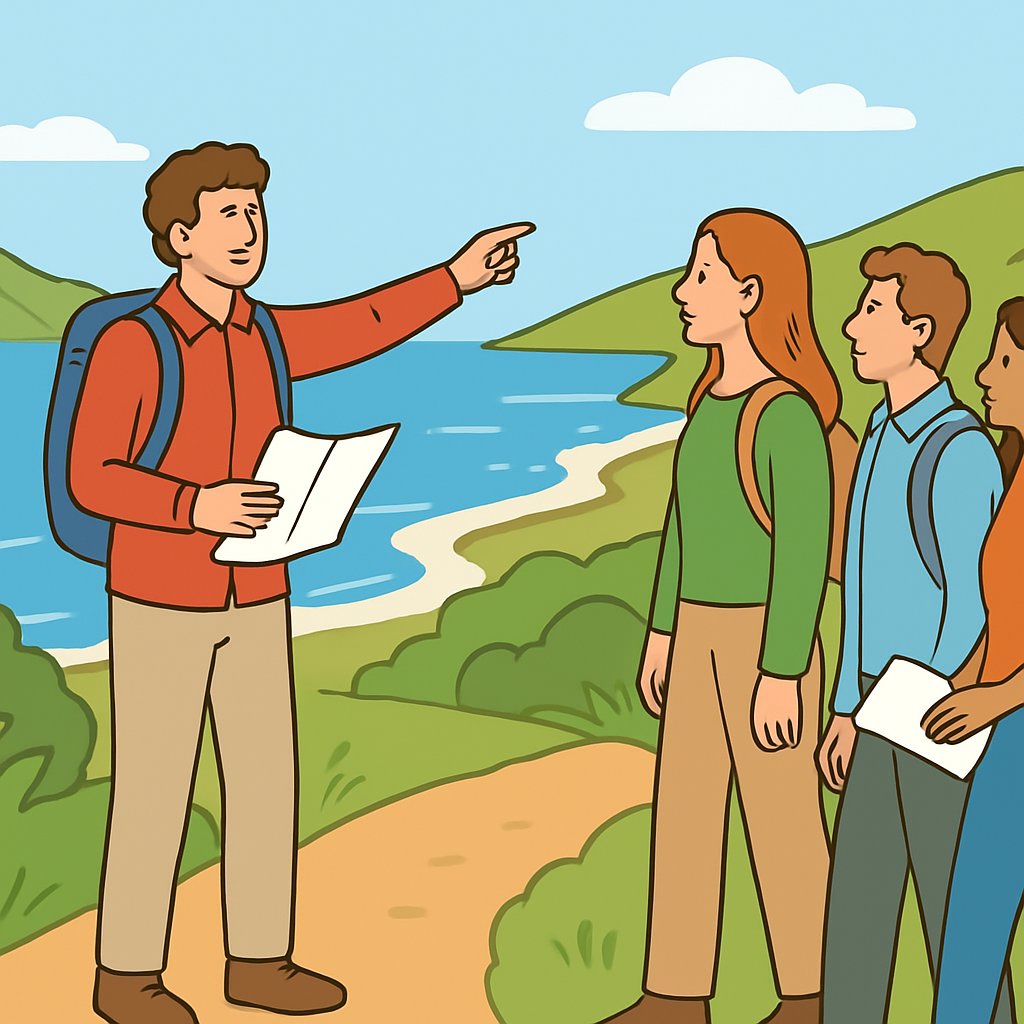
Adapting to Weather and Unforeseen Circumstances to Maintain Tour Quality
Guides adapt to changing conditions to preserve tour quality.
Monitoring forecasts allows rapid plan updates throughout the day.
They ask guests to prepare with layers for sudden weather shifts.
Preparing for New Zealand’s Variable Weather
New Zealand weather can change rapidly during a single day.
Amelia Warren monitors forecasts closely to guide timely decisions.
She advises guests to dress in layers for comfort.
This practice helps visitors stay comfortable during sudden rain.
Flexible Tour Itineraries
Experienced guides design flexible itineraries with alternative activities.
For example, a rainy hike becomes a visit to an indoor gallery.
Lucas Bennett applies this approach on Queenstown tours.
As a result, guests still enjoy memorable experiences despite weather.
Handling Unexpected Challenges Beyond Weather
Guides also handle unexpected issues like road closures or wildlife sightings.
Rebecca Ng prepares contingency routes to bypass sudden roadblocks.
Occasional wildlife sightings can become impromptu highlights for groups.
Such moments create unique memories for visitors.
Maintaining Safety and Comfort
Safety remains a top priority when guides alter plans quickly.
Guides communicate changes clearly and calmly to all participants.
Clear communication builds trust and reassures the group.
Guides carry extra supplies such as rain jackets and snacks.
Leveraging Local Knowledge and Experience
Local guides understand microclimates and hidden scenic spots.
Samira Patel identifies alternative viewpoints that remain pleasant in bad weather.
Her insights enrich the visitor experience during challenging conditions.
Thus, expertise turns obstacles into new opportunities.
Embracing a Positive and Resourceful Attitude
Tour leaders encourage guests to embrace spontaneity during changes.
They highlight the adventure in unpredictability and new discoveries.
This mindset turns unforeseen circumstances into memorable stories.
Marcus Li keeps energy high and spirits up for groups.
- Proactive communication
- Creative problem-solving
- Optimism in the face of adversity
Leveraging Safety Expertise to Ensure Enjoyable and Secure Tours
Leveraging safety expertise ensures tours are both enjoyable and secure.
Professional guides prioritize traveler safety throughout each excursion.
They follow established safety standards and maintain ongoing training.
Commitment to Rigorous Safety Standards
Tour guides like Emma Wallace prioritize safety above all else during excursions.
They adhere strictly to New Zealand’s comprehensive safety regulations and protocols.
Guides undergo regular training to stay updated on the latest safety practices.
This dedication creates secure, worry free experiences for every traveler.
Preparing for Diverse Environmental Conditions
New Zealand’s landscape varies greatly and requires planning for weather and terrain.
Consequently, guides such as Liam Foster prepare thorough risk assessments before each tour.
They equip travelers with information on clothing, gear, and behavior for each environment.
Moreover, they continuously monitor weather changes to adjust plans when needed.
Emergency Readiness and First Aid Expertise
All professional guides maintain current first aid certifications and emergency response training.
For instance, Olivia Bennett manages medical incidents with advanced first aid skills.
They carry well stocked first aid kits tailored to each tour location and hazards.
Additionally, they set clear communication protocols with local emergency services.
Cultivating a Culture of Safety Awareness
Guides encourage travelers to participate actively in maintaining a safe environment.
They provide clear safety briefings on behavior, trail etiquette, and wildlife interactions.
As a result, tourists feel more informed and attentive to safety requirements.
Through this approach, guides foster mutual responsibility and respect for guidelines.
Collaborating with Trusted Local Partners
Tour companies like Kiwi Horizons partner with vetted transport and accommodation providers.
This collaboration helps ensure all aspects of tours meet high safety and quality standards.
Furthermore, these partnerships enable rapid problem solving when unexpected issues arise.
Thus, tourists benefit from seamless and secure experiences throughout their journey.
Utilizing Technology and Multimedia to Enrich the Visitor Experience
Tour guides use technology and multimedia to enrich visitor experiences.
Interactive apps, augmented reality, and virtual tours expand access and engagement.
Consequently, travelers enjoy more immersive and flexible experiences.
Interactive Mobile Applications
Tour guides frequently use interactive apps to engage visitors more deeply.
Apps from companies like KiwiExplore provide real-time maps and cultural insights.
Moreover, these tools offer personalized tour options tailored to visitor interests.
Consequently, travelers enjoy a more immersive and flexible experience.
Augmented Reality Enhancements
Augmented reality (AR) helps bring New Zealand’s landscapes and stories to life.
For example, guides use AR to overlay historical scenes onto current views.
This technology captures attention and enriches understanding effortlessly.
Therefore, visitors often retain more information about local heritage.
Multimedia Storytelling Techniques
Guides incorporate videos, audio clips, and photos to enhance storytelling.
Creative use of multimedia by companies such as Southern Trails makes tours memorable.
Additionally, engaging soundscapes recreate natural sounds for a full sensory experience.
As a result, visitors develop a stronger connection with the environment.
Social Media Integration and Sharing
Tour guides encourage visitors to share moments via social media platforms.
This approach boosts local tourism publicity and creates community engagement.
Tools like live streaming and hashtags connect travelers with fellow explorers.
Hence, social media amplifies the unforgettable moments experienced on tours.
Virtual Tours and Remote Experiences
Technology enables virtual tours for those unable to visit in person.
Companies such as KiwiVista offer live guided experiences with professional hosts.
These virtual tours help broaden access and support tourism throughout the year.
Consequently, people worldwide can appreciate New Zealand’s beauty from afar.
Promoting Sustainable Tourism Practices Through Responsible Guiding
Tour guides educate travelers about New Zealand’s natural environment.
They emphasize the importance of preserving ecosystems during every tour.
Guides share practical tips for minimizing waste in the wild.
Educating Visitors on Environmental Stewardship
Tour guides play a crucial role in educating travelers.
Emma Thompson from Kiwi Trails shares practical tips for minimizing waste.
She explains how simple actions protect native wildlife and vegetation.
Consequently, visitors gain a deeper appreciation of fragile habitats.
Adopting Low-Impact Travel Techniques
Responsible guides follow low-impact travel principles on excursions.
They encourage walking and small group activities to reduce strain.
John MacKenzie from Southern Horizons avoids overcrowded locations on tours.
Furthermore, he uses reusable equipment and avoids single-use plastics.
As a result, this approach reduces carbon footprints and protects areas.
Supporting Local Communities and Cultures
Promoting sustainability includes support for indigenous Maori communities.
Guides like Aroha Rangi incorporate Maori traditions and stories respectfully.
They highlight the significance of cultural sites and encourage respect.
Additionally, tours source food and crafts from local suppliers.
This practice helps strengthen local economies and fosters cultural preservation.
Collaborating with Conservation Organizations
Many tour companies partner with conservation groups to protect landscapes.
For example, Glacier Adventures works closely with the Department of Conservation.
Tours contribute a portion of proceeds toward habitat restoration projects.
Guides update visitors on ongoing conservation efforts and ways to help.
Consequently, travelers become active participants in preserving natural beauty.