




Role of Social Workers in Supporting Vulnerable Populations in New Zealand
Providing Essential Advocacy and Support
Social workers actively advocate for vulnerable individuals across New Zealand.
They ensure these populations receive fair access to healthcare and housing.
Moreover, social workers connect clients to vital community resources and services.
Through ongoing support, they empower individuals to regain control over their lives.
Additionally, social workers collaborate with families to foster a safe environment for children.
Strengthening Mental Health and Wellbeing
Social workers address mental health challenges within vulnerable communities effectively.
They offer counselling and crisis intervention to those in urgent need.
Consequently, they reduce stigma and promote acceptance of mental health issues.
Social workers also facilitate group sessions to build peer support networks.
They work closely with clinicians to ensure comprehensive care plans are in place.
Supporting Maori and Pasifika Communities
Social workers champion culturally responsive approaches for Maori and Pasifika populations.
They often engage with iwi leadership to align support with cultural values.
This collaboration enhances trust and improves service delivery outcomes substantially.
Furthermore, social workers incorporate tikanga Maori principles in their practice.
They help preserve cultural identity while addressing social and economic challenges.
Personalized Career Consulting
Unlock your potential with expert career advice tailored to your goals. Get personalized guidance and actionable steps toward your dream career in New Zealand.
Get StartedAssisting Refugees and Immigrants
Social workers guide refugees through New Zealand’s complex social systems with care.
They assist newcomers in securing housing, schooling, and employment opportunities.
Moreover, social workers provide language support and translation assistance as needed.
They promote community integration by facilitating cultural orientation programs.
Social workers act as crucial liaisons between refugee families and local agencies.
Collaborating with Other Agencies
Social workers coordinate with health professionals, schools, and law enforcement agencies.
This teamwork ensures vulnerable populations receive holistic and timely support.
They participate in multi-disciplinary teams to address complex social issues effectively.
As a result, social workers help build stronger, more resilient communities nationwide.
Ongoing communication among agencies enhances resource sharing and service delivery.
Contribution of Social Workers to Community Health and Wellbeing
Enhancing Mental Health Support
Social workers actively provide vital mental health services across New Zealand communities.
They identify individuals facing emotional and psychological challenges early on.
Consequently, they connect clients with appropriate counselling and therapy resources.
Additionally, social workers run support groups to foster emotional resilience and social connection.
Transform Your Career with a Professional CV and Cover Letter
Stand out to employers with an ATS-optimized resume and tailored cover letter designed to match your dream role. Let us craft your job application materials for success!
Get StartedFor instance, Emma Rutherford from Wellington Youth Services leads mental health outreach programs effectively.
Promoting Social Inclusion and Equity
Social workers advocate relentlessly for marginalized groups within diverse communities.
They reduce social isolation by creating inclusive community programs and events.
This proactive approach encourages equal access to health and social services.
Moreover, social workers educate local councils on cultural sensitivity and human rights.
Organizations like Tamaki Community Hub have benefited greatly from these efforts, led by social worker Manaia Te Rangi.
Supporting Families and Children
Social workers provide crucial support to vulnerable families during times of stress and crisis.
They conduct home visits to ensure children’s safety and wellbeing are prioritized.
Furthermore, they link families with childcare, education, and healthcare services promptly.
Sarah Ngata from Auckland Family Services coordinates parenting workshops to strengthen family dynamics.
These initiatives significantly improve the long-term health and stability of whanau.
Facilitating Access to Healthcare
Social workers act as liaisons between patients and healthcare providers in rural and urban areas.
They help overcome barriers such as transportation challenges and language differences.
By doing so, they ensure timely medical treatment and follow-up care.
Boost Your Career with a Standout LinkedIn Profile
Attract recruiters and expand your network with a fully optimized LinkedIn profile tailored to highlight your strengths and professional goals. Let your profile open doors to new opportunities!
Get OptimizedOften, social workers like James McIntyre of Christchurch Health Collective assist older adults in navigating complex systems.
Thus, social workers improve community health outcomes through personalized assistance.
Building Community Resilience
Social workers coordinate disaster response efforts, helping communities recover from emergencies.
They organize community workshops to promote preparedness and collective action.
These activities empower residents to face challenges more effectively together.
For example, in Rotorua, social worker Aroha Mason leads initiatives that strengthen local support networks.
Through their dedication, social workers enhance overall community wellbeing and cohesion.
How Social Workers Facilitate Access to Essential Services and Resources
Connecting Individuals to Health and Social Services
Social workers actively connect individuals with critical health and social services.
They assess clients’ needs quickly.
They identify appropriate programs for clients.
Community liaison Amber Thompson helps elderly residents access healthcare.
Social workers explain complex eligibility criteria for public assistance.
This support prevents many from falling through bureaucratic gaps.
They advocate on behalf of clients during service intake processes.
As a result, vulnerable populations receive timely and effective support.
Linking Families to Education and Employment Opportunities
Social workers assist families in securing educational resources for children.
They guide clients to local employment agencies and training programs.
Social worker Michael Harris partners with Kiwi Workforce to boost job placements.
They provide advice on upskilling and career pathways.
This support enables many to break cycles of poverty through sustainable livelihoods.
Social workers collaborate with schools to support at-risk students.
Hence, they contribute substantially to long-term community development.
Facilitating Access to Housing and Financial Assistance
Safe housing is a priority that social workers continuously address.
They connect clients with affordable housing providers and emergency shelters.
For example, social worker Lisa Ngatai coordinates resources with Wellington Housing Trust.
They assist individuals in applying for financial aid and budgeting support.
Social workers empower clients to manage debts and expenses responsibly.
Therefore, they reduce homelessness and financial insecurity in communities.
Building Partnerships to Enhance Resource Availability
Social workers build strong partnerships with NGOs, government agencies, and local groups.
Their collaborative efforts enhance resource availability for clients.
Social worker Vincent Lee regularly meets with Auckland Community Health Network.
These partnerships streamline referrals and improve service delivery.
As a consequence, clients experience fewer delays and receive comprehensive assistance.
Social workers also educate communities about available resources.
This proactive approach strengthens overall community resilience.
Uncover the Details: The Role of Emergency Management Officers in NZ’s Disaster Response
Impact of Social Work on Reducing Social Inequalities and Promoting Social Justice
Addressing Social Inequalities Through Advocacy
Social workers actively advocate for marginalized communities in New Zealand.
They identify systemic barriers that prevent equal access to resources.
By lobbying policymakers, they influence laws and social policies for fairness.
Additionally, social workers collaborate with organizations to amplify community voices.
Consequently, they help reduce gaps in health, education, and employment.
Empowering Vulnerable Populations
Social workers empower individuals by providing support and guidance.
They help clients build skills to navigate complex social systems confidently.
Furthermore, they offer counseling to address emotional and psychological challenges.
Through education and resource connection, social workers foster independence.
This empowerment strengthens community resilience and long-term wellbeing.
Promoting Social Justice in Diverse Communities
Social workers promote social justice by recognizing cultural diversity and inclusion.
They ensure services respect the rights and values of Maori and Pasifika peoples.
Moreover, they work to eliminate discrimination based on race, gender, or socioeconomic status.
Collaboration with cultural leaders enhances culturally appropriate interventions.
As a result, social workers foster equitable treatment and social cohesion nationwide.
Building Partnerships for Community Development
Social workers build strong partnerships with local agencies and iwi groups.
Together, they develop programs targeting poverty, housing, and mental health.
These collaborative efforts leverage resources and expertise effectively.
Importantly, social workers facilitate community-led solutions that reflect real needs.
Thus, they play a central role in crafting sustainable social change across regions.
Delve into the Subject: How Probation Officers Support Rehabilitation in New Zealand
Importance of Cultural Competency and Partnership with Maori and Pasifika Communities
Recognizing Cultural Strengths
Social workers actively respect the unique cultural identities of Maori and Pasifika people.
They understand that cultural values shape well-being and community connections.
Therefore, recognizing cultural strengths fosters trust and meaningful engagement.
Moreover, social workers acknowledge the importance of whakapapa and identity for Maori clients.
Similarly, they appreciate Pasifika languages, traditions, and family structures.
Building Genuine Partnerships
Effective community development requires genuine partnerships between social workers and indigenous communities.
Social workers collaborate closely with Maori iwi and Pasifika organisations.
They listen carefully to community aspirations and co-create solutions.
Furthermore, these partnerships empower communities and support their self-determination.
Such collaboration also respects tino rangatiratanga, ensuring Maori leadership in decision-making.
Enhancing Cultural Competency Skills
Social workers continually develop their cultural competency through education and practice.
They attend workshops focused on Te Reo Maori and Pacific cultural protocols.
Additionally, reflective supervision helps professionals address biases and build cultural humility.
These efforts improve service delivery and client outcomes.
As a result, cultural competency strengthens social workers’ ability to advocate effectively.
Key Practices in Partnership Development
- Engaging in whakawhanaungatanga to build relationships and trust
- Incorporating Maori and Pasifika frameworks in assessment and planning
- Respecting language use and supporting bilingual communication
- Promoting community-led initiatives and shared decision-making
- Valuing collective well-being over individual-focused approaches
Effects of Cultural Competency on Community Progress
Partnerships that honour cultural competency lead to more sustainable community progress.
Social workers support resilience by aligning services with cultural priorities.
They facilitate increased participation from Maori and Pasifika members.
Consequently, social cohesion and empowerment improve across neighbourhoods.
Ultimately, these collaborations contribute to equitable and inclusive development in Aotearoa.
Learn More: How to Build a Career in Public Health Administration in NZ
Social Workers’ Involvement in Family Support and Child Protection Services
Supporting Strong Family Foundations
Social workers play a crucial role in strengthening family units across New Zealand.
They collaborate closely with parents to improve parenting skills and family dynamics.
Furthermore, social workers connect families with vital community resources and services.
This support aims to foster a safe and nurturing environment for children to grow.
Moreover, social workers facilitate counseling and education programs tailored to family needs.
Protecting Vulnerable Children
Child protection forms a central focus of social workers’ responsibilities.
They actively assess situations where children may face harm or neglect.
Consequently, social workers develop safety plans to protect at-risk children immediately.
They also collaborate with legal authorities and healthcare professionals for comprehensive care.
Importantly, social workers advocate for children’s rights within court and community settings.
Working in Partnership with Whanau and Agencies
Social workers engage whanau to respect cultural values and traditions.
This partnership encourages collective responsibility and holistic support for families.
Simultaneously, they coordinate efforts among health, education, and justice agencies.
Such collaboration ensures consistent and effective service delivery for children and families.
Ultimately, these integrated approaches contribute greatly to community well-being and resilience.
Discover More: The Importance of Compliance Officers in NZ’s Public Institutions
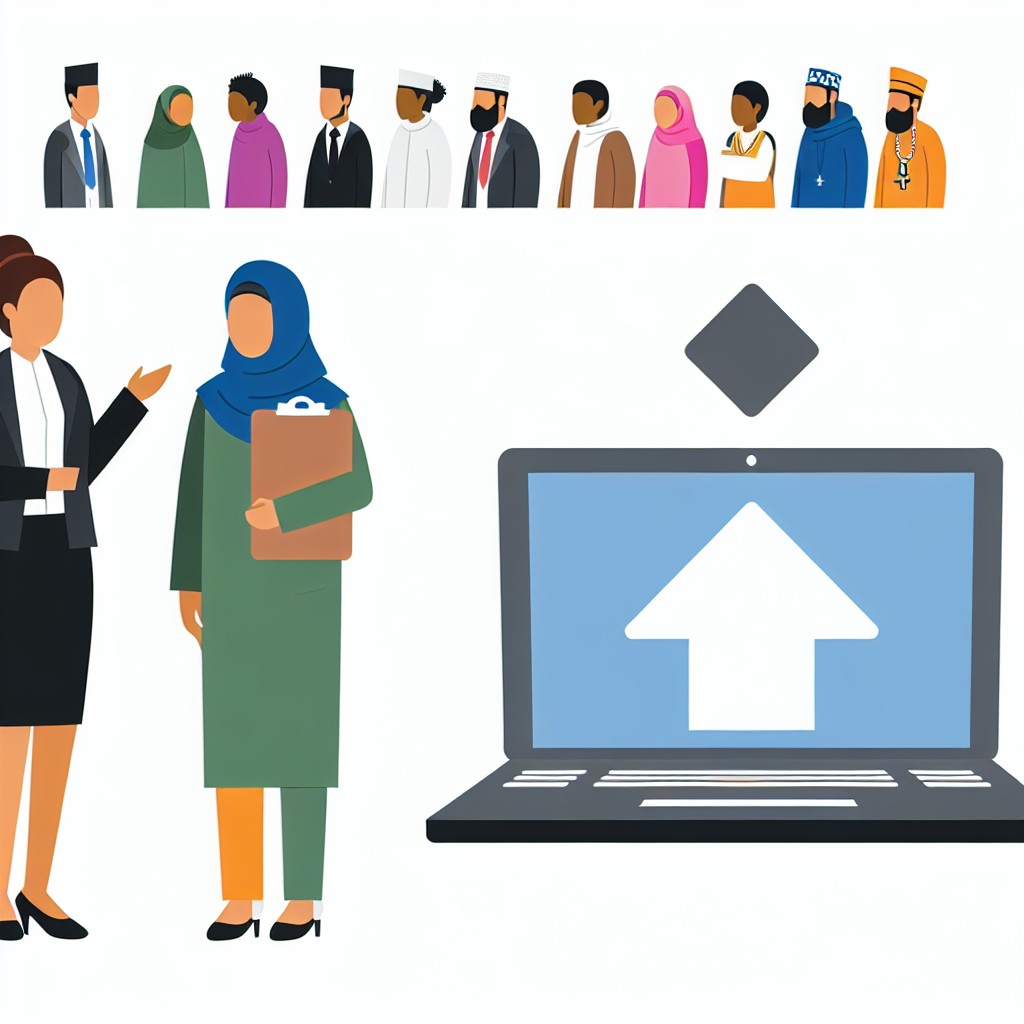
The role of social workers in mental health and addiction support
Providing holistic mental health care
Social workers play a vital role in supporting mental health recovery across New Zealand.
They assess clients’ needs comprehensively to provide personalized care plans.
Moreover, they collaborate closely with psychologists, psychiatrists, and nurses.
This teamwork ensures clients receive holistic treatment and ongoing support.
Social workers also empower individuals to develop coping strategies and build resilience.
Consequently, they help reduce relapse rates and improve overall wellbeing.
Supporting individuals with addiction challenges
Social workers engage with people experiencing addiction to guide recovery processes.
They provide counseling that addresses both addiction and related social issues.
Furthermore, social workers connect clients with community resources for long-term support.
They advocate for access to health services and social benefits essential for recovery.
In addition, social workers offer family support to strengthen recovery environments.
These efforts decrease isolation and promote sustained recovery from addiction.
Community advocacy and education
Social workers actively raise awareness about mental health and addiction challenges.
They deliver educational programs that reduce stigma within local communities.
Through public speaking and workshops, they foster understanding and acceptance.
This advocacy encourages early intervention and increases help-seeking behavior.
They also influence policy development to improve mental health services nationwide.
Ultimately, social workers contribute to creating inclusive and supportive environments.
Collaboration with local organisations
Social workers partner with NGOs, iwi groups, and health providers throughout New Zealand.
They facilitate integrated support networks that address diverse client needs.
For example, Maya Patel coordinates efforts between Mana Whenua Social Services and Auckland Health Trust.
This collaboration improves service accessibility for marginalized populations.
Social workers monitor service effectiveness to ensure continuous quality improvements.
Thus, they strengthen community resilience and promote social justice.
Collaboration Between Social Workers and Other Sectors for Holistic Community Development
Integrating Efforts Across Health, Education, and Housing
Social workers partner with healthcare professionals to address mental and physical health needs.
They work alongside teachers and educators to support children’s learning and well-being.
Moreover, social workers collaborate with housing agencies to secure safe and affordable homes.
This integrated approach creates stronger support networks for vulnerable individuals and families.
Community Safety and Justice Partnerships
Social workers contribute to community safety by cooperating with law enforcement officers.
They engage with the justice system to advocate for restorative practices and rehabilitation.
These collaborations reduce reoffending rates and promote social reintegration.
Consequently, communities become safer and more cohesive over time.
Engagement with Local Government and Nonprofit Organisations
Social workers advise local councils on policies impacting social welfare and inclusion.
They also coordinate programs with nonprofits like Te Puna Oranga to support Māori communities.
These partnerships ensure resources reach diverse populations effectively.
Furthermore, joint efforts enhance community resilience and empowerment.
Economic Development and Employment Initiatives
Social workers team up with workforce agencies to provide training and job placement.
They assist individuals facing barriers such as disability or limited skills.
By fostering employment, social workers help reduce poverty and social exclusion.
Overall, these collaborations stimulate sustainable economic growth in communities.
Fostering Inclusive Community Planning
Social workers facilitate public forums to gather diverse community voices.
They encourage marginalized groups to participate in decision-making processes.
This inclusive approach leads to community plans reflecting everyone’s needs.
As a result, development projects gain broader support and achieve better outcomes.
Challenges Faced by Social Workers in New Zealand
Workload and Resource Limitations
Social workers in New Zealand often manage heavy caseloads.
They face pressure to meet increasing community demands.
Limited resources make delivering effective services more difficult.
Many social workers deal with tight budgets and insufficient staffing.
Rural and remote areas suffer from a lack of accessible support.
Emotional and Psychological Strain
Social workers regularly encounter traumatic situations and complex family dynamics.
This exposure leads to high risks of burnout and compassion fatigue.
They must maintain professionalism despite emotional challenges.
Resilience is crucial for sustaining their mental health and motivation.
Systemic and Cultural Barriers
Social workers navigate bureaucratic processes that can delay interventions.
Cultural differences require social workers to adapt approaches sensitively.
In New Zealand, respecting Maori and Pasifika values is essential.
Social workers must continually develop cultural competency skills.
They also advocate for equitable policies to reduce social disparities.
Resilience Demonstrated by Social Workers
Commitment to Professional Development
Many social workers invest in ongoing education and training.
This commitment helps them stay updated on best practices and policy changes.
For example, Sarah Tavita recently completed a course focused on trauma-informed care.
Such growth strengthens their ability to support vulnerable populations effectively.
Strong Community Connections
Social workers build trust with individuals and community groups.
They engage local leaders to create collaborative solutions.
This network enhances resource sharing and support delivery.
For instance, the Wellington Social Action Network facilitates inter-agency cooperation.
Adaptive Problem-Solving Skills
Social workers demonstrate flexibility when responding to unexpected situations.
They develop creative interventions tailored to client needs.
They learn from challenges to improve future responses.
Michael Rangi, a Christchurch social worker, exemplifies such resourcefulness daily.
Advocacy and Leadership Roles
Social workers actively influence policy reforms and community initiatives.
They raise awareness on pressing social issues like homelessness and child welfare.
Leadership opportunities empower them to create sustainable change.
For example, Aroha Smith leads a campaign addressing youth mental health in Auckland.
Future Outlook for Social Workers in New Zealand’s Community Development
Adapting to Changing Community Needs
Social workers in New Zealand will increasingly respond to diverse and evolving community challenges.
They will address issues related to cultural diversity, urbanisation, and environmental changes.
Furthermore, social workers will play a key role in supporting vulnerable populations during economic shifts.
Consequently, their adaptability and cultural competence will become critical skills.
Integration of Technology and Innovation
New Zealand’s social workers will adopt innovative technologies to enhance service delivery.
Digital tools will facilitate better communication between social workers and clients.
In addition, data-driven approaches will improve assessment and intervention strategies.
These advancements will enable more personalised and timely support for communities.
Strengthening Collaborative Partnerships
Social workers will deepen cooperation with government bodies, iwi, and non-profit organisations.
Partnerships will promote holistic approaches that address social, economic, and health factors.
Collaborations will also enhance resource sharing and foster community empowerment.
Ultimately, social workers will act as connectors to drive sustainable community growth.
Enhancing Advocacy and Policy Influence
Social workers will take on stronger advocacy roles to influence social policy.
They will highlight systemic barriers affecting communities throughout New Zealand.
Moreover, social workers will contribute valuable insights to shape equitable legislation.
As a result, their leadership will advance social justice and human rights initiatives.
Commitment to Professional Development
The future will demand continuous learning and specialised training for social workers.
New Zealand organisations will provide opportunities to develop advanced skills and knowledge.
Professional development will focus on trauma-informed care and culturally safe practices.
Therefore, social workers will remain equipped to meet future community development needs.
Additional Resources
Drivers of Trust in Public Institutions in New Zealand | OECD