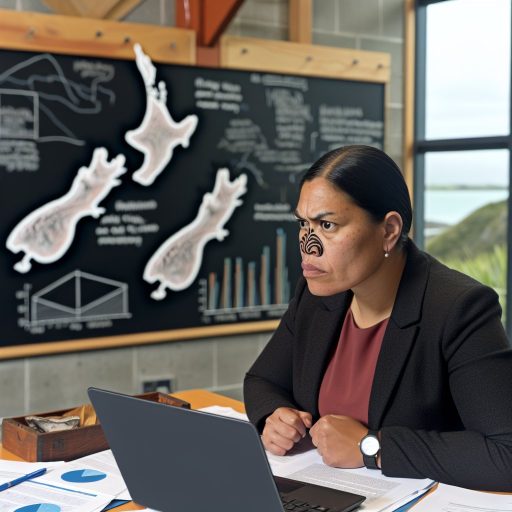




Overview of the Role and Responsibilities of Emergency Management Officers in New Zealand
Core Duties in Disaster Preparedness
Emergency Management Officers lead efforts to prepare communities for disasters.
They develop comprehensive emergency response plans and update them regularly.
Moreover, they conduct risk assessments to identify potential hazards in their areas.
They organize training sessions and drills to ensure readiness among responding agencies.
Additionally, they engage with local communities to promote awareness and preparedness.
Coordination During Crisis Response
During disasters, Emergency Management Officers coordinate multi-agency operations efficiently.
They facilitate communication between government, local authorities, and emergency services.
They monitor evolving situations and adjust response strategies accordingly.
Furthermore, they allocate resources and support to priority zones during emergencies.
They also maintain accurate records of incident activities and decisions for accountability.
Recovery and Community Support
After disasters, these officers aid in organizing recovery and reconstruction efforts.
They collaborate with social services to support affected individuals and families.
They assess damage and help prioritize rebuilding activities to restore normalcy.
Moreover, they analyze response outcomes to improve future disaster management plans.
They continue community engagement to rebuild resilience and reduce vulnerability.
Personalized Career Consulting
Unlock your potential with expert career advice tailored to your goals. Get personalized guidance and actionable steps toward your dream career in New Zealand.
Get StartedEssential Skills and Knowledge
Emergency Management Officers possess strong leadership and decision-making skills.
They demonstrate expertise in risk management and crisis communication.
Technological proficiency in information systems supports their operational duties.
Additionally, they maintain up-to-date knowledge of national policies and legislation.
Strong interpersonal skills enable effective collaboration with diverse stakeholders.
Key Stakeholder Collaboration
Officers work closely with civil defense, fire services, police, and health agencies.
They partner with iwi and community leaders to incorporate local insights.
Private sector collaboration helps integrate business continuity into emergency plans.
They also liaise with regional councils to align strategies across jurisdictions.
Through these partnerships, they strengthen New Zealand’s overall disaster resilience.
Key Skills and Qualifications Required for Emergency Management Officers
Essential Skills for Effective Disaster Response
Emergency management officers require strong communication skills.
They must coordinate efficiently with diverse teams and stakeholders.
Moreover, problem-solving abilities enable quick and accurate decision-making.
Officers also demonstrate leadership to guide teams under pressure.
Transform Your Career with a Professional CV and Cover Letter
Stand out to employers with an ATS-optimized resume and tailored cover letter designed to match your dream role. Let us craft your job application materials for success!
Get StartedAdaptability proves crucial when dealing with unpredictable disaster scenarios.
Technical knowledge of hazard assessment enhances their response capabilities.
Furthermore, time management skills ensure tasks are prioritized effectively.
Conflict resolution helps maintain cooperation during crises.
Officers use critical thinking to anticipate and mitigate potential risks.
Lastly, physical and mental resilience supports demanding emergency roles.
Professional Qualifications and Training
Most emergency management officers hold a bachelor’s degree in related fields.
Common degrees include emergency management, public administration, or environmental science.
Specialist training courses supplement academic qualifications.
For instance, certificates in disaster risk reduction teach practical tools.
Additionally, first aid and CPR certifications are often mandatory.
Regular drills and simulations keep officers prepared for real events.
Many officers gain experience through internships with agencies like Civil Defence New Zealand.
Continuous professional development ensures knowledge stays up-to-date.
Boost Your Career with a Standout LinkedIn Profile
Attract recruiters and expand your network with a fully optimized LinkedIn profile tailored to highlight your strengths and professional goals. Let your profile open doors to new opportunities!
Get OptimizedSome pursue postgraduate studies focusing on crisis leadership and management.
Consequently, certification from recognized bodies enhances credibility and employability.
Interpersonal and Cultural Competency
Emergency management officers must relate well to diverse communities.
They develop cultural competence to address specific community needs respectfully.
Strong interpersonal skills facilitate trust-building with local leaders.
Moreover, sensitivity in communication avoids misunderstandings during crises.
Officers often work with Maori iwi and other groups across New Zealand.
Hence, knowledge of New Zealand’s cultural protocols is a valuable asset.
The ability to work collaboratively promotes inclusive disaster planning.
Officers also provide clear risk communication tailored to different audiences.
Empathy plays a key role in supporting affected populations emotionally.
Ultimately, these skills ensure effective engagement and response outcomes.
Coordination Between Emergency Management Officers and Agencies
Collaboration with Local Agencies
Emergency Management Officers engage closely with local councils during disasters.
They maintain constant communication with police, fire, and ambulance services.
Moreover, officers coordinate evacuation plans and resource distribution within communities.
They also work alongside Civil Defence volunteers to maximize local response capacity.
Additionally, they organize regular meetings to update local stakeholders on emerging threats.
Integration with National Agencies
Emergency Management Officers link local efforts to national directives from the Ministry of Civil Defence and Emergency Management.
They ensure timely reporting of incident status to national operations centers.
Furthermore, officers facilitate deployment of national resources such as the NZ Defence Force when needed.
They also coordinate information sharing with government agencies like GNS Science for hazard monitoring.
Consequently, they align local responses with national recovery frameworks and funding.
Communication and Information Sharing
Timely and accurate information sharing forms the core of effective coordination.
Emergency Management Officers use digital platforms to update all agencies simultaneously.
They organize joint briefings to synchronize understanding of disaster developments.
In addition, officers gather intelligence from field responders to guide decision-making.
Therefore, communication channels stay open and adaptable during rapid situation changes.
Joint Training and Exercises
Emergency Management Officers participate in multi-agency training exercises to build teamwork.
They simulate disaster scenarios with partners to test coordination protocols.
These exercises reveal gaps and help refine collaborative procedures continuously.
By practicing together, agencies develop mutual trust and operational familiarity.
This preparation ensures smooth response when real disasters occur.
Building Partnerships for Resilience
Emergency Management Officers foster long-term relationships with iwi and community groups.
They engage local leaders to incorporate cultural knowledge into response plans.
Moreover, they partner with private sector organizations for logistics and support services.
Through these alliances, the overall disaster response becomes more inclusive and effective.
Ultimately, this network strengthens New Zealand’s resilience against future emergencies.
See Related Content: How Probation Officers Support Rehabilitation in New Zealand
The Importance of Preparedness and Risk Assessment in Emergency Management
Foundations of Preparedness
Preparedness forms the backbone of effective emergency management.
Emergency management officers actively plan for potential disasters.
They develop clear strategies to reduce harm and enhance safety.
Moreover, they coordinate training exercises for teams and communities.
These drills improve readiness and response times significantly.
Therefore, investing time in preparedness helps save lives and property.
Role of Risk Assessment
Risk assessment identifies hazards that threaten communities across New Zealand.
Officers evaluate vulnerabilities in infrastructure, environment, and population.
They consider natural threats like earthquakes, floods, and storms.
Additionally, they analyze human-made risks such as industrial accidents.
Risk analysis helps prioritize resources for prevention and mitigation.
Consequently, it guides decision-making and emergency response planning.
Integrating Preparedness and Risk Assessment
Emergency management officers merge preparedness efforts with comprehensive risk knowledge.
This integration ensures targeted actions that address the most critical risks.
For example, the Wellington Regional Emergency Team continuously updates hazard maps.
They adjust plans based on the latest scientific data and community feedback.
Collaboration across agencies also strengthens overall disaster resilience.
Ultimately, this combined approach reduces the impact of emergencies effectively.
Tools and Techniques for Effective Assessment
Officers use advanced software to simulate disaster scenarios.
Geospatial analysis helps visualize risk exposure in urban and rural areas.
They gather data from local iwi and regional councils to improve accuracy.
Regular community consultations reveal emerging vulnerabilities and concerns.
These tools support dynamic and adaptive emergency management practices.
Building Community Preparedness
Educating the public promotes individual and collective readiness.
Emergency management officers design campaigns tailored to diverse communities.
They distribute resources such as preparedness guides and emergency kits.
Furthermore, they encourage neighborhood response groups to foster collaboration.
This grassroots involvement boosts resilience before disasters strike.
In addition, community feedback helps refine emergency plans continually.
You Might Also Like: How to Build a Career in Public Health Administration in NZ
Training and Professional Development Pathways for Emergency Management Officers in NZ
Foundational Education and Qualifications
Emergency Management Officers in New Zealand commonly start with a relevant bachelor’s degree.
Popular fields include disaster risk management, environmental science, and public safety.
Additionally, many officers pursue studies at institutions like Massey University and Victoria University of Wellington.
These programs lay the groundwork for understanding disaster response principles and management.
Moreover, officers often supplement their education with certifications in first aid and field safety.
Specialized Training Programs
To enhance skills, officers participate in specialized courses offered by agencies like the Ministry of Civil Defence & Emergency Management.
These courses cover topics such as hazard assessment, crisis communication, and incident command systems.
Furthermore, the National Emergency Management Agency provides workshops on coordinating multi-agency responses.
Hands-on training exercises simulate real disaster scenarios to build practical capabilities.
Regular participation in these trainings helps officers stay current with evolving emergency management practices.
On-the-Job Learning and Mentoring
New recruits benefit significantly from mentorship under experienced officers like Emma Tupu and Michael Rangi.
Mentoring programs facilitate knowledge transfer and practical skill development.
Additionally, officers gain valuable experience through rotations in different emergency management roles.
Exposure to various disaster types strengthens decision-making and leadership abilities.
Consequently, on-the-job learning remains an essential component of career progression.
Continuous Professional Development
Emergency Management Officers must regularly update their competencies through continuous education.
They attend national conferences such as the NZ Disaster Resilience Summit to network and learn.
Professional bodies like the NZ Emergency Management Institute provide accredited courses for career advancement.
Officers also complete e-learning modules focusing on new technologies and emerging threats.
In this way, ongoing development ensures readiness for complex disaster response demands.
Paths for Career Advancement
Officers can progress into senior roles by demonstrating leadership and project management skills.
Advanced qualifications, such as a postgraduate diploma in Emergency Management, support this growth.
Some pursue roles within local councils or national agencies like the New Zealand Fire Service.
Furthermore, international attachments and training opportunities broaden professional horizons.
Ultimately, commitment to learning and adaptability drives successful career paths in the field.
Uncover the Details: The Importance of Compliance Officers in NZ’s Public Institutions
Case Studies Highlighting Emergency Management Officers’ Roles in Recent NZ Disaster Responses
Response to the Canterbury Earthquake Sequence
During the Canterbury earthquakes, Emergency Management Officer Emma Walters led coordination efforts.
She worked closely with local authorities and rescue teams to streamline communication.
Additionally, her team established emergency shelters rapidly to support displaced residents.
Emma ensured that critical resources were delivered to affected neighborhoods without delay.
Moreover, she coordinated with health services to address urgent medical needs efficiently.
Managing the Auckland Flood Crisis
Emergency Management Officer Marcus Ng played a crucial role during Auckland’s severe flooding.
He implemented early warning systems that alerted communities at risk of rising waters.
Marcus collaborated with civil defence volunteers to conduct door-to-door evacuation support.
In addition, he organized logistics for food and water distribution in flood-impacted areas.
His proactive measures minimized casualties and enhanced public safety throughout the event.
Supporting Communities After the Wellington Fires
Sophia Patel served as Emergency Management Officer during the Wellington wildfires response.
She coordinated fire containment strategies with firefighting units and local agencies.
Sophia facilitated safe evacuation routes and ensured clear communication with residents.
Furthermore, she managed temporary accommodation setups for families displaced by the fires.
Her leadership helped reduce property losses and safeguarded vulnerable populations effectively.
Hazard Mitigation in Northland’s Cyclone Response
Following the severe cyclone in Northland, Emergency Management Officer Liam Tane coordinated hazard assessments.
He engaged with local iwi to incorporate cultural practices into disaster response plans.
Liam also monitored infrastructure damage and prioritized restoration of critical services.
He led community outreach campaigns, educating residents on cyclone preparedness and safety.
This approach strengthened resilience and supported rapid recovery after the cyclone’s impact.
Role of Emergency Management Officers in Coordinating Volunteer Efforts
Officers like Julia Edwards have been instrumental in organizing volunteers during emergencies.
Julia developed volunteer training programs to enhance skills relevant to disaster situations.
She established clear communication channels between volunteers and official response teams.
Her coordination ensured efficient deployment of volunteers to areas with urgent needs.
Consequently, volunteer contributions significantly bolstered overall emergency response capabilities.
Innovations in Emergency Management Through Technology
In recent events, officers such as Nathan Kim integrated technology for better disaster monitoring.
Nathan implemented drone surveillance to assess hard-to-reach affected zones quickly.
He also utilized mobile apps to gather real-time information from community members.
These innovations improved situational awareness and informed timely decision-making.
Therefore, technology adoption enhanced the effectiveness of emergency management operations.
Explore Further: How Policy Analysts Shape the Future of New Zealand

Challenges Faced by Emergency Management Officers in Disaster Situations
Managing Resource Limitations
Emergency management officers often operate with limited resources during disasters.
Equipment shortages can hamper timely response efforts.
Personnel availability fluctuates depending on disaster severity.
Officers must prioritize tasks and allocate resources efficiently.
They also coordinate with agencies like Wellington Response Services to optimize resource sharing.
Communication Barriers in Crisis
Clear communication proves vital yet challenging amid disaster conditions.
Disruptions to telecommunication infrastructure frequently isolate affected areas.
Officers rely on backup systems such as satellite phones and radio networks.
Diverse language groups require culturally sensitive communication strategies.
This demand for adaptability often stretches communication teams thin.
Stress and Psychological Pressure
Emergency managers face intense stress during prolonged disaster responses.
The pressure to make quick, high-stakes decisions weighs heavily on them.
Witnessing human suffering can cause emotional fatigue.
Organizations promote resilience training and peer support to mitigate this.
Maintaining mental health remains a complex challenge in the field.
Coordinating Multiple Agencies
Disaster response involves numerous organizations with different roles.
Emergency officers must synchronize efforts between police, firefighters, and medical teams.
This coordination requires clear protocols and well-practiced joint exercises.
Conflicting priorities sometimes lead to delays or miscommunication.
Developing strong inter-agency relationships is critical for success.
Adapting to Unpredictable Situations
Disasters evolve rapidly, forcing emergency officers to adjust plans constantly.
Unexpected hazards or weather changes disrupt established response strategies.
Officers use scenario planning to prepare for multiple contingencies.
They must also make real-time decisions under uncertainty and incomplete data.
This dynamic environment demands flexibility and swift problem-solving skills.
Maintaining Public Trust and Engagement
Emergency management officers must communicate effectively with the public.
They provide timely warnings and instructions to safeguard communities.
Misinformation and rumours often complicate this task.
Officers engage with local leaders to foster trust and cooperation.
Ensuring transparency and empathy strengthens public support during crises.
The Impact of Emergency Management Officers on Community Resilience and Recovery
Enhancing Community Preparedness
Emergency Management Officers actively engage with local communities to raise awareness.
They conduct workshops and training sessions to educate residents on disaster readiness.
As a result, communities develop stronger emergency plans and response strategies.
Furthermore, officers collaborate with schools and businesses to spread vital information.
This proactive outreach significantly reduces vulnerability during disasters.
Strengthening Response Coordination
During emergencies, officers coordinate efforts among various agencies and stakeholders.
They ensure efficient communication between local authorities, volunteers, and emergency services.
This coordination accelerates resource deployment and decision-making processes.
Moreover, Emergency Management Officers adapt plans swiftly according to evolving situations.
Consequently, this improves overall response effectiveness and limits disaster impact.
Supporting Long-Term Recovery
Officers play a vital role in guiding communities through recovery phases after disasters.
They assist in assessing damages and prioritizing rebuilding efforts.
Additionally, they facilitate access to financial aid and support services for affected families.
Emergency Management Officers also monitor recovery progress and adjust plans as needed.
Their continuous involvement fosters resilience and accelerates community healing.
Building Collaborative Networks
Emergency Management Officers cultivate partnerships between government, NGOs, and local leaders.
These relationships enhance resource sharing and expertise exchange before and after disasters.
Furthermore, they engage with cultural groups to address diverse community needs.
Such collaboration ensures inclusive and comprehensive disaster management approaches.
Ultimately, strong networks empower communities to recover more rapidly and sustainably.
Technological Tools and Resources Used by Emergency Management Officers in NZ
Communication Systems
Emergency management officers rely heavily on advanced communication systems.
They use radio networks like VHF and UHF for reliable field communications.
Additionally, satellite phones enable connectivity in remote or damaged areas.
Furthermore, digital platforms such as the National Crisis Management Centre system facilitate real-time coordination.
These tools ensure timely information flow during disasters.
Geospatial and Mapping Technologies
Geospatial tools play a crucial role in disaster response planning.
Officers utilize Geographic Information Systems (GIS) to map affected areas precisely.
For instance, Land Vision NZ provides detailed topographical data for emergency operations.
Moreover, drone technology offers aerial surveillance to assess damage efficiently.
These resources improve situational awareness and decision-making.
Data Management and Analytics
Data management systems support the collection and analysis of disaster information.
Emergency officers use platforms like Resilience Hub to monitor risk factors.
Machine learning algorithms help predict disaster impacts based on historical data.
Consequently, this proactive approach enhances preparedness and resource allocation.
Emergency Alert and Warning Systems
Alert systems enable rapid public notification during emergencies.
Emergency Mobile Alert services send messages directly to citizens’ phones nationwide.
Additionally, sirens and digital signage complement mobile alerts in critical zones.
Combined, these technologies ensure swift communication to safeguard communities.
Incident Management Software
Incident management software streamlines coordination among response teams.
Tools such as Task Force Commander NZ organize tasks, resources, and personnel efficiently.
They provide dashboards for tracking ongoing activities and resource availability.
This technology reduces response times and improves operational clarity.
Training Simulators and Virtual Reality
Virtual reality training helps officers prepare for realistic disaster scenarios.
Simulators offered by Kiwi Crisis Solutions immerse teams in crisis environments for practice.
Furthermore, this technology adapts to various emergency types, enhancing readiness.
Such immersive training leads to better performance in real emergencies.
Future Trends and Developments in Emergency Management within New Zealand
Advancements in Technology
Emergency management officers increasingly use advanced technologies to improve disaster response.
Real-time data analytics enhances decision-making during crises.
Drones assist in rapid damage assessments and search operations.
Artificial intelligence helps predict disaster impacts with greater accuracy.
Consequently, response teams deploy resources more efficiently and effectively.
Community Engagement and Preparedness
Engaging local communities remains a key focus for emergency officers.
Programs led by specialists like Rachel Tane promote resilience at the grassroots level.
Ongoing public education increases awareness of disaster risks.
Emergency drills now incorporate inclusive practices to ensure all groups participate.
This approach fosters stronger community collaboration and quicker recovery.
Strengthening Interagency Collaboration
Cooperation between agencies grows vital as disasters become more complex.
Local organizations such as Kiwi Response Network coordinate closely with government bodies.
Regular joint exercises improve communication and operational readiness.
Additionally, shared digital platforms enable seamless information exchange.
These efforts collectively enhance New Zealand’s overall disaster resilience.
Integration of Climate Change Strategies
Emergency management increasingly aligns with climate adaptation policies.
Officers like Liam Fitzgerald develop plans addressing rising climate risks.
They incorporate data on extreme weather patterns and sea-level rise.
Sustainable infrastructure projects reduce disaster vulnerability.
Integrating climate science helps protect communities from future hazards.
Development of Specialized Training Programs
New training initiatives prepare officers for evolving emergency challenges.
Institutions like Wellington Emergency Academy offer cutting-edge courses.
Training includes cyber security, pandemic response, and technological tools.
Mentorship programs led by experts such as Emma Ng strengthen leadership skills.
Ongoing professional development ensures a highly competent emergency workforce.