




Introduction to Compassion in New Zealand Healthcare Careers
Defining Compassion in Healthcare
Compassion means recognizing and responding to the suffering of others.
It involves empathy, kindness, and a genuine desire to help patients.
In healthcare, compassion transcends basic medical treatment.
It builds trust and strengthens the patient-caregiver relationship.
Why Compassion Matters in New Zealand’s Healthcare System
New Zealand’s healthcare system emphasizes patient-centered care.
Consequently, compassion plays a crucial role in improving health outcomes.
Healthcare professionals like nurses and doctors must engage with patients genuinely.
Moreover, compassionate care reduces patient anxiety and fosters healing.
Compassion as a Foundation for Healthcare Careers
Employers in New Zealand value compassionate qualities highly during recruitment.
Indeed, compassionate professionals contribute to a supportive workplace culture.
This quality influences teamwork, communication, and job satisfaction positively.
Therefore, cultivating compassion benefits both healthcare workers and their patients.
Examples of Compassion in Everyday Healthcare Settings
- Listening attentively to patients’ concerns without rushing.
- Offering emotional support during difficult or stressful times.
- Respecting cultural values, such as those of Māori and Pasifika patients.
- Providing clear explanations to help patients feel informed and respected.
The Impact of Compassion on Patient Outcomes and Satisfaction
Enhancing Patient Recovery Through Compassion
Compassion plays a critical role in accelerating patient recovery.
When healthcare providers show empathy, patients often feel more supported.
Consequently, patients tend to follow treatment plans more diligently.
Personalized Career Consulting
Unlock your potential with expert career advice tailored to your goals. Get personalized guidance and actionable steps toward your dream career in New Zealand.
Get StartedResearch also links compassionate care with lower stress levels in patients.
Lower stress can lead to improved immune response and healing.
Building Trust and Open Communication
Compassion fosters trust between patients and healthcare professionals.
Trust encourages patients to share more accurate health information.
Open communication allows for better diagnosis and personalized care.
Moreover, it reduces patient anxiety during hospital visits.
Thus, compassionate interactions contribute to overall patient satisfaction.
The Role of Compassion in Patient Satisfaction
Patients often judge healthcare quality by the level of compassion received.
Kindness and understanding improve patients’ overall experience.
Positive experiences lead to higher rates of patient loyalty and referrals.
Healthcare providers like Southern Cross Health Group emphasize compassion training for staff.
Such initiatives have shown measurable improvements in patient satisfaction scores.
Compassion as a Key Factor in Cultural Sensitivity
In New Zealand’s diverse society, compassion enhances cultural sensitivity.
Healthcare workers who listen empathetically better respect Māori and Pacific Island values.
Transform Your Career with a Professional CV and Cover Letter
Stand out to employers with an ATS-optimized resume and tailored cover letter designed to match your dream role. Let us craft your job application materials for success!
Get StartedThis respect improves health equity across different communities.
Furthermore, compassionate care reduces barriers to accessing healthcare services.
Compassion helps create a more inclusive healthcare environment.
Benefits of Compassion for Healthcare Providers
Compassion not only benefits patients but also improves providers’ job satisfaction.
Empathetic care reduces burnout and increases professional fulfilment.
Clinics such as Wellington Health Partners encourage compassion to strengthen teams.
This supportive atmosphere enhances collaboration and patient outcomes.
Therefore, compassion creates a positive cycle benefiting everyone involved.
How Compassion Enhances Communication Between Healthcare Professionals and Patients
Building Trust Through Empathy
Compassion enables healthcare professionals to better understand patient concerns.
When patients feel heard, they become more open and honest during consultations.
This openness fosters trust, which is essential for effective care delivery.
For example, Nurse Mia Thompson at Wellington Medical Centre uses empathetic listening to connect deeply.
Consequently, patients like Mr. Rangi White feel more comfortable sharing sensitive health details.
Improving Clarity and Understanding
Healthcare workers who show compassion carefully explain medical information.
Boost Your Career with a Standout LinkedIn Profile
Attract recruiters and expand your network with a fully optimized LinkedIn profile tailored to highlight your strengths and professional goals. Let your profile open doors to new opportunities!
Get OptimizedThey avoid jargon to ensure patients fully comprehend their conditions and treatments.
Dr. Emily Foster at Christchurch Health Clinic regularly checks patient understanding before proceeding.
Moreover, compassionate communication reduces patient anxiety and confusion.
As a result, patients adhere better to treatment plans and follow-up care.
Encouraging Patient Engagement and Collaboration
Compassion creates an inviting atmosphere where patients actively participate in decisions.
Healthcare professionals like physiotherapist Liam Clarke encourage questions and feedback from patients.
This collaborative approach empowers patients to take ownership of their health journey.
In turn, shared decision-making leads to tailored treatments that align with patient preferences.
Ultimately, compassionate communication promotes a partnership rather than a one-sided interaction.
Fostering Emotional Comfort and Support
Showing compassion provides patients with emotional comfort during challenging times.
For example, social worker Aroha Davis offers support that eases patient stress and fear.
This emotional connection helps patients cope with serious diagnoses and recovery processes.
Furthermore, feeling cared for enhances healing outcomes and overall wellbeing.
Compassion’s Role in Team Coordination Among Healthcare Professionals
Compassion also strengthens communication among healthcare professionals.
When colleagues show understanding and respect, teamwork improves significantly.
At Auckland Regional Hospital, compassionate collaboration enables better patient care continuity.
Therefore, compassion contributes not only to patient relations but also to effective clinical teamwork.
Integrating compassion boosts communication quality throughout healthcare settings.
You Might Also Like: Navigating Healthcare Career Pathways in New Zealand’s Rural Areas
The Role of Cultural Competence and Empathy in Compassionate NZ Healthcare Delivery
Understanding Cultural Competence in Healthcare
Cultural competence involves recognizing and respecting diverse cultural backgrounds.
It allows healthcare professionals to provide more personalized care.
Moreover, it helps reduce misunderstandings and improves patient trust.
For example, nurses at Wellington Medical Centre receive training in cultural awareness.
This training equips them to support Māori, Pacific, and other cultural communities effectively.
How Empathy Enhances Patient Relationships
Empathy enables caregivers to genuinely understand patient feelings and needs.
This connection fosters emotional support and promotes healing processes.
At Harbourview Health, practitioners practice active listening to build empathy.
Consequently, patients feel more comfortable sharing sensitive health information.
Empathetic care leads to increased patient satisfaction and better health outcomes.
Integrating Cultural Competence and Empathy in Care
Combining cultural competence with empathy creates a holistic healthcare approach.
This integration respects patients’ cultural identities alongside their emotional experiences.
Clinicians like Dr. Mele Kahukura emphasize both skills in everyday practice.
They adapt communication styles to align with cultural norms and expressions.
Such tailored interactions strengthen the patient-provider relationship sustainably.
Addressing Challenges and Creating Opportunities in NZ Healthcare
One challenge involves overcoming unconscious biases that affect care quality.
Training programs at Southern Lakes Hospital address these biases systematically.
They use role-playing scenarios to develop empathy in diverse cultural contexts.
Institutions also encourage staff to engage with local communities regularly.
These efforts create opportunities for culturally safe and respectful healthcare delivery.
Effective Strategies to Enhance Compassion in Healthcare
- Attend workshops focused on cultural humility and empathy development.
- Engage in reflective practices to recognize personal biases and assumptions.
- Collaborate with cultural liaison officers to improve communication.
- Utilize interpreter services to ensure clear and respectful dialogue.
- Encourage patient-centered care plans that include cultural preferences.
Following these strategies improves care effectiveness and patient trust.
Gain More Insights: How Rural Healthcare Roles Are Bridging Gaps in NZ’s Health System
Training and Development Programs Focused on Cultivating Compassion in Healthcare Workers
Compassion as a Core Competency in Healthcare
Healthcare organizations in New Zealand recognize compassion as essential for quality care.
Many training programs emphasize emotional intelligence and patient-centered practices.
These skills improve communication and build trust between caregivers and patients.
Compassionate care enhances overall patient satisfaction and outcomes.
Structured Compassion Training Initiatives
The Auckland Health Network offers workshops dedicated to empathy and active listening.
Programs combine theoretical knowledge with practical role-playing exercises.
Otago Medical School integrates compassion modules throughout their clinical training.
Participants complete reflective journaling and peer discussions to deepen understanding.
Wellington’s Mercy Hospital provides simulation scenarios to practice compassionate responses.
Mentorship and Peer Support Programs
Mentorship encourages new healthcare workers to adopt compassionate behaviors early in their careers.
Senior nurses such as Sarah Mitchell guide juniors through complex emotional situations.
Peer support groups foster a community focused on empathy and kindness.
They offer safe spaces for sharing experiences and coping strategies.
Use of Technology in Compassion Development
Virtual reality tools simulate patient experiences to heighten caregiver empathy.
For instance, Empathic Solutions partners with hospitals to deliver immersive training modules.
These modules help healthcare workers understand patients’ physical and emotional challenges.
Online platforms provide accessible courses on mindfulness and stress management.
Impact of Compassion Training on Healthcare Careers
Compassion training improves career satisfaction and reduces burnout rates.
Healthcare workers feel more connected to their purpose and patients.
As a result, institutions in New Zealand report higher retention and better team dynamics.
Investing time in developing compassion profoundly benefits both professionals and patients.
Delve into the Subject: How Technology Is Transforming Healthcare Roles in New Zealand
Challenges Faced by Healthcare Professionals in Maintaining Compassion Under Stress
Emotional Fatigue and Burnout
Healthcare professionals often face intense emotional demands.
Repeated exposure to patient suffering can cause emotional fatigue.
Additionally, long working hours increase the risk of caregiver burnout.
Nurses like Olivia Martin from Greenfield Hospital report exhaustion after shifts.
This exhaustion frequently reduces their ability to empathize with patients.
High Patient Workloads and Time Constraints
Many healthcare workers face pressure from high patient volumes.
Time constraints often limit meaningful patient interaction.
Consequently, practitioners may find it difficult to provide compassionate care.
Dr. Marcus Bennett at Central City Clinic shares that back-to-back appointments reduce communication time.
Nevertheless, maintaining empathy remains critical despite these hurdles.
Impact of Organizational Culture and Policies
Organizational expectations greatly influence how compassion is practiced.
Strict protocols sometimes favor efficiency over personal connection.
Institutions such as Lakeside Health Board enforce targets that pressure staff for speed.
This pressure can limit compassionate responses to individual patient needs.
However, supportive leadership can nurture a culture valuing empathy.
Managing Personal Stressors for Better Compassion
Healthcare workers deal with stress from work and personal life alike.
External pressures can add to emotional strain experienced at work.
For example, paramedics like Sophie Lang balance shifts with family responsibilities.
This combination may lessen emotional resilience over time.
Therefore, personal well-being impacts one’s capacity to show compassion.
Techniques to Address Compassion Fatigue
- Seeking peer support through regular team debriefings.
- Engaging in mindfulness and stress-relief exercises.
- Attending professional development sessions on emotional resilience.
- Using counseling services provided by organizations like WellCare Support.
Applying these methods helps practitioners sustain empathetic connections with patients.
Gain More Insights: Understanding the Path to Becoming a Specialist Nurse in NZ
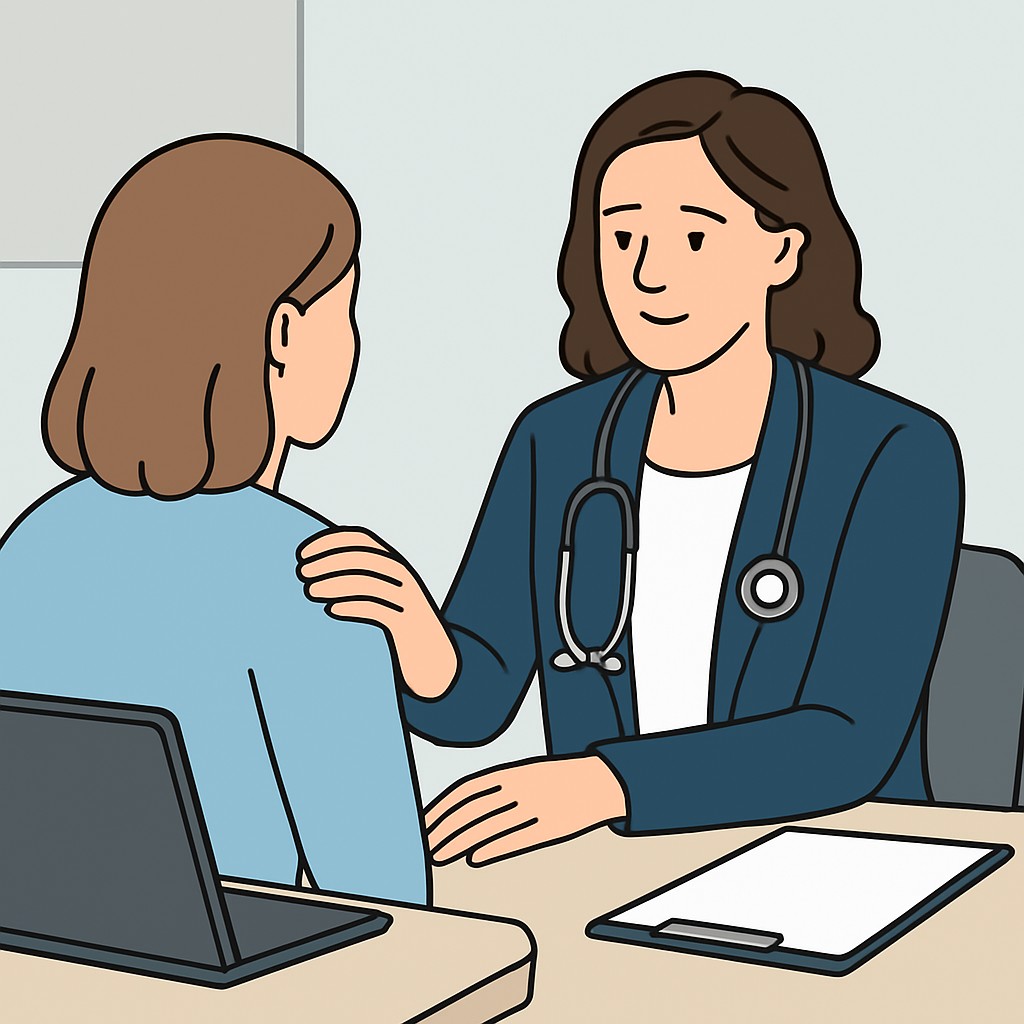
The Influence of Compassionate Care on Career Growth
Enhancing Patient Trust and Loyalty
Compassionate care builds strong patient relationships based on trust.
Patients feel valued when healthcare providers show genuine concern.
Consequently, loyal patients often recommend compassionate professionals to others.
This positive feedback boosts a healthcare worker’s reputation substantially.
Improving Communication and Collaboration
Compassion fosters open communication between healthcare staff and patients.
It encourages active listening and empathy during medical consultations.
Therefore, teams that practice compassion experience smoother collaboration.
Strong teamwork often leads to better patient outcomes and career recognition.
Compassion’s Role in Building Professional Reputation
Gaining Respect Among Colleagues and Employers
Compassionate healthcare workers earn respect within their professional circles.
Leaders like Dr. Samuel Hastings from Christchurch praise empathetic team members.
This respect often translates into career advancement opportunities and leadership roles.
Thus, professionals who consistently show compassion stand out in their field.
Positive Impacts on Workplace Culture
A workplace that values compassion nurtures a supportive environment.
Compassionate individuals like nurse Leah Kim enhance team morale daily.
This environment reduces burnout and increases job satisfaction.
As a result, employees are more likely to grow and thrive professionally.
Long-Term Benefits of Compassionate Practice
Building a Strong Professional Network
Compassion opens doors to meaningful connections within the healthcare community.
Healthcare professionals often share referrals based on positive experiences.
Consequently, a compassionate reputation helps expand one’s professional network.
This network supports continuous learning and career opportunities throughout New Zealand.
Encouraging Lifelong Learning and Development
Compassion motivates healthcare workers to understand patient needs deeply.
It drives pursuit of additional training and specialized skills.
Therefore, compassion acts as a catalyst for ongoing professional growth.
Ultimately, this growth leads to improved career trajectories and job fulfillment.
Case Studies of Compassionate Care Enhancing Workplace Environments
Whanganui Hospital’s Peer Support Initiative
Whanganui Hospital implemented a peer support program for healthcare staff.
The program encourages team members to offer emotional support during stressful shifts.
Consequently, staff report higher job satisfaction and reduced burnout symptoms.
This compassionate culture has improved communication across departments.
Moreover, it fosters a sense of belonging and teamwork among colleagues.
Compassion in General Practice: The Story of Dr. Elina Ratu
Dr. Elina Ratu integrates compassionate care into everyday patient interactions.
By actively listening, she builds trust and understanding with patients.
This approach has led to better patient compliance and outcomes.
Additionally, her practice environment feels supportive and respectful to all staff.
The positive atmosphere encourages collaboration between medical assistants and doctors.
Counties Manukau Health’s Compassionate Leadership Program
Counties Manukau Health developed a leadership program emphasizing empathy and support.
Leaders learn to model compassionate behaviours for their teams.
As a result, workplace stress has decreased significantly among clinical staff.
The program also enhances managers’ ability to resolve conflicts diplomatically.
This leads to a more cohesive and motivated workforce.
Examples of Compassionate Practices Improving Staff Wellbeing
- Regular debrief sessions following critical incidents help staff process emotions.
- Flexible scheduling allows carers to manage personal commitments effectively.
- Recognition programs celebrate staff efforts and kindness shown to patients.
- Mental health resources are made readily available to all healthcare workers.
Collectively, these practices build a compassionate workplace culture.
The compassionate environment ultimately improves both staff retention and patient care.
Strategies for Integrating Compassion into Everyday Healthcare Practice in New Zealand
Prioritizing Patient-Centered Communication
Healthcare professionals must actively listen to patients’ concerns and feelings.
Clear and empathetic communication builds trust between clinicians and patients.
Moreover, it helps tailor treatments to individual needs effectively.
Using simple language avoids confusion and reassures patients during stressful times.
Finally, acknowledging cultural differences strengthens rapport in New Zealand’s diverse communities.
Incorporating Cultural Competence and Respect
Understanding Māori health perspectives is vital when delivering care.
New Zealand healthcare workers should participate in cultural safety training regularly.
Respect for iwi and hapū traditions fosters stronger patient relationships.
Additionally, offering services in multiple languages helps break communication barriers.
Clinicians must integrate cultural competence into clinical decisions consistently.
Encouraging Team Collaboration and Emotional Support
Compassion thrives in healthcare teams that communicate openly and support each other.
Nurses, doctors, and allied health staff should share insights to improve patient care.
Regular staff debriefings help manage emotional stress and prevent burnout.
Furthermore, peer support programs create a positive and empathetic workplace.
Leaders like Dr. Aaron MacGregor promote compassionate leadership at Wellington Hospital.
Implementing Reflective Practice and Self-Awareness
Healthcare workers should engage in reflection to understand their emotions and reactions.
Journaling and mindfulness workshops offered by Canterbury Health help develop self-awareness.
This practice promotes empathy by acknowledging personal biases and limitations.
Additionally, it encourages continual growth in compassionate patient care.
Self-care routines enable practitioners like Emma Rangi to maintain emotional resilience daily.
Utilizing Technology to Enhance Compassionate Care
Telehealth platforms reduce barriers for rural and elderly patients in New Zealand.
Clinicians use video calls to provide personalized attention despite physical distance.
Electronic health records ensure seamless information sharing, improving patient understanding.
Moreover, apps designed by Kiwi startups support mental health with compassionate reminders.
Thus, technology complements human empathy without replacing personal interaction.
Providing Compassionate Education and Training
Universities like the University of Auckland integrate empathy modules into healthcare curricula.
Role-playing scenarios enable students to practice compassionate responses in real situations.
Workshops conducted by Mercy Ascot Hospital focus on emotional intelligence development.
Continuing professional development programs emphasize compassion as a core clinical skill.
Ultimately, education transforms knowledge into genuine kindness in healthcare delivery.
The Relationship Between Compassion, Mental Health, and Resilience Among NZ Healthcare Workers
The Impact of Compassion on Mental Health
Compassion directly improves the mental well-being of healthcare workers in New Zealand.
It builds a supportive environment where staff feel valued and understood.
Moreover, compassionate interactions reduce burnout and stress.
When nurses and doctors show empathy, they create emotional connections with patients.
This connection helps healthcare workers find meaning in daily tasks.
As a result, compassion protects workers from mental health challenges.
Building Resilience Through Compassionate Practices
Resilience matters for healthcare workers facing high-pressure situations.
Compassion strengthens their ability to recover from workplace stress.
It also encourages self-care and reflection after difficult experiences.
Teams led by managers like Emma Carter at Wellington Health Network emphasize compassion.
Consequently, they experience higher morale and stronger teamwork.
Thus, compassion supports emotional endurance and adaptability.
Challenges Healthcare Workers Face Without Compassion
A lack of compassion often leads to isolation and emotional fatigue.
Staff may then experience lower job satisfaction and higher turnover.
These effects harm both personal mental health and patient care quality.
Furthermore, overwhelmed workers struggle to maintain professional boundaries.
As a result, their ability to cope with stress weakens steadily.
Organizational Support for Compassionate Care
Healthcare organizations like Southern Cross Hospitals run compassion training programs.
These programs teach empathetic communication and self-compassion techniques.
They also include mindfulness and stress management tools.
Human resource manager Olivia Matthews reports better employee wellness after these initiatives.
Therefore, investment in compassion strengthens workplace resilience and mental health.
Additionally, it improves patient outcomes through more attentive care.
Practical Ways to Cultivate Compassion and Resilience
- Create peer support groups to share experiences and coping strategies.
- Encourage regular breaks and mental health days to prevent burnout.
- Offer workshops that build emotional intelligence and empathy skills.
- Promote leadership that consistently models compassionate behavior.
- Use feedback tools to assess staff well-being and identify improvements.
These measures help healthcare workers sustain compassion.
Ultimately, they support stronger mental health and greater resilience across the sector.
Additional Resources
Overcoming the “good enough” mindset as an aspiring psychologist
Healthcare compassion interventions co-design and feasibility …