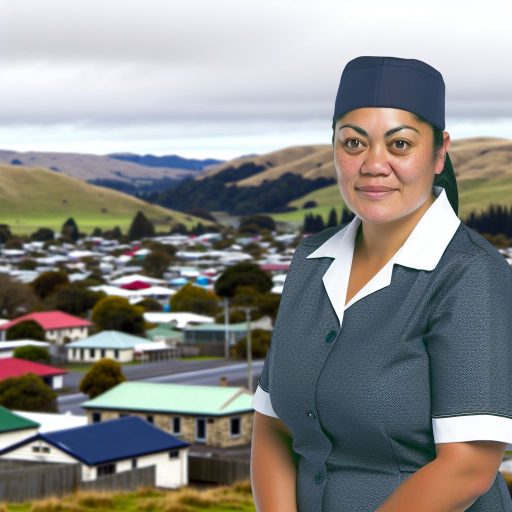




Overview of Healthcare Career Opportunities in New Zealand’s Rural Areas
Diverse Roles Available in Rural Healthcare
Rural areas in New Zealand offer a wide range of healthcare career opportunities.
These roles include general practitioners, nurses, midwives, and allied health professionals.
Rural hospitals and clinics often require pharmacists and medical laboratory scientists.
Paramedics and rural health advisors play critical roles in emergency and community care.
The healthcare workforce in rural areas is diverse and dynamic.
Benefits of Pursuing a Rural Healthcare Career
Choosing a career in rural healthcare provides unique professional experiences.
Healthcare workers often build strong relationships with their communities.
Rural roles can offer greater autonomy and diverse clinical challenges.
Many professionals appreciate the variety of cases encountered in rural settings.
Rural employers sometimes provide financial incentives and career development support.
Key Employers and Organisations in Rural Healthcare
Healthcare services in rural New Zealand are delivered by district health boards (DHBs).
The MidCentral DHB and Lakes DHB support healthcare in rural communities.
Primary Health Organisations (PHOs) play a vital role in rural health delivery.
Private rural general practices and clinics create additional job opportunities.
Community health providers and Māori health organisations serve important cultural needs.
Personalized Career Consulting
Unlock your potential with expert career advice tailored to your goals. Get personalized guidance and actionable steps toward your dream career in New Zealand.
Get StartedStrategies for Finding Rural Healthcare Positions
Job seekers should explore specialized rural recruitment platforms and DHB websites.
Networking with rural health professionals can uncover unadvertised opportunities.
Attending rural health recruitment events boosts direct employer contact.
Volunteering or completing rural clinical placements helps gain relevant experience.
These approaches increase the chances of securing rewarding rural healthcare roles.
Key Challenges Faced by Healthcare Professionals in Rural Settings
Limited Access to Resources and Infrastructure
Healthcare professionals often encounter restricted access to advanced medical equipment.
Remote clinics typically have limited facilities compared to urban hospitals.
Consequently, practitioners must rely on basic tools to provide care.
Infrastructure issues can delay emergency response times significantly.
Inadequate internet connectivity hampers telemedicine opportunities.
Workforce Shortages and Professional Isolation
Many rural areas struggle to attract and retain skilled healthcare workers.
This shortage increases workloads and leads to burnout among staff.
Isolation from peers results in reduced opportunities for professional development.
Limited mentorship restricts the growth of junior clinicians.
Transform Your Career with a Professional CV and Cover Letter
Stand out to employers with an ATS-optimized resume and tailored cover letter designed to match your dream role. Let us craft your job application materials for success!
Get StartedHealthcare workers often feel disconnected from the wider medical community.
Balancing Community Expectations and Clinical Demands
Healthcare professionals face pressure to address a broad range of health issues.
They often provide services beyond their usual scope of practice.
Strong community ties create emotional challenges in care delivery.
Trust and familiarity with patients can both aid and complicate clinical decisions.
Practitioners must balance empathy with professional boundaries carefully.
Financial and Career Development Constraints
Rural positions may offer fewer financial incentives compared to urban roles.
Limited access to training programs hinders career progression.
Motivated healthcare workers might seek opportunities elsewhere.
Relocation costs and family considerations affect job choices.
Sustainable career paths in rural healthcare require targeted support.
Educational Pathways and Training Programs Tailored for Rural Healthcare
Specialized Rural Healthcare Courses
Several New Zealand institutions offer specialized courses focused on rural healthcare.
For instance, Otago Polytechnic provides a Rural and Remote Nursing program.
This program enhances practical skills to meet unique challenges in rural settings.
Boost Your Career with a Standout LinkedIn Profile
Attract recruiters and expand your network with a fully optimized LinkedIn profile tailored to highlight your strengths and professional goals. Let your profile open doors to new opportunities!
Get OptimizedMoreover, the University of Otago offers a Postgraduate Diploma in Rural Health.
This diploma equips healthcare professionals with knowledge about rural community health needs.
Apprenticeships and Mentorship Opportunities
Apprenticeships play a crucial role in preparing healthcare workers for rural environments.
Wellington Rural Health Trust facilitates mentorship programs connecting students with rural practitioners.
These programs provide hands-on experience and professional guidance.
Consequently, participants gain confidence in managing rural healthcare challenges.
Government-Backed Training Initiatives
The Ministry of Health supports various training initiatives targeting rural healthcare workforce development.
One such initiative includes scholarships for medical students committed to rural practice.
Additionally, targeted workshops focus on cultural competency and emergency response skills.
These initiatives aim to strengthen rural healthcare delivery and retention of staff.
Community-Based Learning and Practical Exposure
Community immersion programs allow trainees to understand rural populations intimately.
For example, Southland Health encourages student placements in small town clinics.
These placements enhance practical skills and familiarity with rural health service dynamics.
Students learn to adapt care approaches based on resource availability and community needs.
Continuing Professional Development for Rural Staff
Ongoing education is vital for rural healthcare professionals to stay updated.
Institutes like Te Pukenga offer flexible online workshops catering to remote workers.
This format allows rural staff to improve competencies without significant travel interruptions.
Furthermore, group seminars foster peer support and knowledge sharing among practitioners.
Delve into the Subject: How Rural Healthcare Roles Are Bridging Gaps in NZ’s Health System
Government Incentives and Support for Rural Healthcare Workers
Financial Incentives to Attract Professionals
The New Zealand government actively provides financial incentives.
These incentives encourage rural healthcare employment.
For instance, rural retention allowances reward long-term service.
The rewards target underserved communities.
Additionally, relocation grants help healthcare workers move.
These grants cover moving expenses to rural areas.
Such incentives reduce financial barriers nationwide.
They attract skilled professionals to rural healthcare roles.
Professional Development and Training Support
The government offers funded training programs for rural staff.
These programs are tailored to rural healthcare needs.
Furthermore, scholarships support students committing to rural careers.
Continuous education initiatives enhance worker skills.
Improved skills lead to better rural healthcare quality.
Consequently, workers feel well prepared and valued.
Community Integration and Wellbeing Programs
The Ministry of Health funds social integration initiatives.
These programs support rural healthcare workers.
Support includes assistance with housing and engagement.
Mental health resources address rural healthcare stress.
This support fosters job satisfaction and reduces isolation.
Collaboration with Rural Health Providers
The government partners with organizations like Rural Health New Zealand.
These partnerships implement effective workforce strategies.
They ensure practical support where it matters most.
Effective communication channels help address challenges promptly.
They also share best practices across rural health providers.
Ultimately, these collaborations strengthen workforce sustainability.
See Related Content: How Technology Is Transforming Healthcare Roles in New Zealand
Role of Māori Health Perspectives in Rural Healthcare Services
Incorporating Whānau-Centered Care
Māori health perspectives prioritize whānau-centered care in rural communities.
This approach recognizes family and community as essential to wellbeing.
Healthcare providers actively involve whānau in treatment and recovery plans.
Consequently, trust and cooperation improve between patients and providers.
For example, Te Rūnanga o Ngāti Tūwharetoa works closely with local clinics to support whānau engagement.
Understanding Hauora and Holistic Health
Hauora is a Māori concept of holistic health that encompasses physical, mental, and spiritual wellbeing.
This worldview shapes rural health initiatives to address multiple dimensions of health.
Healthcare practitioners like Dr. Hana Taitoko integrate this model in care strategies.
Therefore, treatments consider environmental, social, and cultural factors alongside clinical needs.
Partnering with Māori Health Providers
Māori health providers play a vital role in delivering culturally appropriate services.
Organizations such as Ngā Pou o te Ora provide health education and advocacy in rural areas.
Collaboration between rural clinics and these providers improves healthcare access.
In addition, joint efforts address barriers like language and mistrust of mainstream services.
Addressing Health Inequities in Rural Māori Communities
Rural Māori populations face significant health disparities compared to urban counterparts.
These inequities result from historical and socio-economic disadvantages.
Healthcare leaders like Mereana Puketapu emphasize equity-focused policies and programs.
As a result, initiatives target preventing chronic diseases and improving early diagnosis.
Integrating Mātauranga Māori in Health Training
Training rural healthcare workers includes incorporating mātauranga Māori knowledge.
This education builds cultural competence and sensitivity among practitioners.
Institutes like Te Whare Wānanga o Aotearoa offer courses blending Western and Māori health teachings.
Ultimately, this integration fosters better communication and outcomes in rural settings.
Delve into the Subject: Understanding the Path to Becoming a Specialist Nurse in NZ
Navigating Job Placements and Recruitment in Rural Healthcare Facilities
Understanding Recruitment Challenges in Rural Areas
Rural healthcare facilities often face unique recruitment challenges.
They struggle to attract qualified professionals due to geographic isolation.
Limited resources and infrastructure can deter candidates.
Candidates may worry about fewer career growth opportunities.
Recruitment teams must develop targeted strategies for rural hiring.
Effective Recruitment Strategies for Rural Healthcare
Healthcare providers like Valley Ridge Medical Group use innovative recruitment methods.
They emphasize the benefits of rural living in job postings.
Community engagement and lifestyle advantages receive special highlight.
Flexible work arrangements attract diverse healthcare professionals.
Recruiters partner with medical schools such as Northbridge University for placements.
Job Placement Support and Incentives in Rural Settings
Organizations like Pine Valley Health offer comprehensive job placement support.
They assist with relocation logistics and housing options.
Financial incentives compensate for challenges faced in rural environments.
These include relocation grants, student loan repayments, and rural allowances.
Mentorship programs help new hires integrate quickly and confidently.
Expanding Reach Using Networks and Digital Platforms
Recruiters maximize outreach through professional networks and local contacts.
They use online platforms, such as KiwiHealthJobs.nz, to increase reach.
Virtual job fairs connect candidates with rural employers efficiently.
Social media campaigns showcase successful rural healthcare stories.
These efforts increase candidate interest and improve retention.
Important Considerations for Applicants Seeking Rural Healthcare Roles
Applicants should research the community and healthcare facility thoroughly.
They must prepare to discuss rural healthcare challenges during interviews.
Networking with rural healthcare professionals provides valuable insights.
Being flexible with job roles can enhance employment prospects.
Demonstrating commitment to community health improves candidacy significantly.
See Related Content: The Growing Demand for Allied Health Professionals in New Zealand
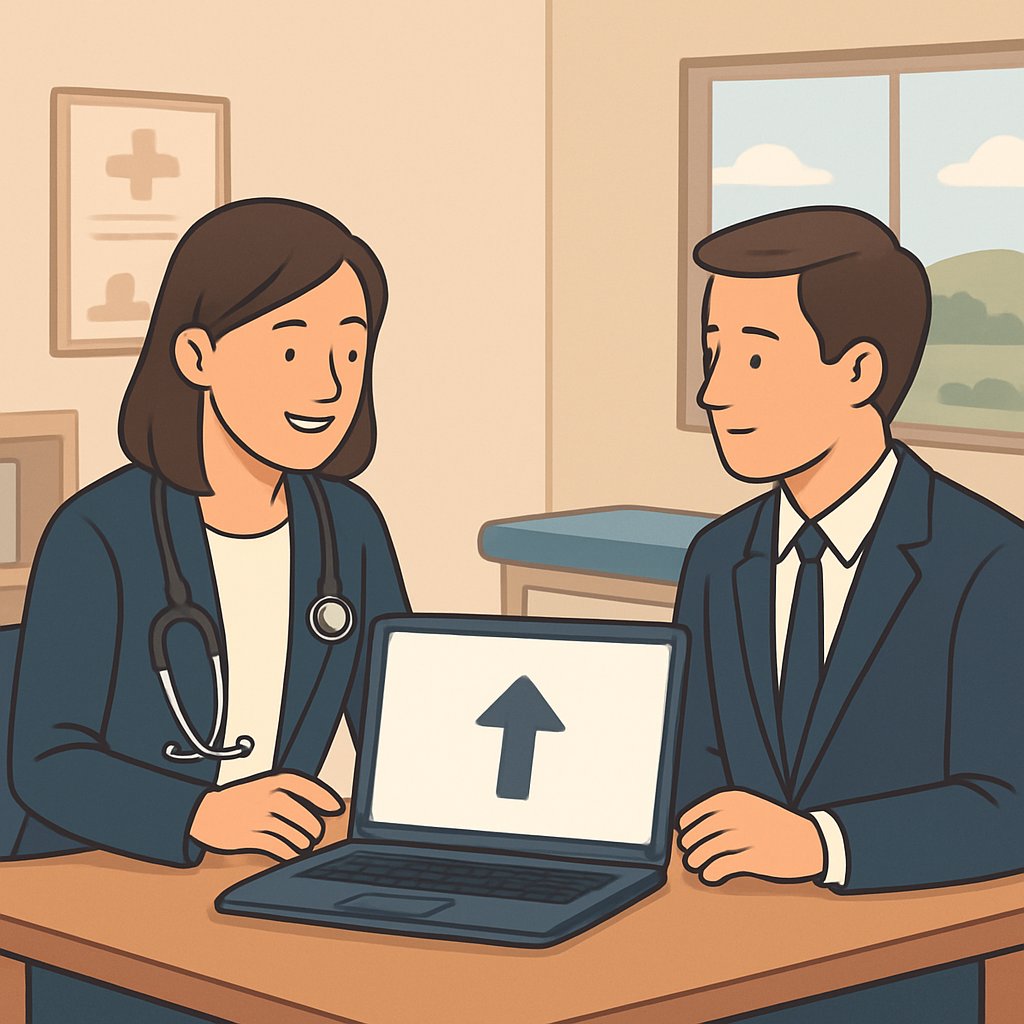
Impact of Telehealth and Technology on Rural Healthcare Careers
Enhancing Access to Care Through Technology
Telehealth improves healthcare access for rural communities significantly.
It bridges the distance between patients and healthcare professionals efficiently.
Consequently, rural clinicians like Hannah McLeod can reach more patients daily.
Moreover, technology supports continuous monitoring of chronic conditions remotely.
This development reduces the need for frequent travel to urban healthcare facilities.
New Career Opportunities in Digital Health
Advancements in telehealth create diverse job roles in rural healthcare.
For instance, roles in telemedicine coordination and remote diagnostics have expanded.
Additionally, rural hospitals employ data analysts to optimize patient care quality.
Therefore, healthcare professionals acquire new technical skills through specialized training.
Companies like ClearPath Health offer online courses tailored for rural practitioners.
Challenges and Adaptation in Using Technology
Despite benefits, rural healthcare workers face challenges in adopting new technologies.
Limited internet infrastructure remains a major obstacle in remote regions.
Furthermore, some practitioners experience steep learning curves with telehealth platforms.
Hence, support networks, such as the Northern Health Tech Forum, provide essential guidance.
Ongoing professional development helps rural staff stay updated with latest tools.
Collaboration and Patient Engagement Enabled by Telehealth
Telehealth fosters collaboration among rural healthcare teams effectively.
For example, general practitioners consult with specialists via video conferencing.
This interprofessional teamwork enhances diagnostic accuracy and treatment plans.
Additionally, patients like Miranda Thompson engage actively with their care remotely.
Such interaction improves patient satisfaction and health outcomes over time.
Career Progression and Professional Development Opportunities in Rural Areas
Expanding Roles and Responsibilities
Healthcare professionals in rural New Zealand often take on diverse roles beyond their core responsibilities.
This broader scope offers meaningful opportunities to develop new skills rapidly.
For instance, nurses may perform advanced clinical procedures typically done by specialists in urban areas.
Therefore, these roles prepare practitioners for leadership and specialist positions over time.
Access to Tailored Training Programs
Several organizations provide professional development programs designed for rural healthcare workers.
Health Workforce New Zealand supports access to scholarships, workshops, and online courses.
Additionally, the Rural Health Alliance Aotearoa New Zealand offers mentorship and skill-building initiatives.
These programs help clinicians stay updated with best practices despite geographical isolation.
Collaborative Networking and Support Systems
Rural healthcare workers benefit from close-knit professional networks that foster collaboration.
Regional hubs like the Tairāwhiti District Health Board coordinate peer support groups and monthly meetings.
Furthermore, clinicians engage in multidisciplinary case discussions to enhance clinical decision-making.
This collaborative environment encourages knowledge sharing and career advancement.
Pathways to Leadership and Specialization
Rural healthcare employers actively encourage staff to pursue advanced qualifications.
The Canterbury Clinical Network offers leadership training for rural practitioners seeking management roles.
Moreover, career pathways exist for specialization in areas such as mental health, aged care, and emergency medicine.
These opportunities enable rural professionals to grow their expertise and impact community health.
Flexible Work Arrangements Supporting Growth
Many rural healthcare facilities provide flexible schedules to accommodate study and training.
For example, Wairarapa DHB allows employees to customize shifts around educational commitments.
Such flexibility lowers barriers to continuous learning and professional development.
Consequently, rural healthcare workers can balance career progression with personal and family needs.
Community Engagement and Cultural Competence in Rural Healthcare
Building Trust Through Local Involvement
Healthcare providers in rural New Zealand prioritize strong community relationships.
They actively participate in local events and gatherings to connect with residents.
This involvement helps professionals understand unique community health needs.
Moreover, trust fosters better communication and patient cooperation.
For example, nurse Leilani Te Rangi organizes regular health workshops in Maraekakaho.
Such initiatives encourage locals to seek timely medical advice and support.
Respecting Cultural Diversity in Care Delivery
New Zealand’s rural areas are home to diverse Maori and Pasifika populations.
Healthcare workers must respect these cultures to provide effective services.
They learn about traditional beliefs and practices influencing health decisions.
Cultural competence training at Waipapa Hauora Clinic emphasizes this approach.
Consequently, practitioners like Dr. Hemi Manawatu apply culturally appropriate care techniques.
This respect enhances patient outcomes and community satisfaction.
Collaboration with Iwi and Whanau
Working alongside local iwi strengthens healthcare delivery systems.
Providers consult with tribal leaders to align services with community values.
This collaboration ensures health programs meet specific cultural and social needs.
Also, it empowers whanau to participate actively in wellbeing initiatives.
Ngati Raukawa Health Services serves as a model for these partnerships.
They co-design health campaigns that blend modern medicine with tikanga Maori.
Effective Communication Strategies in Rural Healthcare
Clear, respectful communication bridges gaps between providers and patients.
Healthcare teams use interpreters and culturally relevant materials when needed.
They avoid jargon and encourage questions to ensure understanding.
Training sessions at Tairawhiti Hospital teach staff these vital skills.
Efficient communication builds confidence and reduces health disparities.
Importance of Ongoing Education and Community Feedback
Rural healthcare professionals commit to continuous cultural competency education.
They seek feedback directly from community members to improve services.
Regular surveys and hui gather insights on patient experience.
This feedback leads to adaptable care models suited for rural settings.
For instance, Waimarino Health Centre adjusts programs based on local input.
As a result, they maintain relevance and effectiveness in care delivery.
Balancing Work-Life Dynamics for Healthcare Professionals in Rural NZ
Understanding the Unique Challenges
Working in rural New Zealand presents unique challenges for healthcare professionals.
Many face long hours and limited access to specialist support.
Consequently, stress levels can increase without adequate coping mechanisms.
Geographic isolation also affects social connections and overall wellbeing.
Therefore, maintaining a healthy work-life balance becomes essential for sustainability.
Strategies for Maintaining Work-Life Balance
Healthcare workers can adopt several strategies to manage workload and personal life.
Setting clear boundaries between work and personal time helps prevent burnout.
Investing in strong community networks offers emotional support and social interaction.
Making time for hobbies and outdoor activities promotes relaxation and mental health.
Employers can support staff by offering flexible scheduling and professional development opportunities.
Using telehealth services can reduce travel burdens and increase efficiency.
Support Systems and Resources Available
Numerous organizations assist rural healthcare professionals in maintaining balance.
The Rural Health Alliance Aotearoa New Zealand provides resources and advocacy.
Several district health boards offer wellbeing programs tailored for rural staff.
Professional groups such as the New Zealand Rural General Practice Network encourage peer support.
Counselling and mental health services are available confidentially for healthcare workers.
Promoting Family and Community Integration
Healthcare professionals benefit from integrating their family into the rural community.
Schools, social clubs, and local events create opportunities to build meaningful relationships.
This integration enhances life satisfaction and reduces feelings of isolation.
Employers and local councils often facilitate family-friendly initiatives and support networks.
A strong connection to place improves retention and career fulfillment in rural areas.
Adopting a Holistic Approach to Wellbeing
Balancing physical, mental, and emotional health is vital for rural healthcare providers.
Regular exercise, adequate rest, and healthy nutrition contribute to overall wellness.
Mindfulness practices and stress management techniques serve as effective daily tools.
Healthcare teams that prioritize wellbeing create a positive work environment.
Consequently, patients receive better care when providers feel supported and balanced.
Additional Resources
The potential of a rights-based approach to refugee-focused mental …