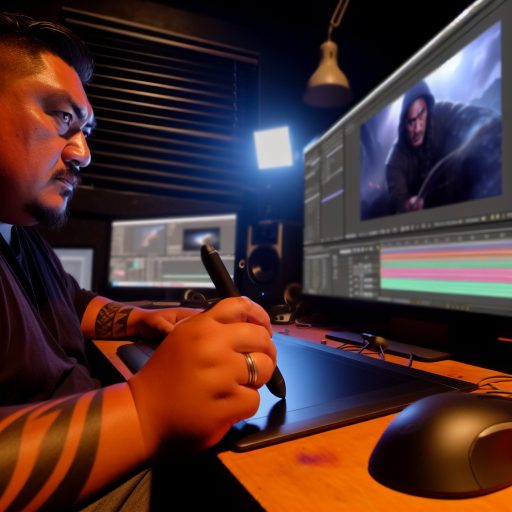




Theatre Professionals in New Zealand’s Performing Arts Scene
Key Roles and Contributions
Theatre professionals shape New Zealand’s vibrant performing arts community.
They include actors, directors, playwrights, designers, and technical experts.
Each role plays an essential part in bringing theatre productions to life.
Actors convey stories and emotions that connect with diverse audiences.
Directors guide the creative vision and unify all elements of a performance.
Playwrights craft unique narratives that reflect New Zealand’s culture and identity.
Designers create sets, costumes, lighting, and sound to enhance storytelling.
Technical experts ensure smooth execution behind the scenes.
Collaboration Among Theatre Professionals
Collaboration drives successful theatre productions across New Zealand.
Professionals work closely to blend their skills and expertise.
For instance, directors coordinate with designers to visualize the atmosphere.
Actors and playwrights often engage in workshops to refine scripts.
Technicians collaborate with performers to manage lighting and sound cues.
Companies like Taki Rua and Circa Theatre exemplify this teamwork.
Their productions highlight how collective effort enriches New Zealand’s arts.
Personalized Career Consulting
Unlock your potential with expert career advice tailored to your goals. Get personalized guidance and actionable steps toward your dream career in New Zealand.
Get StartedSupporting Emerging Talent and Communities
Theatre professionals actively mentor emerging artists and foster new talent.
Institutions such as Toi Whakaari nurture future performers and creatives.
Workshops and festivals provide platforms for artists to develop skills.
These opportunities encourage cultural diversity within the arts scene.
Professionals also engage with Māori and Pasifika communities to showcase unique stories.
This inclusiveness strengthens the national identity through performing arts.
Theatre professionals fuel innovation and cultural expression nationwide.
Contribution of Actors and Actresses to the Vibrancy of NZ Theatre Productions
Bringing Stories to Life
Actors transform written scripts into living, breathing performances.
They immerse themselves in characters to convey authentic emotions.
Consequently, audiences connect deeply with narratives presented on stage.
Performers like Amelia Rangi and Tane Mataira inspire with compelling portrayals.
Their dedication energizes every theatrical production they join.
Enhancing Cultural Representation
New Zealand actors actively celebrate the country’s diverse cultures.
They bring Maori and Pasifika stories to the forefront with pride and respect.
Transform Your Career with a Professional CV and Cover Letter
Stand out to employers with an ATS-optimized resume and tailored cover letter designed to match your dream role. Let us craft your job application materials for success!
Get StartedActors such as Manaia Te Wai create space for indigenous voices in mainstream theatre.
Furthermore, they advocate for greater inclusivity through artistic choices.
These efforts enrich the cultural landscape of New Zealand’s performing arts scene.
Collaborative Creativity and Innovation
Actors collaborate closely with directors, playwrights, and designers to innovate productions.
They offer unique perspectives that shape the development of new works.
Workshops led by Sophie Durant foster experimental theatre forms.
In addition, improvisation skills help performers adapt fluidly to live reactions.
Therefore, actors drive continual creative growth within local theatre companies.
Training and Mentorship
Experienced actors frequently mentor emerging talent nationwide.
They provide guidance on both craft and professional industry practices.
Mentors like Rangi Patel conduct acting masterclasses across Auckland and Wellington.
These initiatives ensure a steady flow of skilled performers for future productions.
Moreover, mentorship strengthens the overall quality and professionalism of theatre communities.
Elevating Performance Standards
Actors constantly refine their skills through rigorous rehearsal and ongoing training.
Boost Your Career with a Standout LinkedIn Profile
Attract recruiters and expand your network with a fully optimized LinkedIn profile tailored to highlight your strengths and professional goals. Let your profile open doors to new opportunities!
Get OptimizedThis commitment raises the standard of live performances throughout New Zealand.
Theatre companies such as Horizon Stage benefit from actors’ high level of professionalism.
Award-winning performers like Elsie Harawira set benchmarks for excellence.
Consequently, their artistry attracts larger and more diverse audiences.
Strengthening Community Connections with Theatre
Actors play a vital role in connecting theatre to local communities.
They participate in outreach programs and community workshops regularly.
The Auckland Theatre Collective engages neighborhoods through interactive events.
Such efforts build stronger relationships between artists and audiences alike.
Ultimately, actors help sustain a vibrant and inclusive performing arts environment in New Zealand.
Role of Directors and Playwrights in Shaping Original New Zealand Stories
Visionary Directors Bringing Stories to Life
Directors play a crucial role in interpreting and realizing New Zealand stories on stage.
They collaborate closely with playwrights to understand the narrative’s core.
Directors guide actors to embody authentic New Zealand characters convincingly.
Through creative staging and innovative techniques, they shape audience experiences.
Consequently, directors amplify cultural nuances unique to Aotearoa’s heritage.
For example, Olivia Maaka, a leading director, highlights Maori culture in contemporary performances.
Playwrights Crafting Original and Diverse Narratives
Playwrights invent original stories that reflect New Zealand’s diverse communities.
They explore themes ranging from historical events to modern social issues.
Furthermore, playwrights such as Arjun Patel spotlight immigrant experiences in New Zealand.
This diversity fosters greater representation and inclusivity in the performing arts.
By writing compelling scripts, playwrights preserve local dialects and storytelling traditions.
Collaborative Efforts Enriching New Zealand Theatre
Directors and playwrights frequently collaborate to ensure authentic storytelling.
They engage in workshops and readings to refine scripts and direction.
Such teamwork leads to productions that resonate deeply with New Zealand audiences.
Additionally, companies like Tane Theatre Company actively support this synergy.
Ultimately, these collaborations fuel the growth and innovation of the performing arts scene.
Learn More: Why Social Media Managers Are Essential in NZ’s Creative Sector
Impact of Set Designers, Costume Designers, and Technical Crew on Production Quality
Role of Set Designers in Shaping Visual Storytelling
Set designers like Amelia Clarke create immersive environments for performances.
They work closely with directors to bring scripts to life visually.
Their designs influence audience perception and emotional engagement significantly.
Moreover, they consider practical needs such as scene transitions and actor movement.
Experienced designers from companies like Stagecraft NZ elevate production value expertly.
Consequently, their creativity and technical skill enrich New Zealand’s performing arts scene.
Contribution of Costume Designers to Character Development
Costume designers such as Mateo Sinclair enhance storytelling through apparel choices.
They research historical and cultural contexts to ensure authenticity and relevance.
Additionally, costumes help actors embody their roles more convincingly on stage.
Designers balance aesthetics with functionality to support performance dynamics.
Collaborating with lighting and set designers, they ensure visual harmony throughout the show.
Thus, their detailed work shapes memorable characters and enriches audience experience.
Influence of Technical Crew on Seamless Production
Technical crew members manage lighting, sound, and special effects during shows.
Leaders like Hamish Rodgers coordinate teams to maintain flawless run times.
Their expertise enhances mood, atmosphere, and clarity of performances.
They troubleshoot issues swiftly to avoid disruptions on live performances.
Working with designers, they translate creative concepts into technical realities.
Therefore, their professionalism upholds high standards and audience satisfaction.
Collaboration Among Theatre Professionals
Successful productions rely on strong collaboration between all creative teams.
Regular communication helps align artistic visions and technical execution.
Integrated teamwork ensures consistent styling, pacing, and overall coherence.
Theatre companies like Harbourfront Playhouse emphasize this collaborative culture.
Ultimately, collective effort raises the quality and reputation of New Zealand’s performing arts.
Uncover the Details: How Animators Are Shaping the Future of NZ’s Entertainment Industry
Involvement of Theatre Educators and Trainers in Developing Local Talent
Supporting Emerging Actors and Creatives
Theatre educators actively mentor aspiring performers across New Zealand.
For example, Emily Turner from Wellington Drama Studio guides young actors.
She offers workshops that build key acting and stagecraft skills.
Additionally, local theatre companies such as Central Stage Theatre collaborate with trainers to nurture talent.
They provide practical experiences through community productions and rehearsals.
Providing Structured Training Programs
Training institutions deliver structured courses in acting, directing, and stage management.
Christchurch School of Performing Arts offers diplomas that prepare students for professional theatre.
These programs successfully combine theoretical studies with hands-on practice.
Consequently, graduates are well-prepared to join New Zealand’s theatre scene.
Furthermore, industry professionals such as Joshua Reid teach specialized classes focusing on voice and movement.
Fostering Industry Connections and Opportunities
Theatre trainers create valuable networks between students and performing arts companies.
For instance, Olivia Harris coordinates internships connecting students to Southern Theatre Company.
This connection provides real-world opportunities for emerging artists.
Likewise, guest lecturers from established companies share insights and career advice.
Therefore, students gain a clearer path toward professional success.
Encouraging Innovation and Cultural Expression
Educators encourage students to explore diverse stories and contemporary themes.
David Ng, a drama tutor in Hamilton, promotes integrating Māori perspectives into performances.
This approach enriches New Zealand’s cultural narrative in theatre.
Moreover, training includes collaborative projects that inspire creativity and experimentation.
These experiences prepare artists to contribute meaningfully to evolving performing arts.
Explore Further: How Freelance Writers Thrive in NZ’s Expanding Digital Media Scene
Collaboration between Theatre Professionals and Indigenous Maori Performing Arts
Fostering Cultural Exchange
Theatre professionals actively engage with Maori artists to share storytelling traditions.
This collaboration enriches New Zealand’s performing arts by blending diverse cultural perspectives.
Moreover, working together promotes respect and deeper understanding of Maori heritage.
Companies like Ngati Kahungunu Theatre Trust exemplify successful partnerships with non-Maori theatre groups.
Consequently, audiences experience innovative performances that celebrate Maori narratives and values.
Supporting Authentic Representation
Theatre practitioners prioritize authentic Maori voices in casting and production roles.
They consult with kaumatua and iwi representatives to ensure cultural protocols are respected.
Additionally, directors such as Rangi Tahu guide productions to reflect genuine Maori worldviews.
This approach strengthens the integrity of Maori stories presented on stage.
It also empowers Maori performers to showcase their talents confidently.
Training and Capacity Building
Theatre companies collaborate with Maori theatre schools to develop skills and leadership.
Workshops led by experts like Hinewai Ngata cultivate traditional performance techniques and contemporary methods.
Furthermore, mentorship programs create pathways for emerging Maori artists into professional theatre.
These initiatives build sustainable careers and broaden representation within the performing arts sector.
Addressing Social Issues through Joint Productions
Collaborative projects often address critical contemporary issues affecting Maori communities.
For instance, productions by Whenua Tahi Theatre and Auckland Theatre Company raise awareness of language revitalization.
Such works combine artistic expression with advocacy, amplifying Maori voices.
Therefore, theatre contributes to important social conversations in Aotearoa New Zealand.
Celebrating Maori Performing Arts Festivals
Theatre professionals participate in festivals like Te Matatini and Kia Mau.
These events showcase kapa haka, waiata, and theatrical performances rooted in Maori culture.
Participation fosters collaboration between Maori and non-Maori artists nationwide.
In addition, festivals strengthen community ties and celebrate cultural identity through performance.
- Promoting cultural pride
- Encouraging artistic innovation
- Enhancing audience engagement
Explore Further: How NZ’s Film Industry Creates Career Opportunities in Visual Effects

Economic and Cultural Significance of Theatre Professionals in New Zealand’s Arts Industry
Driving Economic Growth Through Theatre
Theatre professionals significantly contribute to New Zealand’s economy.
They generate revenue by attracting local and international audiences.
Additionally, theatre companies create numerous employment opportunities.
For example, Wellington’s Circa Theatre employs actors, designers, and technicians year-round.
Furthermore, productions stimulate related sectors such as hospitality and tourism.
Consequently, local businesses benefit from increased visitor spending.
Moreover, government funding often supports theatre projects that boost regional development.
Grants from Creative New Zealand help sustain innovative theatrical work nationwide.
Enriching Cultural Identity and Community Engagement
Theatre professionals play a vital role in preserving New Zealand’s cultural heritage.
They bring Maori stories and Pakeha history vividly to life on stage.
Renowned companies like Taki Rua Theatre highlight bi-cultural narratives in their productions.
Also, theatre fosters community dialogue on social issues and shared values.
For example, local productions often address themes of identity, equity, and belonging.
Consequently, audiences gain empathy and deeper understanding of diverse perspectives.
Theatre practitioners collaborate closely with schools to encourage youth participation in the arts.
Workshops and educational programmes nurture future generations of creative talent.
Innovating New Zealand’s Performing Arts Landscape
Theatre professionals continually push artistic boundaries through experimentation.
They integrate technology, multimedia, and indigenous art forms creatively.
Companies such as Silo Theatre pioneer contemporary narratives that resonate globally.
Moreover, festivals like Auckland Arts Festival provide platforms for emerging artists.
This innovation attracts international attention and opens export opportunities.
It also strengthens New Zealand’s reputation as a vibrant centre for performing arts.
Thus, theatre practitioners are essential to both economic stability and cultural vitality.
Theatre Professionals’ Influence on Fostering Community Engagement and Cultural Identity
Building Stronger Communities Through Theatre
Theatre professionals actively engage local communities through interactive performances.
They collaborate with community groups to create relevant and meaningful productions.
Companies like Tiritiri Theatre Trust host workshops that encourage community participation.
This collaboration strengthens social bonds and fosters a sense of belonging.
Consequently, theatre becomes a platform for dialogue and shared experiences.
Celebrating and Preserving Cultural Identity
Many performers and directors in New Zealand embrace indigenous Maori narratives.
For example, Mana Rangatiratanga Productions incorporates Te Reo Maori and traditions in their shows.
This approach respects and revitalizes cultural heritage on stage.
Furthermore, theatre offers a unique way to explore diverse cultural histories and identities.
As a result, audiences gain deeper insights into New Zealand’s rich cultural tapestry.
Promoting Inclusivity and Diversity
Theatre artists actively work to represent marginalized voices and stories.
Blackbird Performing Arts Collective emphasizes inclusion through diverse casting and storytelling.
They design projects that address social issues impacting various communities.
Thus, theatre fosters empathy and challenges societal stereotypes.
Ultimately, this promotes greater cultural understanding and acceptance nationwide.
Educational Outreach and Youth Engagement
Theatre professionals often partner with schools to inspire the next generation.
Companies like KiwiStage Academy provide drama programs that develop confidence in youth.
These initiatives teach critical thinking, creativity, and teamwork skills.
In addition, youth theatre encourages young people to express their cultural identities.
This engagement helps nurture future leaders in the performing arts sector.
Use of Innovation and Technology by Theatre Professionals to Enhance Performances
Integrating Advanced Lighting and Sound Systems
Theatre professionals in New Zealand actively incorporate advanced lighting technologies.
For instance, WaveLight Studios employs intelligent LED lighting setups to create dynamic stage environments.
This technology allows precise control over color, intensity, and movement of lights.
Moreover, innovative sound systems by companies like Aurora Audio deliver immersive audio experiences.
These systems enhance clarity and spatial effects, heightening audience engagement.
Consequently, performers can convey emotions more powerfully through enriched sensory effects.
Utilising Digital Projection and Multimedia
Digital projection has become crucial in modern New Zealand theatre productions.
Theatre director Zara McKenzie often integrates high-definition projections to supplement set designs.
Projections provide versatile backdrops that transform scenes quickly and creatively.
In addition, multimedia elements such as interactive video content add narrative layers.
This approach allows storytelling to transcend traditional boundaries effectively.
Furthermore, projection mapping techniques enable seamless integration of visuals on irregular surfaces.
Adopting Virtual and Augmented Reality Technologies
Virtual reality offers immersive storytelling opportunities in contemporary theatre projects.
Unfold Theatre Collective experimented with VR to create interactive audience experiences.
Audiences can explore scenes from multiple perspectives, enhancing their emotional connection.
Augmented reality also supplements live performances by overlaying digital elements on stage.
This blend of real and virtual worlds expands creative possibilities for directors and designers.
Thus, technology enriches narratives beyond physical constraints traditionally imposed by theatre.
Developing Innovative Set and Costume Design
Cutting-edge technology revolutionizes set and costume design in New Zealand theatre.
Māori designer Kiri Te Rangi integrates 3D printing to create intricate costume pieces.
This method enables lightweight, customizable, and highly detailed wardrobe elements.
Additionally, laser-cutting technology facilitates precise construction of complex set components.
Designers collaborate closely with technologists to push artistic boundaries continually.
Their combined efforts result in visually compelling and functional stage environments.
Enhancing Collaboration Through Digital Tools
Theatre professionals use digital communication platforms to streamline creative collaboration.
Cloud-based project management tools allow teams to share designs, scripts, and schedules in real time.
Video conferencing supports remote rehearsals and workshops, increasing accessibility for artists nationwide.
By embracing these technologies, companies like Southern Stage Productions improve efficiency significantly.
Ultimately, digital tools foster innovation and adaptability within New Zealand’s performing arts community.
Challenges Faced by Theatre Professionals in New Zealand
Financial Constraints and Funding Limitations
Theatre professionals often struggle with limited funding opportunities.
Many rely on government grants which are highly competitive.
Consequently, securing long-term financial stability proves difficult.
Moreover, fluctuating ticket sales affect regular income streams.
Rising production costs add pressure to already tight budgets.
Geographical Isolation and Market Size
New Zealand’s geographic isolation limits access to international touring.
Smaller population sizes reduce audience numbers and potential revenue.
As a result, reaching larger markets requires extra resources and planning.
Additionally, touring across diverse regions of New Zealand is costly and time-consuming.
Access to Resources and Venues
There is a lack of affordable, quality venues in many regions.
Competition for rehearsal spaces often restricts creative development.
Technical equipment can be limited, affecting production quality.
Furthermore, the availability of specialized training remains inconsistent nationwide.
Strategies for Sustainability among Theatre Professionals
Diversifying Income Sources
Theatre companies increasingly combine ticket sales with merchandise and workshops.
They also seek partnerships with local businesses and educational institutions.
Some professionals embrace digital platforms to reach wider audiences.
Applying for multiple grants reduces dependence on a single funding source.
Additionally, crowdfunding campaigns help finance unique creative projects.
Collaborative Networks and Community Engagement
Artists build strong networks to share resources and expertise effectively.
Collaborations with Maori and Pasifika communities enrich cultural storytelling.
Community outreach programs build loyal audience bases.
Patrons often sustain productions through memberships and donations.
These efforts cultivate long-term relationships in local theatre scenes.
Innovative Production and Touring Models
Theatre groups develop site-specific performances to engage diverse audiences.
Smaller cast productions reduce costs while maintaining artistic quality.
Utilizing pop-up venues expands reach into non-traditional spaces.
Inter-regional tours share expenses and increase exposure.
Moreover, leveraging digital streaming offers new revenue options.
Investment in Professional Development
Theatre professionals prioritize continuous training to improve skillsets.
Workshops led by experts like Hana Tane foster innovation and technique.
Mentorship programs support emerging artists’ career growth.
Access to international festivals builds global networks and experience.
Ultimately, professional growth sustains artistic excellence over time.
Additional Resources
What job do you have with your degree in art history : r/ArtHistory
How did you manage to get into the film industry without attending …